
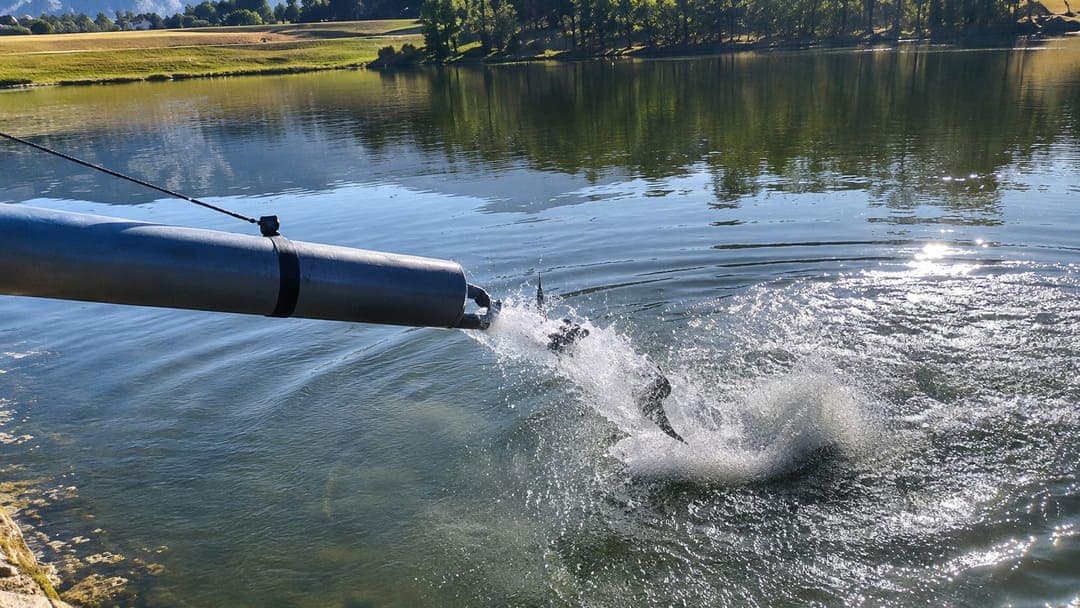

Hesperia channel catfish stocking is not just a weekend feel-good headline for local anglers. When 1,000 pounds of channel cats hit one lake at once, the bite changes fast, the banks get crowded faster, and the anglers who treat it like a tactical window usually leave with the better story.
The May 29 stocking at Hesperia Lake Park gives catfish anglers a clean test of timing, bait discipline, and pressure management, especially with another stocking date listed for June 5. For anyone already thinking about seasonal catfish behavior, bait selection, and pre-spawn feeding windows, this moment also fits naturally beside broader tactical reads like the flathead catfish pre-spawn bite because the lesson is the same: fish are catchable, but only if anglers understand what stage of the bite they are actually fishing.
A Fresh Stock Is Not a Feeding Frenzy Forever
The biggest mistake around a fresh catfish stock is assuming the lake becomes easy for everyone. It does not. A fresh load of channel cats creates opportunity, but it also creates confusion.
Those fish have been moved, handled, transported, dumped, and forced to adjust to a new water body. Some feed quickly. Some roam. Some settle close to structure, shade, or oxygen-friendly water. Others simply cruise until darkness gives them enough comfort to act like catfish again.
That is why the first 24 to 72 hours matter so much. The early wave often rewards anglers who stay mobile, fish simple, and avoid overthinking. After that, the lake begins to sort itself out. Fish spread. Pressure educates them. The easy bank spots get pounded. The bite becomes less about being present and more about being precise.
The official Hesperia Parks & Recreation stocking update gives anglers the key detail: 1,000 pounds of channel catfish went in on May 29, with the next stocking date listed for June 5. That makes this less of a random fishing trip and more of a clock.
Hesperia Channel Catfish Stocking Rewards Anglers Who Move First
A Hesperia channel catfish stocking favors anglers who understand that stocked fish often bite in phases. The first phase is curiosity and adjustment. The second is movement. The third is pressure response.
In plain language, that means the first anglers on the right bank with the right bait may get fast action. But as more lines hit the water, the lake becomes noisier. Bank traffic increases. Baits pile into the same obvious zones. Fish that were willing to cruise open edges may slide into quieter water or feed during lower-light windows.
That does not mean late anglers are out of luck. It means they should stop copying the crowd. If every rod is aimed at the stocking-adjacent shoreline, the better play may be the first nearby depth change, a wind-blown bank, a shaded corner, or a transition where fish can move without being boxed in.
Freshly stocked cats are not always complicated, but they are rarely random. They still respond to comfort, scent, water movement, and pressure.
The First Mistake Is Fishing Where the Truck Stopped
It is tempting to fish the exact area where catfish entered the water. Sometimes that works early. But it can become a trap once the crowd builds.
Channel cats do not need much encouragement to move. After a stock, they may follow shoreline contours, nose into coves, drift along soft-bottom edges, or suspend briefly before settling. Anglers who plant themselves in one crowded spot because “that is where they dumped them” may miss the better bite 50 yards away.
The smarter approach is to think in lanes. Where can those fish travel? Where can they feed without heavy disturbance? Where does scent carry naturally? Where will they feel safer after the first wave of pressure?
At Hesperia Lake, that means paying attention to wind, bank access, shade, and angler density. If the wind is pushing scent and surface activity toward one side, that side deserves attention. If one bank is packed shoulder-to-shoulder, the less glamorous stretch may become more productive after sunset.
The best anglers in a stocking situation are not always using secret bait. They are often the first ones willing to move.
Bait Choice Should Match the Fish’s New Mood
Stocked channel cats are usually bait-friendly, but bait choice still matters. The question is not simply “What do channel cats eat?” The better question is: what bait makes sense for fish that are adjusting, roaming, and being pressured?
Prepared stink bait, chicken liver, shrimp, nightcrawlers, cut bait, and dip bait can all have a place. But each one solves a different problem.
Stink bait and dip bait create a scent field, which helps when fish are cruising but not locked into one spot. Shrimp and chicken liver give off strong appeal but can be soft on the hook. Nightcrawlers are simple, clean, and useful when fish are finicky. Cut bait can draw better-quality fish, especially once the initial stocker rush slows down.
The key is not bringing every bait in the garage. It is bringing two or three options that let you adjust. Start with scent. Add a natural bait. Keep one tougher bait ready if nuisance bites or casting distance become a problem.
Scent beats flash in this situation. Channel cats are built to find food through smell and taste, especially when visibility, pressure, or low light changes the game.
A Simple Lake Plan Beats a Heavy Tackle Box
A stocked-catfish trip does not need to become a gear circus. In fact, too much tackle can slow anglers down when the bite window is short.
A slip sinker rig, a basic leader, sharp hooks, and bait that stays on long enough to work will handle most of the situation. Anglers can get fancy later. During the first few days after a stock, the priority is covering the right water, keeping bait fresh, and detecting soft bites before they turn into missed fish.
The California inland fishing rules and license guidance is also worth checking before any trip, because local facility rules and state fishing requirements can differ depending on the water, access type, and event structure.
Here is a simple way to think about the first week after the stock:
| Situation | Best Tactical Move | Bait/Rig Idea |
|---|---|---|
| First morning after stock | Fish near likely movement lanes, not only the release area | Slip sinker with shrimp or dip bait |
| Heavy bank pressure | Move away from crowds and target quieter edges | Strong-scent bait on bottom |
| Warm afternoon lull | Fish deeper shade or wait for low light | Chicken liver, cut bait, or nightcrawlers |
| Evening bite window | Spread rods across different distances | Slip sinker rigs with fresh bait |
| Fish are pecking but not committing | Shorten leader and downsize bait | Smaller hook with tighter bait presentation |
The table matters because stocked catfish fishing is often won by small decisions. A fresh bait every 20 to 30 minutes can matter more than a more expensive rod. A 20-yard move can matter more than changing brands of dip bait.
Keep the rig simple and spend the real effort reading the water.

The Next Stocking Date Changes the Pressure Game
The June 5 stocking date changes how anglers should think about the lake. This is not a one-and-done situation. It is a rolling pressure cycle.
That means the fish already in the lake may be settling in while another wave is scheduled to arrive. Anglers who fish between stockings may find fish spread out and less crowded by anglers. Anglers who fish immediately after the next stock may get the high-energy crowd and the new-fish window at the same time.
Neither option is automatically better. The right choice depends on temperament.
Want action and do not mind crowds? Fish early after the next stock, bring durable bait, and claim a practical spot before pressure stacks up. Want a cleaner tactical puzzle? Fish the in-between window, move more, and look for cats that have already adjusted to the lake.
That is where many anglers misread stocking news. They treat it as a guarantee. It is not. It is a schedule of opportunity, and opportunity still has to be fished correctly.
Pressure changes everything after the first wave of excitement. The anglers who keep catching are usually the ones who stop fishing yesterday’s pattern.
For Hesperia, the smartest approach is simple: respect the clock, avoid the crowd when it gets lazy, and let bait scent work where catfish actually want to travel. The Hesperia channel catfish stocking matters because it gives anglers a rare tactical advantage before the fish fully spread and the bite becomes harder to decode. The window is open, but it will not stay open for everyone.


