
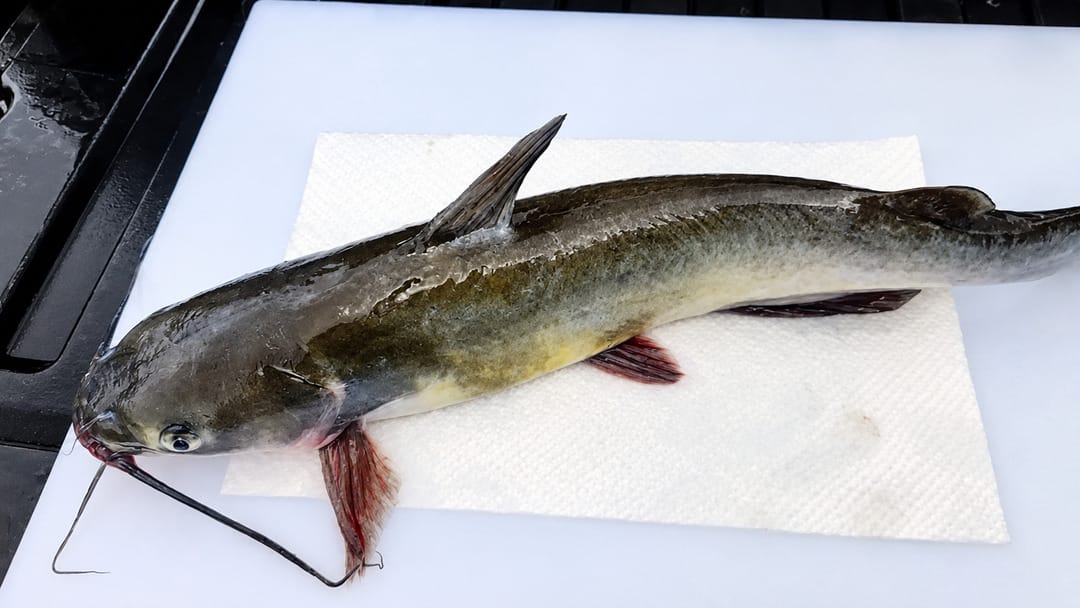

Learning how to keep catfish fresh matters as much as choosing the right bait. A catfish can be caught cleanly, fought well, and still lose texture and flavor if it sits warm, stressed, or poorly iced for too long. The meal starts on the bank, not in the kitchen.
That is why post-catch care deserves the same attention as rigs and locations. Freshness is not only a seafood-counter issue; anglers control it from the moment the fish is landed. The same quality-first thinking behind a good fresh catfish strategy applies after the catch, where temperature, cleanliness, and timing decide how the fillets eat.
Keep Catfish Fresh by Deciding Quickly
The first decision is whether the fish is being released or kept. If it is being released, handle it quickly, keep it out of dirt, and return it to the water with minimal delay. If it is being kept, the priority changes to humane dispatch, clean handling, and fast cooling.
Letting a kept fish flop around in the grass, boat bottom, or hot bucket damages flesh and adds stress. Warm conditions make that worse. A cooler should be ready before the first keeper comes over the bank, not after several fish are already lying around.
A kept fish needs a plan. Freshness starts immediately, and delay is the enemy.
Bleeding Can Improve the Final Fillet
Many anglers bleed fish to reduce blood in the meat and improve the look and taste of fillets. The basic idea is simple: dispatch the fish, cut the gills or throat area carefully, let the fish bleed in clean water or over a controlled area, then move it to ice.
Bleeding is not a substitute for chilling. It is a quality step that works best when followed by fast cooling. A fish that is bled and then left warm can still lose texture quickly. A fish that is iced but never handled cleanly can also suffer.
Use caution with knives, spines, and slippery fish. Catfish can be awkward to hold, and a rushed cut creates risk. The best process is controlled, clean, and prepared before the cooler opens.
Ice Is the Real Flavor Insurance
The most reliable way to protect catfish quality is to chill the fish quickly. Ice slows spoilage, firms the flesh, and buys time until cleaning. Crushed ice is especially useful because it surrounds the fish better than large blocks.
FoodSafety.gov advises keeping seafood cold and placing it on ice or in refrigeration or freezer storage within two hours, or within one hour when exposed to temperatures above 90°F. It also recommends keeping seafood at 40°F or below if it will be used within two days. Those seafood handling rules are especially practical for hot bank trips and summer coolers.
Do not let fish soak in warm meltwater. Drain the cooler when needed, add fresh ice, and keep the lid closed as much as possible. Cold fish cleans better and usually cooks better.
Cleaning Timing Changes Texture
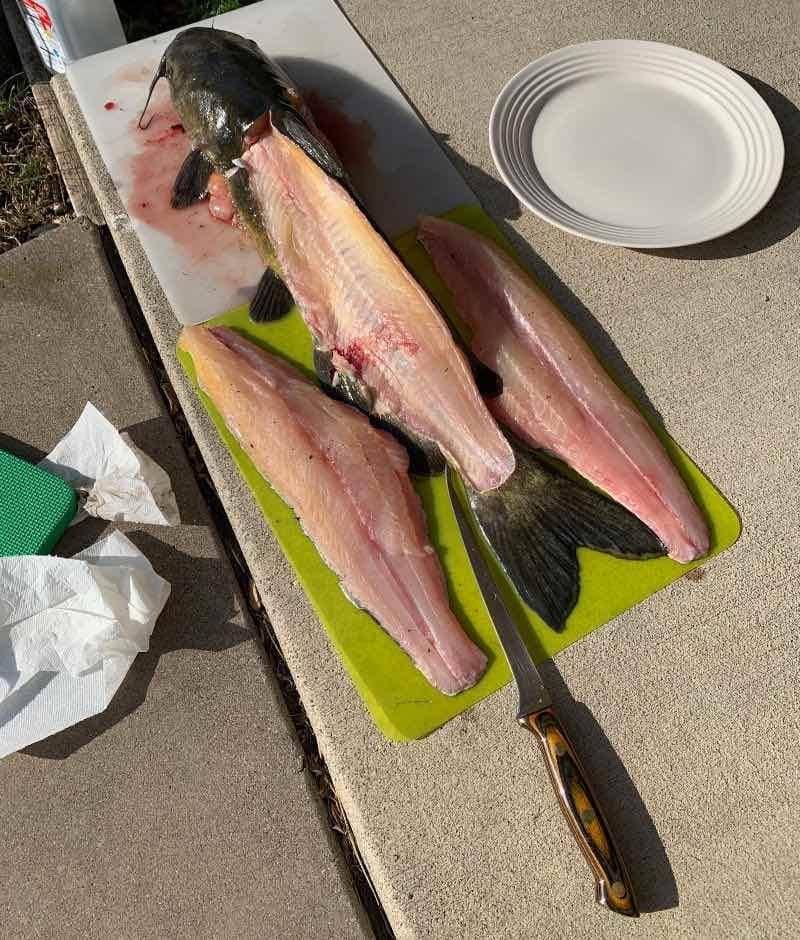
Cleaning too late can allow off-flavors to develop, especially in warm weather. Cleaning too carelessly can leave blood, slime, or debris on the meat. A good cleaning routine keeps tools ready, work surfaces clean, and fillets protected from sun and insects.
Some anglers clean fish at the water where legal and practical. Others ice whole fish and clean at home. The better choice depends on temperature, trip length, local rules, and whether the angler has a clean place to work.
Rinse carefully, but avoid soaking fillets until they lose texture. Pat them dry, bag them cleanly, and keep them cold. If the fillets will not be cooked soon, freeze them in moisture-resistant packaging with as little air exposure as possible.
Cooler Setup Can Save the Whole Trip
A cooler should be treated like part of the tackle system. A poor cooler setup can undo hours of good fishing. Start with enough ice, keep drinks separate from fish when possible, and avoid constant opening.
Use this simple guide to organize the post-catch process.
| Catch-Care Step | Better Habit | Mistake to Avoid |
|---|---|---|
| Landing | Control fish quickly | Letting it flop on hot ground |
| Dispatch | Make a clean decision | Keeping fish stressed too long |
| Bleeding | Bleed before icing when used | Bleeding without chilling afterward |
| Icing | Use plenty of crushed ice | Letting fish sit in warm water |
| Cleaning | Work with clean tools | Delaying in hot weather |
| Storage | Bag cold fillets tightly | Leaving air and moisture exposed |
The cooler does not need to be fancy. It needs enough ice, drainage, clean separation, and discipline. A cheap cooler used correctly beats an expensive one opened every five minutes.
Safe Cooking Is the Last Quality Check
Fresh handling improves flavor, but safety still finishes in the kitchen. USDA food-safety guidance lists fish and shellfish at a safe minimum internal temperature of 145°F. Catfish should be cooked until the flesh is opaque and separates easily, especially when serving family or guests who expect a safe meal from minimum temperature guidance.
This does not mean overcooking the fish. It means using heat carefully, avoiding cross-contamination, and keeping raw fish away from ready-to-eat food. A clean cutting board, washed hands, and cold storage matter as much as seasoning.
The best fried or grilled catfish begins with firm, cold fillets. Seasoning can improve good fish, but it cannot fully rescue fish that was mishandled for hours.
The Next Risk Is Treating Freshness Like an Afterthought
Catfish anglers often spend the most energy on catching the fish and the least on protecting it. That is backwards if the plan is to eat the catch. Heat, stress, dirty surfaces, weak icing, and slow cleaning all work against the final plate.
The pressure point is especially clear during warm Florida trips. A few extra minutes in the sun can matter. So can a cooler that starts with too little ice or a cleaning table that is not ready.
To keep catfish fresh, build the routine before the bite starts: decide quickly, handle cleanly, bleed if that is part of your process, ice hard, clean with care, and cook safely. Better flavor is not an accident after the catch. It is the result of every decision made before the fillet hits the pan.


