

When catfish stop biting, most anglers blame the fish first. The sharper read is usually less dramatic: the bait went stale, the water shifted, the depth changed, or the scent stopped reaching feeding fish. A slow bite is not always a dead trip; often it is a signal that the original plan expired.
That is why movement matters. Catfishing has a patient reputation, but patience without adjustment can waste the best part of the day. The same idea sits behind movement-driven catfishing, where small, deliberate changes replace sitting too long in water that has stopped producing.
Why Catfish Stop Biting After a Good Start
A bite that suddenly fades usually means something changed. The feeding window may have closed, the school may have moved, or the bait may no longer be sending a strong signal. Catfish can keep feeding nearby while one rod spread goes quiet because the angle or depth is no longer right.
Early action can also create false confidence. One quick fish does not prove the spot will produce for hours. It may simply show that a catfish passed through at the right time. If the next 30 to 45 minutes are empty, the pattern needs another look.
The key is not panic. A slow bite gives clues if the angler checks bait, bottom, depth, and water movement before changing everything at once.
Stale Bait Kills the Scent Trail
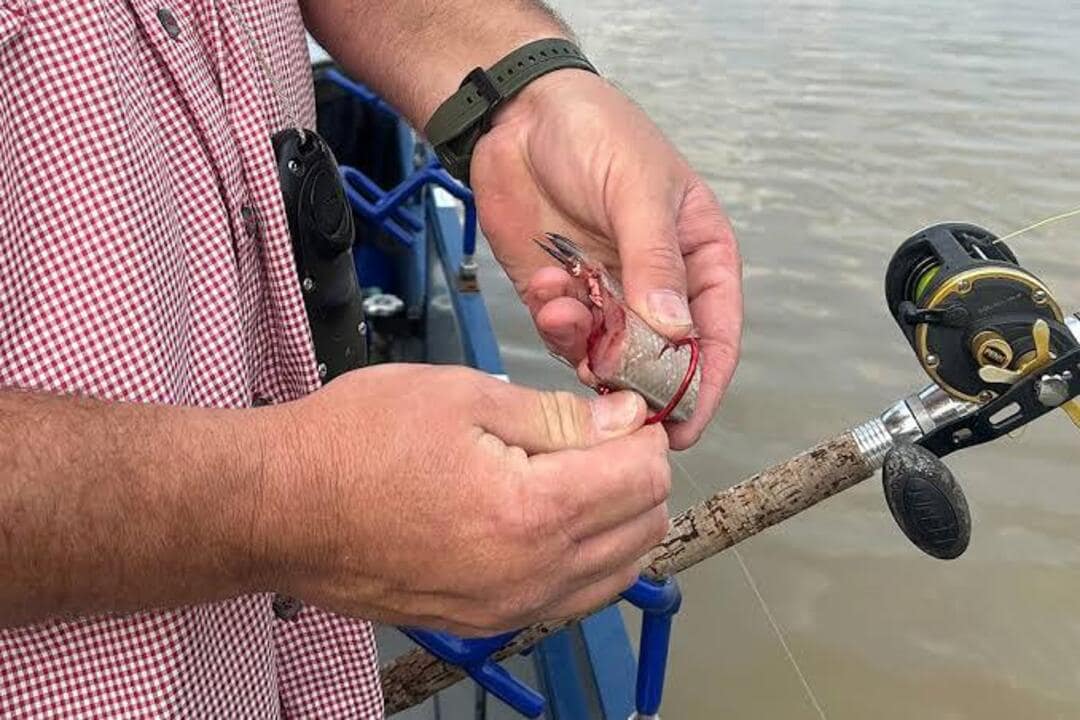
Catfish rely heavily on smell, so bait quality matters long after it lands. A piece of cut bait that has washed out, turned mushy, or lost oil may still be on the hook, but it is no longer doing the same job. Chicken liver, shrimp, worms, and stink bait can also lose effectiveness if they are picked apart or sit too long.
The Florida Fish and Wildlife Conservation Commission notes that catfish use sensory cells in their whiskers to locate food by smell, making strong-odor baits such as chicken liver, shrimp, cut mullet, and commercial stinkbaits useful. That makes fresh bait cycles a practical part of catfish fishing strategy, not a minor detail.
Re-bait before assuming the fish left. If a new bait gets touched quickly, the problem was scent strength. If nothing changes, the issue may be location or depth.
The Wrong Depth Can Turn a Good Bait Invisible
Catfish may feed shallow at night, deeper in bright heat, along edges after rain, or near current breaks when rivers move. If the bait is sitting above, below, or away from that lane, it may not matter how good it smells.
Depth changes should be controlled, not random. Move one rod shallow while keeping another deep. Shift one bait closer to cover and another to the drop-off. If fishing a river, move from hard current to the softer seam. If fishing a pond, test the first break from the bank before launching every bait to the middle.
The mistake is changing all rods at once. That erases useful information. One clean adjustment beats guessing across the whole spread.
Pressure, Noise, and Hook Placement Quiet the Bite
Fishing pressure can shut down easy bites, especially on small waters and popular banks. Repeated casts, loud footsteps, bright lights, and constant bank traffic can push catfish away from shallow feeding lanes. Boat wakes and heavy shoreline disturbance may do the same.
Hook placement is another quiet problem. If baits are too large, buried, or poorly rigged, catfish may mouth the bait without getting hooked. If hooks are too small for thick bait, the point may never clear. If hooks are oversized for cautious fish, the presentation may feel unnatural.
A good fix is simple: trim bait, expose the hook point, check leader condition, and match hook size to bait size. The goal is not a perfect rig. It is a rig that turns a real pickup into a landed fish.
Water Movement Decides When to Move
A spot can die when current slows, runoff fades, wind changes, or water begins falling. In rivers, falling water may pull catfish away from flooded edges and back toward deeper cuts. In lakes, a wind shift may move bait from one shoreline to another. In ponds, a hot afternoon may push fish away from shallow water until dusk.
USGS water data can help anglers understand whether a river is rising, falling, or stabilizing before they waste time fishing yesterday’s pattern. The Water Data for the Nation system gives access to streamflow and other water information that can explain why familiar water feels different.
Use water movement as the decision maker. If scent is not traveling and bait is not active, staying longer may only protect a bad choice.
| Problem Signal | Likely Cause | Fast Adjustment |
|---|---|---|
| Bait returns pale and washed | Scent is gone | Re-bait more often |
| Short taps, no hookup | Bait or hook mismatch | Trim bait and expose point |
| No bites after water falls | Fish left shallow edge | Move toward drop-off |
| Rig keeps rolling | Current too strong | Fish softer seam |
| One rod gets all action | Narrow feeding lane | Shift spread toward that rod |
| Night bite fades at sunrise | Fish moved off bank | Test deeper water |
The table works best when used during the trip, not afterward. A catfish angler should be diagnosing while the rods are still out.
The Next Pressure Point Is Waiting Too Long
The hardest decision is leaving a spot that already produced one fish. That fish can convince an angler to stay through a dead hour. The better habit is to set a limit: one fresh bait cycle, one depth adjustment, and one angle change before moving.
Moving does not always mean packing the truck. It may mean sliding 30 yards to a current seam, shifting to the windblown side, or casting shorter along the bank. Small moves can reset the pattern without starting over.
When catfish stop biting, the answer is rarely one magic bait. The better response is disciplined adjustment: refresh scent, test depth, fix hook exposure, read water movement, and move before the best window disappears. A slow bite is not the end of the trip; it is the moment that separates waiting from fishing.


