
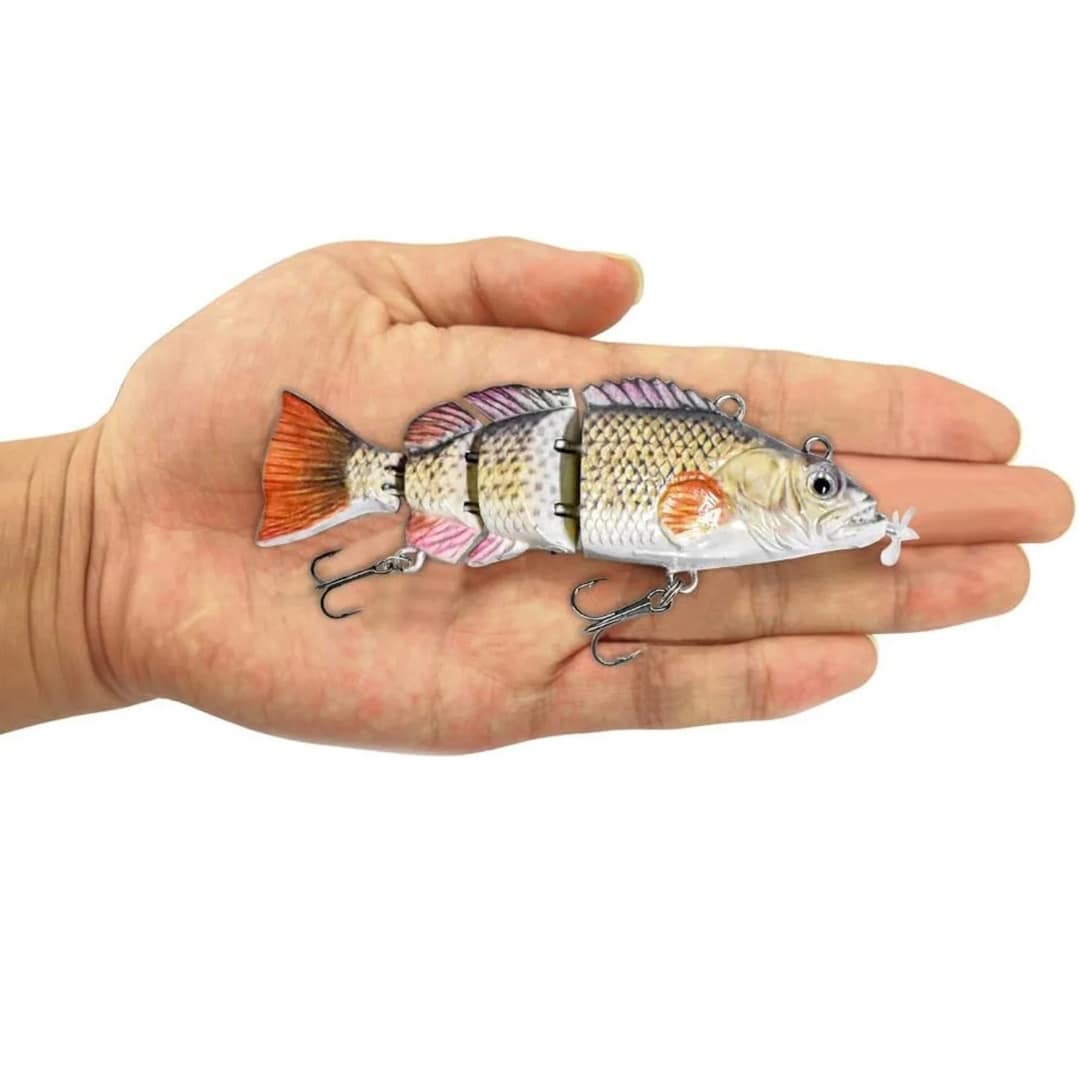

In the rapidly evolving world of fishing, technology has pushed boundaries beyond the traditional rod, reel, and tackle. One of the most debated innovations is the use of electronic lures “smart” fishing baits equipped with lights, vibration, or even programmed movement. As these high-tech baits promise to boost your catch rate and revolutionize your angling experience, the question remains: do electronic fishing lures really work, or are they just a modern gimmick?
What Are Electronic Lures?
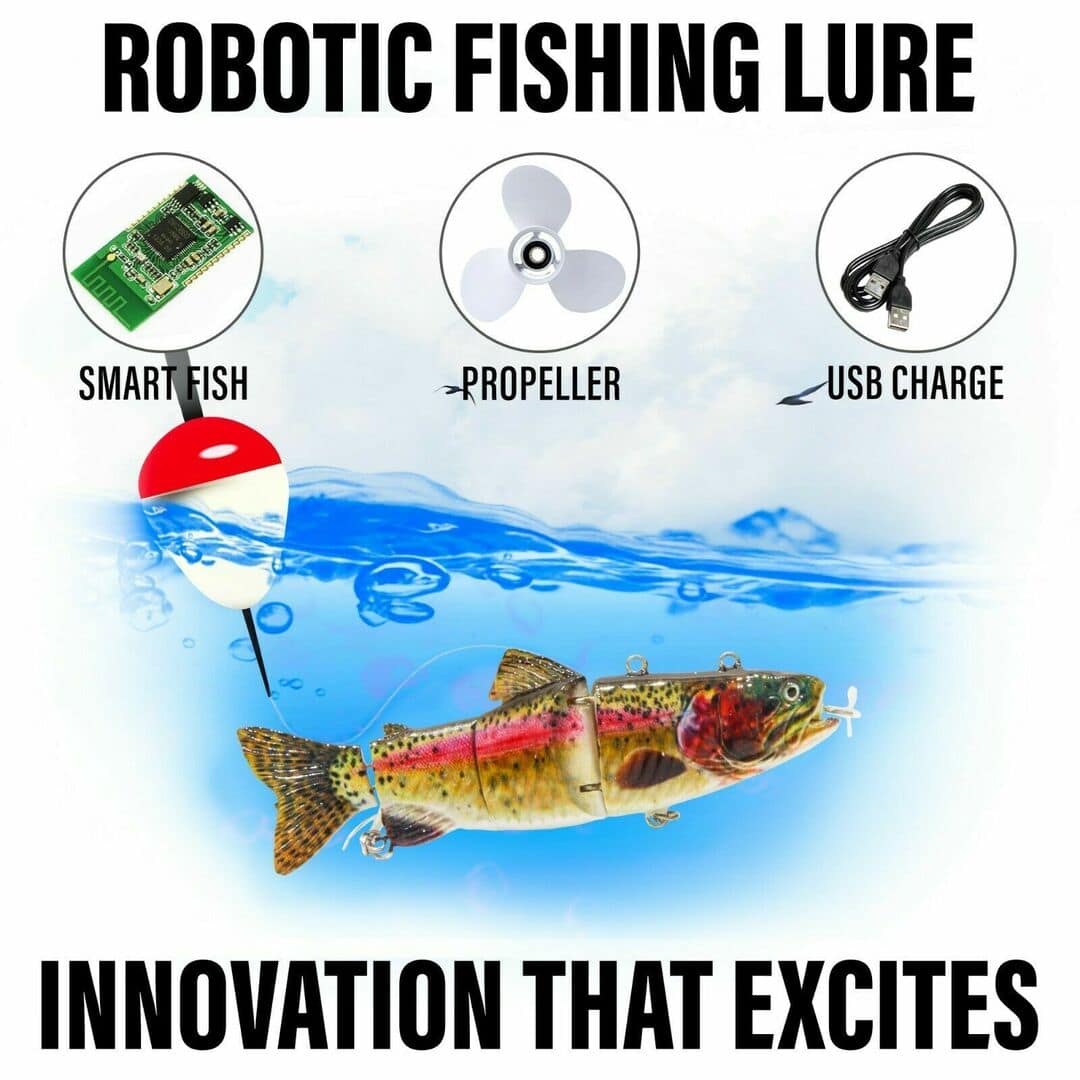
Electronic lures, sometimes called smart fishing baits, are artificial lures embedded with electronic components. These might include LED lights, noise generators, vibration motors, or even microchips that allow the lure to swim in lifelike patterns. The goal? Mimic the sensory cues that naturally attract fish, such as the flash of a baitfish, the sound of distress, or erratic movements.
Today’s fishing market offers a range of these baits, from rechargeable swimbaits that wiggle autonomously to lighted jigs designed for deep-sea fishing. Some promise increased action at depth or in murky waters, while others claim to trigger strikes from otherwise lethargic fish.
How Electronic Lures Claim to Work
The theory behind electronic lures relies on fish behavior and sensory biology. Most game fish use a combination of sight, vibration, and electrical cues to locate prey. By enhancing or mimicking these signals, electronic lures aim to draw attention in ways traditional baits cannot.
Key features may include:
- LED Lights: Flashes to mimic bioluminescent prey, potentially attracting fish in dark or stained water.
- Sound & Vibration: Distress signals or erratic pulses designed to stimulate predatory instincts.
- Programmable Movement: Automated swimming patterns or unpredictable movements to mimic wounded baitfish.
The Evidence: Are Electronic Lures Effective?
So, do these high-tech baits outperform standard tackle? The answer is complicated—and often depends on context.
Scientific Studies and Field Testing
There is limited but growing research into the effectiveness of electronic lures. Some field studies and anecdotal reports suggest increased bites in certain scenarios, particularly in low-visibility conditions or when targeting nocturnal species. However, independent trials often find that results are highly variable, and smart lures are rarely a magic bullet.
For example, a study published by the American Fisheries Society found that while lighted lures did attract more fish to the vicinity, they did not always result in higher catch rates compared to traditional tackle.
Professional anglers also note that while electronic baits can give an edge in specific situations, success is still determined by location, presentation, and fish behavior.
Angler Experience: The Real-World Verdict
The fishing community remains divided. Some anglers swear by smart lures for ice fishing, night fishing, or deep water, citing more strikes and increased curiosity from fish. Others dismiss them as overhyped gadgets that fail to outperform classic jigs, spoons, or soft plastics.
Price and durability are frequent concerns, as electronic lures are often significantly more expensive than traditional baits and may be prone to malfunction in harsh conditions. Making the most of electronic lures can also require recharging or careful maintenance, adding complexity to your tackle management.
Legal and Ethical Considerations
With increased effectiveness or at least novelty comes scrutiny. Some fisheries and tournaments ban or restrict electronic lures, arguing they provide an unfair advantage or disturb the balance of sport. Always check local regulations before using smart fishing baits.
There is also ongoing debate about sportsmanship and the true spirit of angling. Purists assert that skill, patience, and understanding fish behavior are central to fishing’s challenge and reward not reliance on technological shortcuts.
Smart Lures vs. Traditional Baits: Which Should You Choose?
The decision comes down to fishing style, target species, and personal philosophy.
- Smart lures can be an innovative tool, especially in tough conditions or niche situations (like deep, dark waters, or competitive angling where innovation makes a difference).
- Traditional baits remain reliable, cost-effective, and time-tested, often delivering consistent results without dependence on batteries or electronics.
Many experienced anglers suggest using electronic lures as part of a broader tackle selection—experimenting with different options rather than replacing your entire kit.
The Future of Fishing Bait
As technology continues to advance, electronic lures are only likely to become more sophisticated and accessible. Features such as Bluetooth control, data tracking, and AI-driven movements could further blur the line between skill and smart gear.
Whether these advances fundamentally change fishing or simply represent another evolution in the angler’s toolbox remains to be seen. One thing is clear: curiosity about electronic lures, and debate about their true value, is here to stay.


