

The world of striper fishing is always evolving, with new gear, gadgets, and techniques constantly cropping up. Yet for many dedicated anglers, a handful of classic tactics remain unbeatable for hooking the biggest and smartest striped bass. These time-tested methods aren’t just nostalgic they consistently deliver results, season after season. Here’s a look at three old-school striper secrets every serious fisherman should know and why they continue to shine in today’s high-tech world.
The Power of Soft Crab Baits
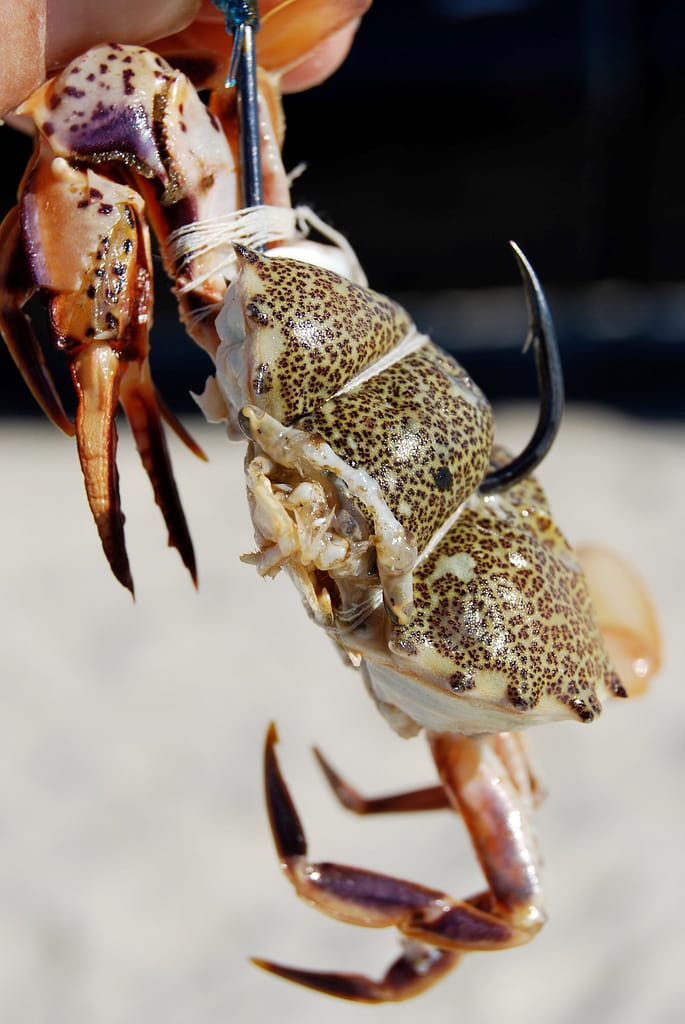
Long before specialty lures filled tackle shop shelves, resourceful anglers relied on native bait found along the coast. Among the most venerable and still highly effective options is the soft crab. Decades ago, many seasoned striper hunters, including my own family, would spend the day before a big tide raking up calico crabs, keeping them fresh in a cigar box layered with moist newspaper.
The secret was (and still is) using a soft-shelled crab the ones that have just molted. Stripers are naturally drawn to these “softies” because they are easy prey and packed with nutrients. The technique is simple: hook a soft crab through the body, sometimes securing it with cotton thread, and let it drift naturally along the current during an outgoing tide.
This traditional approach still works today. Whether you’re fishing from a jetty, battling surf, or casting from a boat, a fresh soft crab presented close to rocky structures or current rips can entice even the most pressured fish. For more about natural baits and modern rigging.
Eel-Skin Plugs: The Magic of Vintage Lures
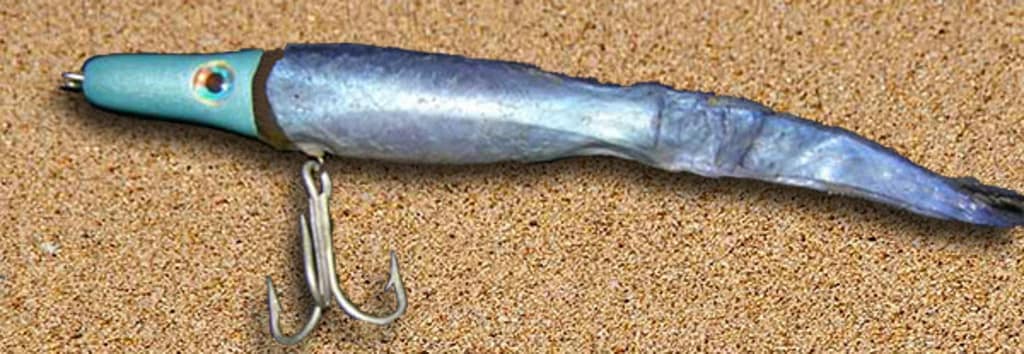
Another legend in the striper scene is the eel-skin plug. Well before plastics and advanced manufacturing existed, crafty anglers would transform simple cedar jigs by stretching a strip of eel skin over them. This made for a lifelike, durable lure with an unbeatable scent and action in the water.
The eel-skin plug shines for its ability to mimic natural prey. The slick, tough hide slides and undulates, creating a subtle action that big stripers find hard to resist especially at night or in murky water when other lures fall short. Even with today’s range of modern baits, there are still dedicated fishermen who’ll go to great lengths to make or acquire these specialty lures.
While eel-skin plugs are less common than they once were, their legacy lives on in contemporary lure designs that emphasize both visual appeal and natural movement. If you’re lucky enough to get your hands on one, try fishing it slow and steady around boulder fields and jetty tips. Classic or not, few presentations are as reliable.
Rigged Eels: The Century-Old Sharpie Secret
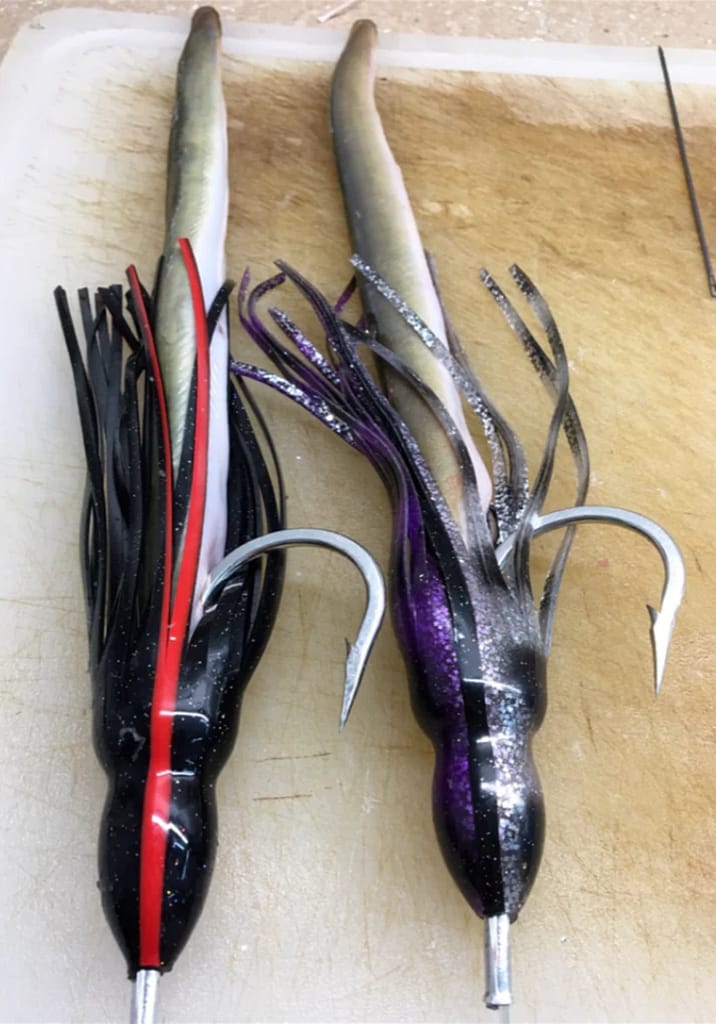
For over a hundred years, top striper anglers or “sharpies” have sworn by the effectiveness of rigged eels. This method involves running a wire through a whole eel and mounting it on a weighted or swimming-head jig, most often tipped with a sturdy Mustad hook. The result is a rugged, lifelike bait that slides through current and structure, tempting even shy bass.
Rigged eels are famous for producing trophy fish, especially after dark or during slow tides when other presentations fail. Their scent, size, and natural swimming action combine to make them irresistible to stripers on the hunt. Customization is part of the appeal; anglers modify weight, length, and hook placement to suit local conditions.
Despite the growing popularity of soft-plastic and synthetic baits, rigged eels still regularly fill coolers and the pages of fishing magazines with monster catches. Their continued success proves that, sometimes, old-fashioned ingenuity trumps the latest technology.
Why Old-School Still Wins
So why do these vintage methods persist, despite all the innovation in tackle and electronics? The answer is simple: they connect directly with striper biology and instinct. Soft crabs are an irresistible seasonal meal; eel-skin plugs replicate favorite forage with lifelike movement and scent; rigged eels offer realism and durability unmatched by artificial lures.
These secrets also carry an added bonus for seasoned anglers they build anticipation, require preparation, and reward careful observation of tides and conditions. The traditions passed from generation to generation ensure that the best strategies never fade away, even as surf-fishing culture shifts.
Using Old-School Techniques Today
Modern tackle can enhance these classic methods. Braided lines provide better feel and casting distance, while improved hooks and weights refine the presentation. But at their core, these three striper secrets remain rooted in careful bait selection, precise rigging, and patient fishing. They’re proof that sometimes, the old ways really are the best ways.
Final Thoughts: Honor the Past, Catch More Fish
While it’s tempting to jump on every new trend, stripers haven’t changed much and neither have their preferences. By keeping these three old-school secrets alive, you can increase your odds of hooking a true trophy and enjoy a richer connection to the sport’s storied past.


