
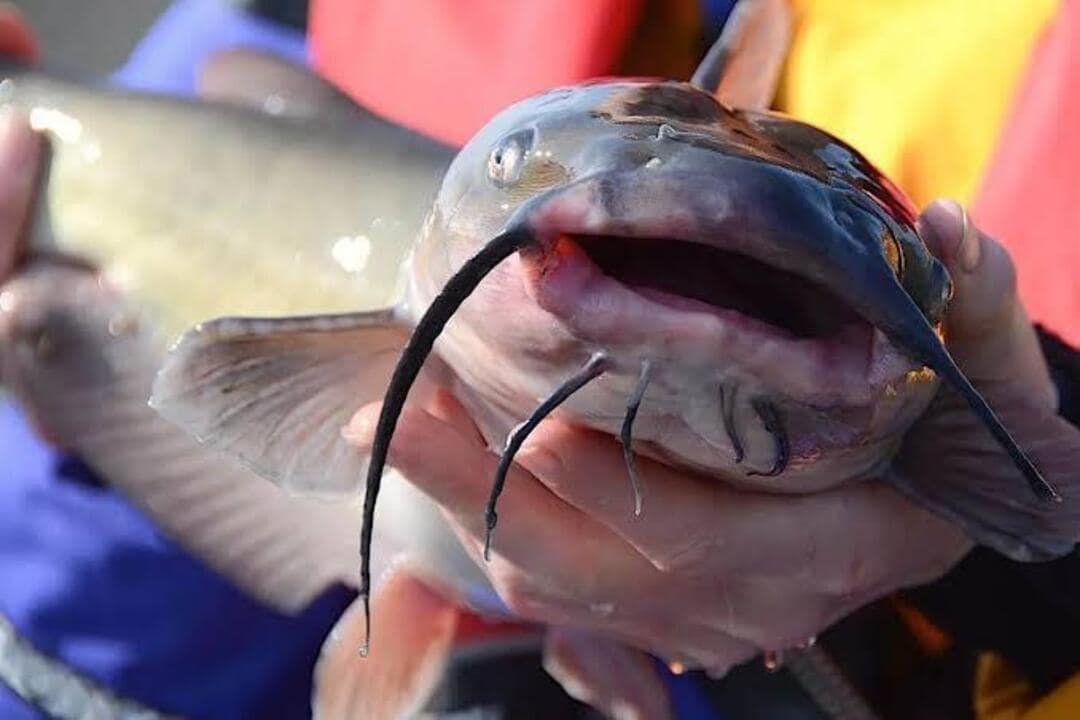

Overlooked catfish spots are often hidden in plain sight: culverts, bridge shade, riprap edges, shallow drains, backwater ditches, and small inflows that do not look dramatic enough to stop a crowd. Many anglers walk past them on the way to deeper water, then wonder why their best bait sits untouched. Catfish do not need a scenic spot; they need food, cover, scent, and a travel lane.
That is why the small stuff deserves more attention. A tiny inflow after rain can outfish a wide empty bank, and a strip of shade under a bridge can hold more life than a featureless shoreline. The same structure-first thinking applies around deep river holes, but overlooked water often gives bank anglers a closer and quieter path to active fish.
Overlooked Catfish Spots Usually Have One Useful Ingredient
The best small spots share a simple trait: they concentrate something. They may concentrate food, current, shade, oxygen, scent, baitfish, or access to deeper water. A culvert does not have to be huge if it pushes food into a pond. A riprap edge does not need to be famous if it holds crawfish, insects, and ambush cover.
Catfish are opportunistic. They use bottom structure, smell, vibration, and current to find meals without wasting energy. Small features become valuable when they make food easier to locate.
The mistake is judging water by size alone. Small water can focus fish better than a broad, empty shoreline.
Culverts and Drains Can Become Feeding Funnels
A culvert is not just a pipe. After rain or during steady flow, it can become a food chute. Worms, insects, small fish, leaves, and organic material wash through, creating a scent trail catfish can follow. Even slow trickles can matter if the rest of the water is still.
The best culvert cast is not always directly into the turbulence. Fish the softer edge where incoming water slows and spreads. Catfish may hold just outside the push, close enough to grab food without sitting in the strongest flow.
Small drains deserve the same look. A ditch mouth with stained water entering clearer water can become a temporary feeding station. If there is a nearby drop-off, log, or shaded bank, the spot gets even better.
Bridge Shade and Riprap Give Catfish More Than Cover
Bridges offer shade, current breaks, hard edges, and vertical structure. Catfish can use pilings, deeper scoured areas, and shaded lanes during bright conditions. At night, the same area may become a travel route where baitfish and insects gather near lights or current.
Riprap adds another layer. Rocks hold small food sources, break current, and create pockets where bait can settle. The Florida Fish and Wildlife Conservation Commission’s Tsala Apopka Chain forecast points anglers toward hard structure such as bridge pilings, sunken logs, rocks, and concrete pieces when targeting catfish with stink baits or cut bait on the bottom around hard structure areas.
A bridge or riprap bank still needs careful fishing. Snags are part of the deal. Shorter casts, stronger line, and a controlled rod angle help keep the bait near the structure without donating every rig.
Shallow Ditches Matter When Water Is Moving
A shallow ditch looks useless when dry, stagnant, or disconnected. But when rain, wind, or rising water gives it flow, it can become a short-term catfish lane. The key is timing.
Catfish may slide into or near shallow ditches when water brings food from flooded grass, roadside edges, or backwater pockets. They may leave just as quickly when the flow stops or water begins falling. That makes ditches more of a window than a permanent home.
A good rule is to fish the mouth first, not the back. The mouth gives catfish access to deeper water and allows scent to spread. If the bite starts there, then test farther inside the ditch or along the stained-water edge. The mouth is the checkpoint.
Small Inflows Can Outperform Famous Banks
A small inflow can beat a popular spot because it changes the water. Fresh movement, cooler water, scent, and food can pull catfish into a tight area. This is especially true when the rest of the pond or lake looks flat and lifeless.
The U.S. Geological Survey’s real-time water tools can help anglers understand whether nearby rivers and streams are rising, falling, or stabilizing before a trip. Checking a local gauge through the water level dashboard can explain why a small inflow is suddenly active or why it has stopped carrying food.
Once at the water, watch for foam, bugs, minnows, bubbles, or color change. A small inflow with no life may not deserve long. A small inflow with activity should get a bait quickly.
| Spot Most Anglers Pass | Why Catfish Use It | Best First Cast |
| Culvert mouth | Food and scent enter in one lane | Soft edge of flow |
| Bridge shade | Cover, depth, and current breaks | Downstream piling edge |
| Riprap bank | Crawfish, insects, broken current | Along rock transition |
| Shallow ditch | Temporary food route after rain | Ditch mouth first |
| Backwater drain | Stained water and scent movement | Color-change seam |
| Small inflow | Fresh water and bait activity | Where flow slows |
The best overlooked spots are not secret because no one can see them. They are secret because most anglers dismiss them too fast.
The Signal to Monitor Is How Long the Spot Stays Alive
Overlooked water is often condition-based. A culvert may be excellent during flow and quiet the next day. Bridge shade may matter most under bright sun. Riprap can improve with wind, current, or night movement. A shallow ditch can go from hot to empty as water falls.
That means the angler should fish these places with a clock. Give the spot enough time for scent to work, but not so much time that it becomes an excuse to sit. If the feature is not moving food, holding bait, or providing cover, leave.
Overlooked catfish spots reward anglers who stop walking past useful water. The opportunity is not in finding prettier banks; it is in recognizing small places where food gets concentrated and catfish can feed efficiently. The next good bite may be under the bridge, beside the pipe, or at the tiny drain everyone else ignored.


