
I’ve spent enough time watching rods sit still to know that in catfish fishing, small adjustments can create massive differences. The first time I switched from a standard bottom rig to a peg float setup, the change wasn’t dramatic it was surgical. My bait wasn’t buried anymore. It hovered, alive with movement, visible in a way that felt intentional rather than hopeful.
That’s the essence of the Peg Float Catfish Rig. It’s not flashy. It doesn’t reinvent fishing. But it quietly fixes one of the biggest problems anglers don’t even realize they have.
What Is the Peg Float Catfish Rig?
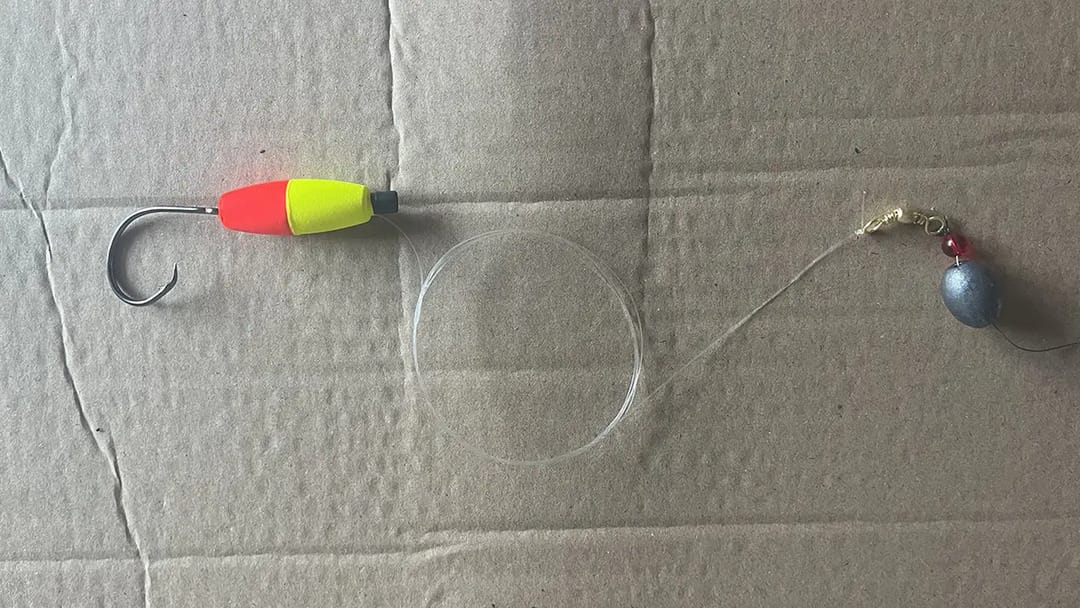
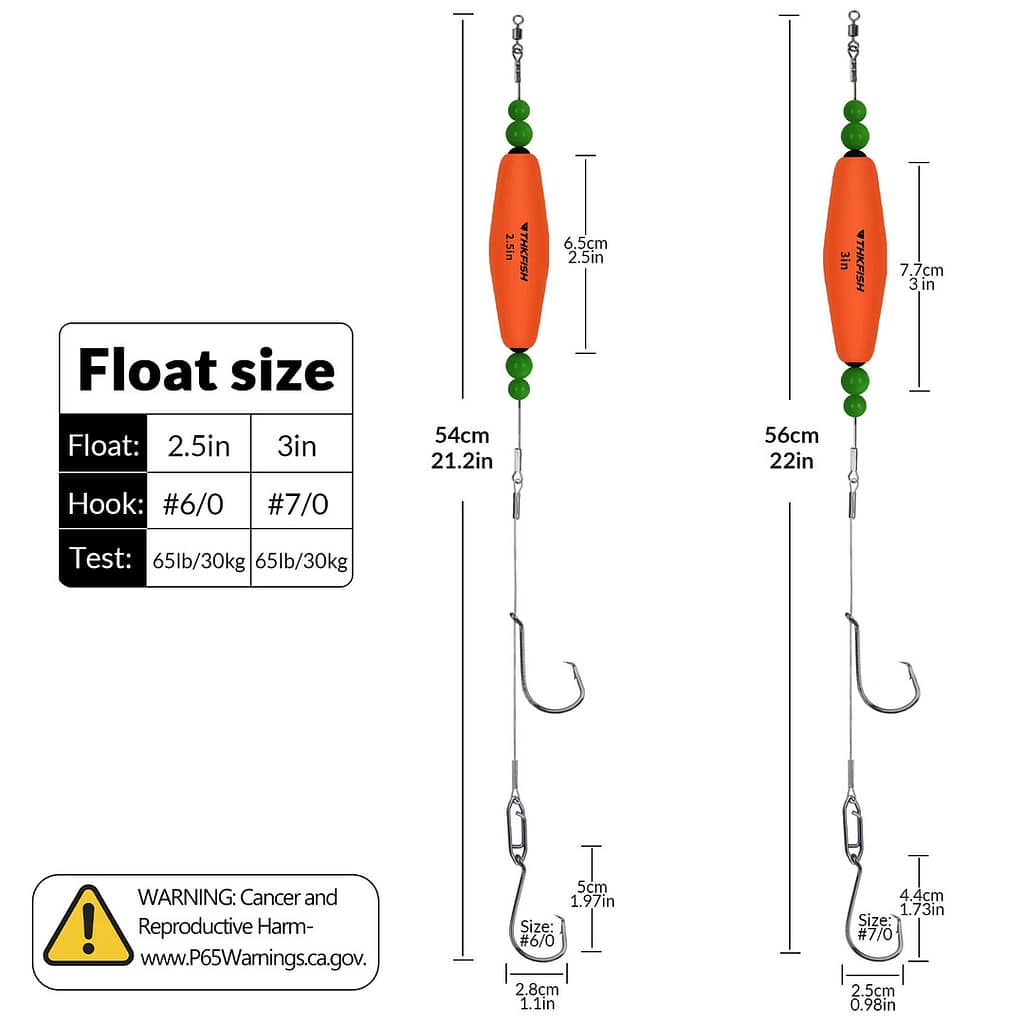
At its core, the peg float rig is an evolution of the classic Santee Cooper setup. The difference lies in control. Instead of a fixed float, you use a movable peg float on the leader, allowing you to fine-tune exactly how your bait sits above the bottom.
The structure remains familiar:
- A slip sinker system anchors the rig
- A swivel connects the main line to the leader
- A leader line carries both the hook and the peg float
What changes is the precision of bait placement. You’re no longer guessing where your bait rests—you’re deciding it.
Why Presentation Matters More Than You Think
Most anglers assume that if bait is in the water, it’s doing its job. But underwater, conditions are rarely ideal. Mud, debris, and uneven bottom structures can bury or obscure bait completely.
The peg float rig addresses this directly by lifting the bait just enough to:
- Avoid sinking into sediment
- Stay within a catfish’s line of sight
- Move naturally with subtle water currents
The result is a presentation that feels intentional rather than accidental.
According to fisheries insights from NOAA Fisheries, bottom composition plays a critical role in how fish detect food sources, especially in low-visibility environments. This reinforces why rigs that elevate bait—even slightly—can significantly improve strike rates.
Peg Float vs Traditional Santee Cooper Rig
The traditional Santee Cooper rig is already effective. But its fixed float design limits adaptability. The peg float version introduces something more valuable: flexibility in real time.
| Feature | Santee Cooper Rig | Peg Float Catfish Rig |
|---|---|---|
| Float Position | Fixed | Adjustable |
| Bait Control | Moderate | High |
| Adaptability | Limited | Excellent |
| Best Use Case | Stable conditions | Changing bottom & depth |
That one difference adjustability turns a good rig into a strategic tool.
When the Peg Float Rig Performs Best
In my experience, the peg float rig excels in situations where traditional setups struggle. It’s not just about catching fish it’s about solving specific problems.
Muddy or Soft Bottoms
When fishing lakes or slow rivers with silt-heavy bottoms, bait often disappears into the substrate. The peg float keeps it suspended just above the mess.
Slightly Suspended Fish
Catfish don’t always hug the bottom. Sometimes they cruise just inches above it. This rig lets you match that zone with precision.
Low Visibility Water
In stained or murky water, visibility becomes everything. A slightly elevated bait increases the chances of detection.
Changing Conditions
Wind, current, or depth changes can shift how your bait behaves. The adjustable float allows you to adapt without rebuilding your entire rig.
How to Set It Up for Maximum Effectiveness
The beauty of the peg float rig is that it builds on what you already know. If you’ve tied a slip sinker rig before, you’re already halfway there.
Start with your main line and slide on a sinker, followed by a bead to protect the knot. Tie this to a swivel, then attach a leader typically between 12 to 24 inches. The peg float is placed directly on the leader, above the hook, and can be moved up or down depending on how high you want your bait to sit. What matters most is balance. Too high, and the bait looks unnatural. Too low, and you lose the advantage.
Bait Selection: Where This Rig Truly Shines
Not all rigs elevate bait effectively but this one does it with purpose. That makes it especially powerful when paired with high-scent, high-attraction options. Cut bait is the obvious choice. It releases oils and scent trails that drift naturally through the water column, and when lifted slightly off the bottom, it becomes even more noticeable.
Live bait also performs well, particularly when targeting larger catfish. The slight elevation allows the bait to move more freely, creating subtle vibrations that attract attention. Even traditional options like chicken liver or prepared stink bait benefit from improved positioning. Instead of sitting in mud, they remain exposed and active.
The Strategic Advantage Most Anglers Miss
The biggest mistake I see anglers make isn’t using the wrong bait it’s ignoring presentation. The peg float rig doesn’t just improve visibility; it introduces intentionality into your setup. You’re no longer reacting to conditions. You’re controlling them.
That’s what separates casual fishing from calculated angling. It’s the difference between hoping a fish finds your bait and making sure it can’t miss it.
Why This Rig Matters Right Now
Spring fishing, especially in early April, is defined by transition. Water temperatures are rising, fish are becoming more active, and feeding patterns are shifting. In this environment, adaptability becomes critical.
The peg float rig aligns perfectly with these conditions. It allows anglers to:
- Adjust to changing fish depth
- Compensate for inconsistent bottom terrain
- Maintain optimal bait presentation throughout the day
It’s not just effective it’s timely.
Final Thoughts: Precision Over Power
The longer I fish, the more I realize that success rarely comes from doing more. It comes from doing things slightly better. The Peg Float Catfish Rig embodies that idea. It doesn’t demand new skills or expensive gear. It simply refines what you’re already doing and gives you control where it matters most right at the bait.
And in a game where inches can mean everything, that control isn’t just helpful. It’s decisive.


