
There’s something almost counterintuitive about one of the most effective methods in modern freshwater angling: success through doing less, not more. In recent seasons, I’ve noticed a growing shift among experienced anglers toward techniques that maximize coverage while minimizing constant effort. One method, in particular, stands out Jug Line Catfish Fishing.
At first glance, it may seem overly simple: floating jugs, baited lines, and patience. But beneath that simplicity lies a strategy that reflects a deeper understanding of catfish behavior, water dynamics, and efficiency. In many ways, jug lining represents a calculated, almost strategic approach to fishing rather than a purely hands-on sport.
What Is Jug Line Catfish Fishing?
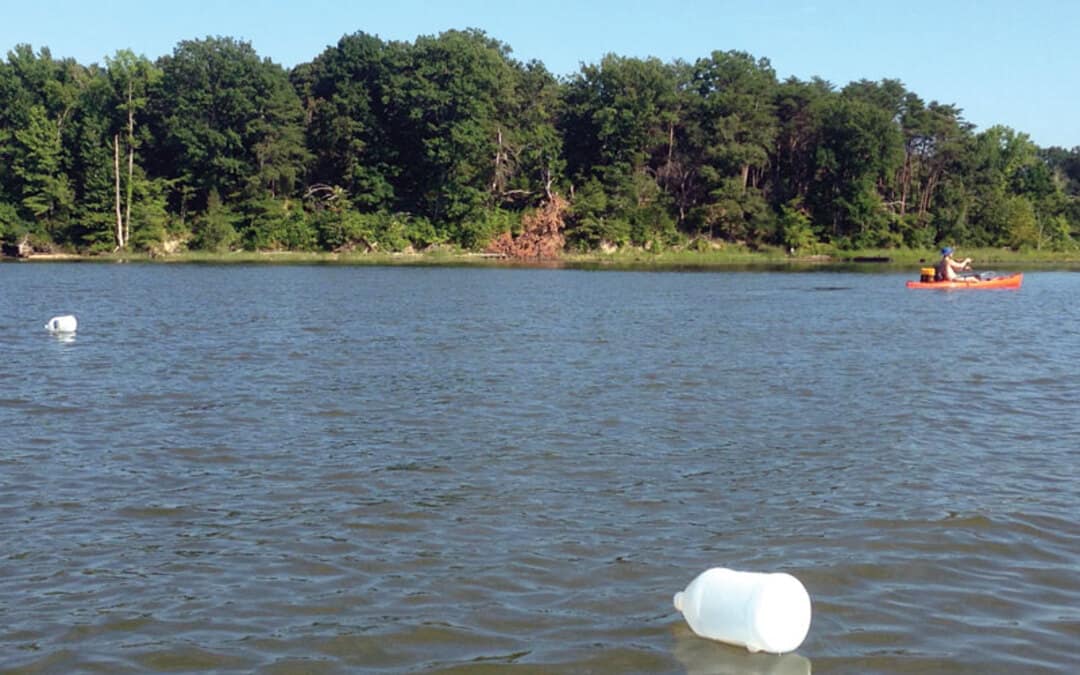
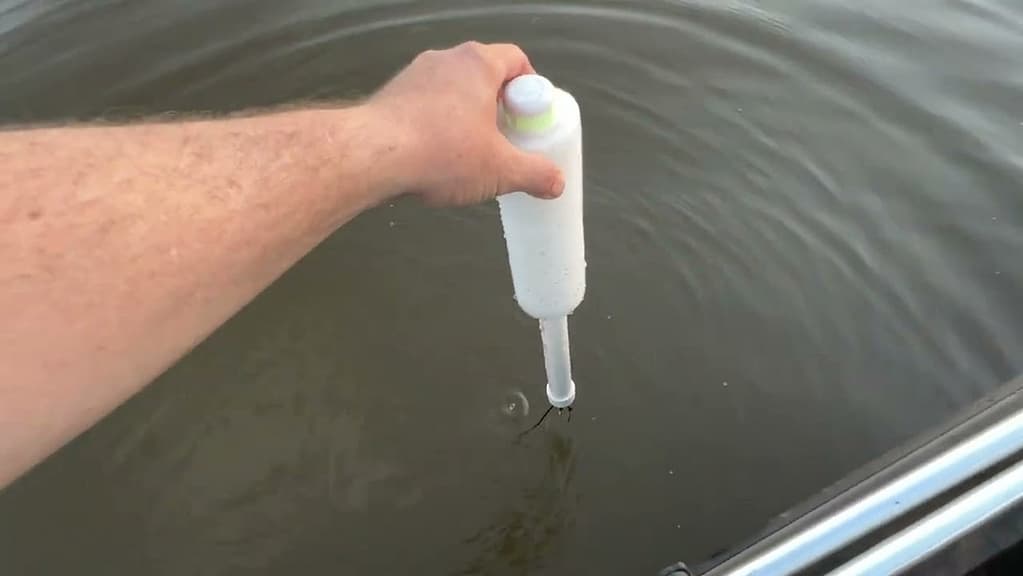
Jug line fishing is a passive fishing method where anglers attach baited lines to floating devices often repurposed plastic jugs and deploy them across a body of water. Each jug acts as both a marker and a strike indicator. When a catfish takes the bait, the jug begins to move, tip, or submerge, signaling activity.
Unlike traditional rod-and-reel setups, this method allows multiple lines to fish simultaneously without continuous monitoring. The result is a system that extends your reach across the water, increasing your chances of encountering active fish.
What makes this method particularly compelling is how well it aligns with catfish feeding patterns. Catfish are opportunistic feeders, often moving through wide areas especially at night in search of scent trails. Jug lines effectively intercept those movements.
Why This Method Works So Well
The effectiveness of jug lining is not accidental. It is rooted in three key advantages that consistently deliver results.
First, jug lines allow anglers to cover a broad area at once. Instead of relying on a single cast or location, you can strategically position multiple baits across different depths and zones. This dramatically increases the probability of finding active fish.
Second, the method thrives in low-light conditions. Catfish rely heavily on their sense of smell, making nighttime one of the most productive periods. Jug lines left overnight operate continuously during these peak feeding hours, giving anglers an edge that traditional methods struggle to match.
Finally, jug lines introduce an element of efficiency. Rather than actively casting and retrieving, anglers can focus on placement and timing. In essence, the system works for you quietly, steadily, and often effectively.
Ideal Environments for Jug Line Success
From my experience, jug lining performs best in still or slow-moving waters, where the jugs can drift naturally without being pulled too aggressively by current. Lakes, reservoirs, and calm river sections are particularly suitable.
What matters most is identifying areas where catfish are likely to travel. These often include transition zones edges between deep and shallow water, submerged structures, or channels where food sources concentrate.
Below is a simplified comparison of ideal environments:
| Water Type | Effectiveness | Key Advantage |
|---|---|---|
| Lakes | High | Stable positioning and wide coverage |
| Reservoirs | High | Depth variation and structure |
| Slow Rivers | Moderate | Natural drift enhances bait movement |
| Fast Rivers | Low | Excessive current disrupts placement |
The takeaway is clear: control and placement matter more than complexity.
Strategy Over Simplicity
While jug line fishing may appear straightforward, success depends heavily on how thoughtfully the system is deployed. Placement, bait selection, and spacing all play critical roles.
Spacing jugs too closely can limit coverage, while placing them too far apart may reduce efficiency in monitoring. Finding the right balance is key. Similarly, varying depth across lines allows you to identify where fish are actively feeding.
Bait choice also remains central. Strong-smelling options such as cut bait or chicken liver create scent trails that attract catfish over distance. In this sense, jug lines function less like static traps and more like active scent distribution systems.
The Legal and Ethical Considerations
Despite its effectiveness, jug line fishing is not universally permitted. Regulations vary widely depending on location, and anglers must ensure compliance before deploying lines.
For example, guidelines provided by the Texas Parks and Wildlife Department outline specific rules on jug line identification, spacing, and monitoring. You can review official rules directly through their website using this authoritative resource on Jug Line Catfish Fishing.
Beyond legality, there is also an ethical dimension. Responsible anglers regularly check their lines, avoid over-deployment, and ensure that captured fish are handled properly. Passive does not mean neglectful; in fact, the method demands a disciplined and attentive approach.
Why Jug Lines Are Gaining Popularity Today
The growing appeal of jug lining reflects broader trends in fishing culture. Anglers are increasingly seeking methods that balance effectiveness with experience. Jug lines offer a unique combination of both. They allow for a more relaxed pace, freeing anglers to observe, analyze, and engage with the environment rather than constantly casting. At the same time, they deliver consistent results especially for those targeting larger catfish.
In an era where efficiency often defines success, jug lining provides a compelling answer. It is not about replacing traditional methods, but about expanding the toolkit available to modern anglers.
The Bottom Line
Jug line catfish fishing is far more than a passive technique it is a strategic system rooted in understanding fish behavior, water conditions, and timing. By covering more water, operating during peak feeding hours, and leveraging scent-driven attraction, it consistently proves its value.
What makes it particularly relevant today is its alignment with how anglers are evolving: more analytical, more efficient, and more intentional. In my experience, the real power of jug lining lies not in its simplicity, but in how effectively that simplicity is applied.
And in a sport often defined by effort, it’s a reminder that sometimes, the smartest approach is to let the water and the fish come to you.


