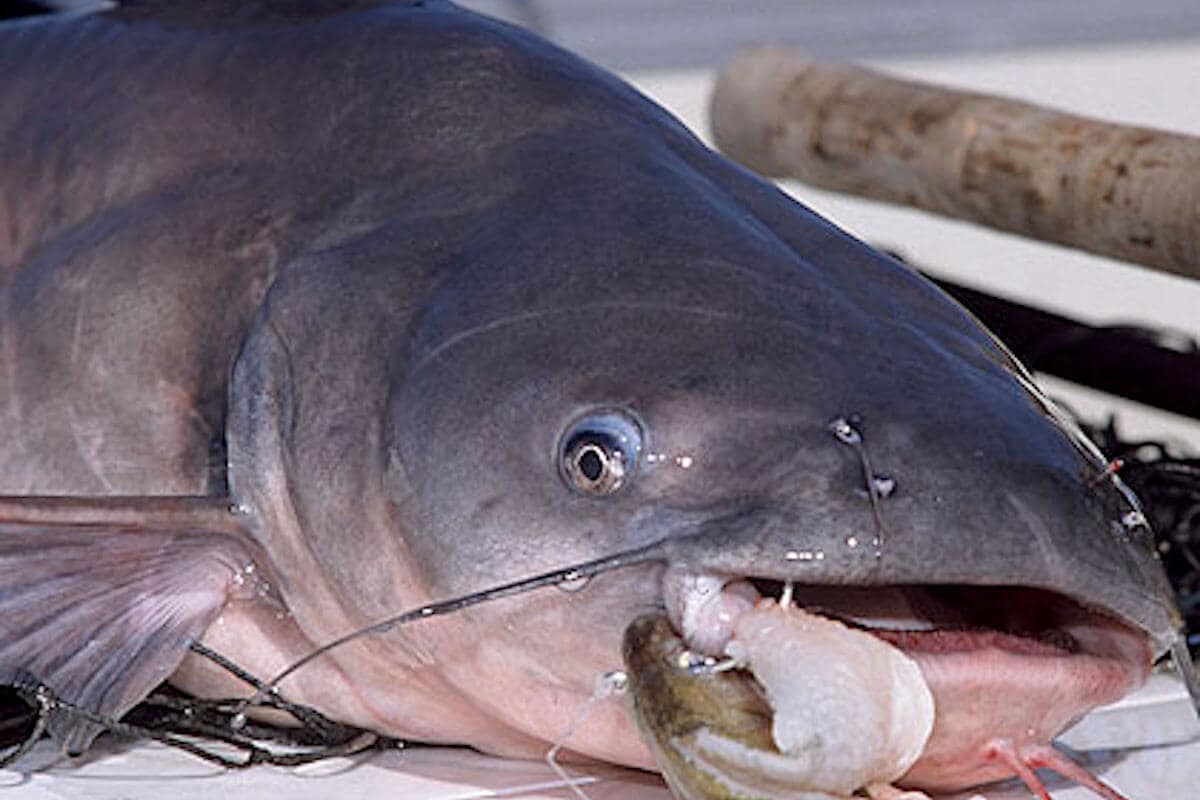

Small bait for catfish sounds wrong to anglers raised on the idea that big bait equals big fish. Large chunks have their place, especially for trophy blue cats and flatheads, but oversized bait can also hide the hook, reduce hookups, and miss fish feeding on smaller forage. Sometimes the smarter move is not a bigger bait; it is a cleaner one.
That does not mean downsizing everything. It means matching bait to mood, pressure, current, forage, and hook exposure. A more complete look at natural bait choices shows how bait type matters, but bait size is often the overlooked detail that decides whether a pickup turns into a fish.
Small Bait for Catfish Solves a Hookup Problem
Big bait creates scent and visibility, but it can also block the hook point. A catfish may mouth the bait, move it, or peck at it without ever finding steel. If the hook is buried in too much meat, the angler may feel action without getting a clean hookup.
Small bait often fixes that. It leaves the hook point exposed, gives the fish less to reject, and lets a circle hook or J-hook do its job. The presentation may look less dramatic, but it can be more efficient.
The key is not tiny bait for every situation. It is bait sized so the hook works. Hook exposure matters more than how impressive the bait looks in the hand.
Pressure Can Make Big Fish Act Smaller
Heavily fished catfish water changes fish behavior. Big catfish do not become smart in a human sense, but they can become more cautious around repeated pressure, bright lights, bank noise, and familiar bait presentations. A giant slab of bait in a pressured spot may be ignored or mouthed without commitment.
A smaller, fresher bait can look more natural and easier to eat. It may also match the forage catfish are already finding: small shad, worms, shrimp, insects, young bream where legal, or broken pieces of washed-in food.
This is especially true on small ponds, urban waters, and popular bank spots. Fish that see the same oversized bait every weekend may respond better to a compact bait with a clean scent trail.
Forage Size Should Decide More Than Ego
The best bait size often matches what the water is already offering. If small baitfish are flickering along the bank, a moderate strip or chunk may outperform a giant head. If rain washed worms and insects into the water, smaller natural bait may fit the moment better than a heavy cut-bait presentation.
FWC notes that channel catfish feed on aquatic insects, crayfish, mollusks, crustaceans, and fish, not just one kind of meal. That varied diet makes flexible bait sizing more practical than one-size-fits-all thinking around channel catfish behavior.
Big bait still has a role when targeting fewer but larger fish, especially where forage is large. But if the bite is soft, missed, or inconsistent, downshifting can reveal whether fish are feeding cautiously rather than refusing to feed at all.
Current and Water Clarity Change the Size Decision
In heavy current, bait needs to stay on the hook and release scent without spinning or tearing apart. A smaller, streamlined bait can hold better than a floppy oversized piece. In slack water, a larger bait may broadcast scent longer, but it can also sit untouched if fish are not actively hunting.
Water clarity matters too. In muddy water, scent becomes the main signal. A smaller bait can still work if it is fresh, oily, or strong-smelling. In clearer water, a cleaner bait profile may seem less suspicious, especially during daylight.
The FWC catfish page emphasizes strong-odor baits and bottom fishing, which fits the practical point: size alone does not create attraction. Scent, placement, and presentation decide whether the bait can be found and eaten in productive catfish waters.
A Smart Bait Spread Tests Size Without Guessing
The best way to settle the bait-size argument is to test it on the water. Run one large bait, one medium bait, and one small bait if rod rules and local conditions allow. Keep the casts in different but logical lanes so the test does not become random.
| Fishing Situation | Better Bait Size | Why It Can Work |
| Soft taps, no hookups | Smaller piece | Exposes hook better |
| Heavy pressure | Smaller natural bait | Feels easier to commit to |
| Strong current | Compact cut bait | Holds shape and position |
| Muddy water | Small but oily bait | Scent still travels |
| Trophy hunting | Larger bait | Screens out some smaller fish |
| Post-rain runoff | Worms or small chunks | Matches washed-in food |
The table shows why bait size is situational. Big bait is a tool, not a law.
The Pressure Point Is Knowing When to Downsize
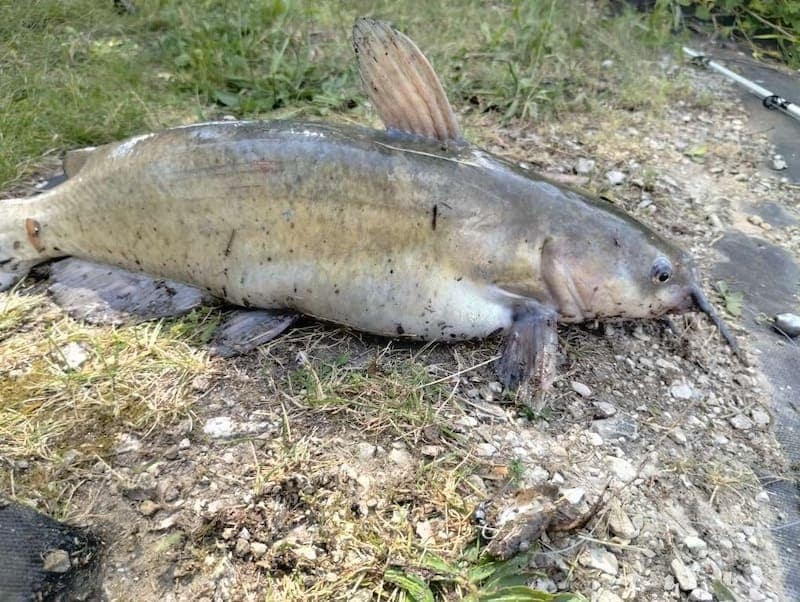
The hardest moment is admitting that a big bait is hurting the trip. Anglers often keep using it because it feels like the trophy choice. But if the rod keeps twitching without hookups, bait comes back chewed, or smaller fish are stealing edges, the bait may be too much for the bite.
Downsize before abandoning the spot. Trim the bait. Expose the hook. Use a fresher piece. Move from a chunk to a strip. If the next pickup becomes a hookup, the fish were giving the answer all along.
Small bait for catfish is not a rejection of big-fish thinking. It is a sharper version of it. The next serious bite may come because the bait was easy to find, easy to eat, and rigged cleanly enough to hook the fish that finally committed.


