
Marshall Hughes gave competitive anglers a sharp lesson in smallmouth bass tactics on August 13, 2026, during Stage 7 of the Bass Pro Tour on Lake Erie. In the final 7 minutes of Period 3, he landed four smallmouth bass totaling 16 pounds, 12 ounces, moving from 14th to 5th and securing both Bass Pro Tour requalification for 2027 and a REDCREST 2027 spot, according to Major League Fishing. That was not magic. That was decision-making under fatigue, weather pressure, and clock pressure.
As an angler who trains like fishing is a field sport, I see Hughes’ comeback as more than a highlight clip. It was a case study in conserving energy, reading fish behavior, choosing the right tool late, and trusting nearby structure instead of burning time on a long run. Smallmouth bass reward speed, accuracy, and calm hands. Hughes showed how all three can work together when the bite window shrinks.
What Hughes’ Erie Rally Teaches
Smallmouth Bass Tactics Under Time Pressure
Pressure makes anglers do strange things. Some run. Some panic-cast. Some switch baits every two minutes like they are flipping TV channels. Hughes did something far better: he stayed in the fight until the evidence changed. At Lake Erie, he faced rough, windy conditions and stayed close to cover around the Bass Islands rather than running long distances to fresh water. That choice mattered because wind and chop do not just affect comfort. They affect casting angles, boat position, fish landing control, and how fast an angler can repeat a productive cast.
These smallmouth bass tactics start with a simple tournament rule: keep your best water fishable. If waves make a long move risky or time-hungry, the athletic play is often to tighten your target zone and fish it better. That means setting your feet, bracing against the deck, controlling rod angle, and making each cast land with purpose. Think of it like a fourth-quarter possession. The athlete who wastes motion usually loses.
Stay Close When Wind Punishes Long Runs
Hughes’ decision to work the Bass Islands area should push anglers to build a wind plan before launch. Pick nearby structure options that can be fished from more than one angle. Identify cover or fish-holding zones where you can still present a crankbait or drop-shot if boat control gets messy. If the lake forces you to fish with a narrower window, your casting lane and boat angle become part of the pattern.
On practice days, I like to mark three versions of the same area: the clean approach, the windy approach, and the emergency approach. The clean approach is what you want. The windy approach is what you will probably get. The emergency approach is the one you can still fish when the trolling motor is working hard and the clock is rude. For more work on stance, balance, and cast placement, this site’s breakdown of casting and positioning fits the same competitive mindset.
Sonar Timing And Bait Changes
Saving Forward-Facing Sonar For The Right Window
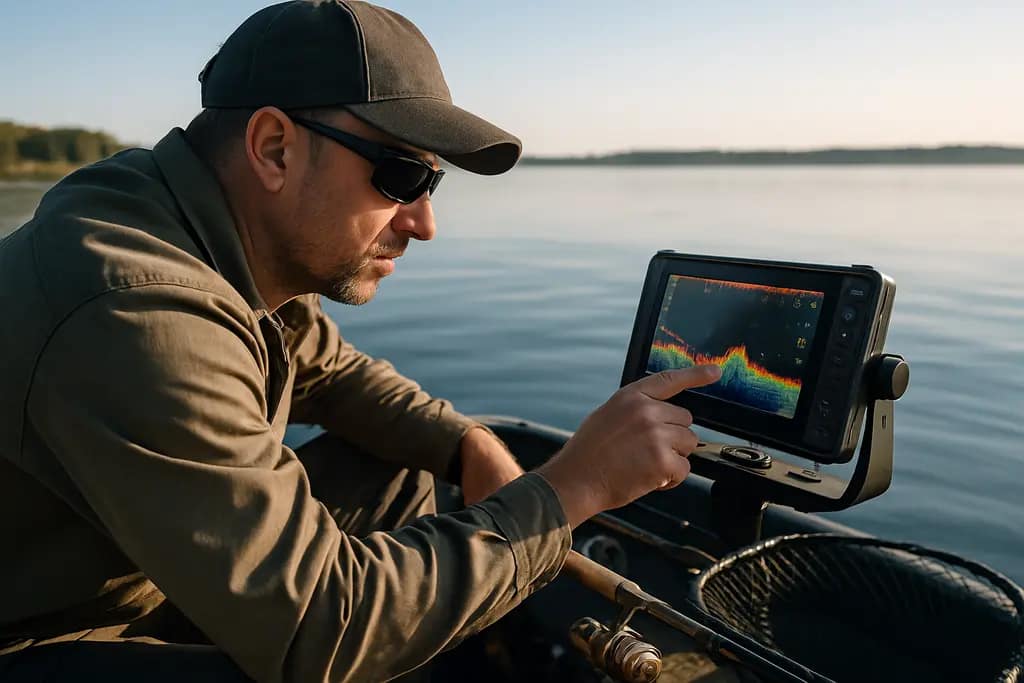
Hughes used forward-facing sonar sparingly at Erie and saved it for the final period. That is the part I want weekend and tournament anglers to study. Electronics are tools, not babysitters. During the comeback, he spotted a chase on his crankbait, switched to a drop-shot, and quickly started landing quality smallmouth. The lesson is not “always stare at the screen.” The lesson is “use the screen when it can answer a specific question.”
In practical terms, ask a clear question before you look: Are fish following but not eating? Are they higher or lower than the lure path? Are they responding to speed but rejecting the bait at the finish? If you cannot name the question, your sonar time can turn into hesitation. Hughes appeared to use his electronics late as a confirmation tool after the crankbait showed him a fish response.
Crankbait Clues To Drop-Shot Decisions
The crankbait-to-drop-shot change was the hinge point. A crankbait can cover water and expose active fish. A drop-shot can slow the moment down and keep a bait in front of fish that have already shown interest. That pairing is a practical one-two punch for smallmouth: show them speed, then offer precision.
Hughes had shown similar opportunistic instincts earlier on May 2, 2026, at Beaver Lake Stage 5. After a bite shut off mid-period, he located a fresh school of smallmouth and caught four bass on two consecutive casts, including one cast where fish were hooked on each treble of the crankbait. That helped him win the Qualifying Round after starting from 17th place, as reported by Hookset. During that event, the research notes state that he watched many fish on forward-facing sonar, especially with jerkbaits for fish higher in the water column, and used color and retrieve style to trigger active feeders in murky water.
That gives us a training point: carry baits that answer different fish moods. The crankbait finds and fires. The jerkbait can hang around fish higher in the water. The drop-shot can clean up when a fish follows but will not commit. Soft-plastic worms, including drop-shot and weightless Senko presentations, also appeared in Hughes’ August 17, 2026 Team Series win with Mark Davis, based on the research notes. The pattern across events is flexibility, not lure loyalty.
Build The Fitness To Fish This Way
Grip, Drag, And Boat-Side Control
Hughes’ Erie tackle note should wake up anyone who treats landing fish as an afterthought. He used a spinning rod with 15-pound leader line, cranked down drag, and relied on strength to control multiple 4-pound-class fish through wind and chop. That does not mean every angler should copy the drag setting in every situation. It means you need to understand your line, rod, drag, and body position before a good fish eats.
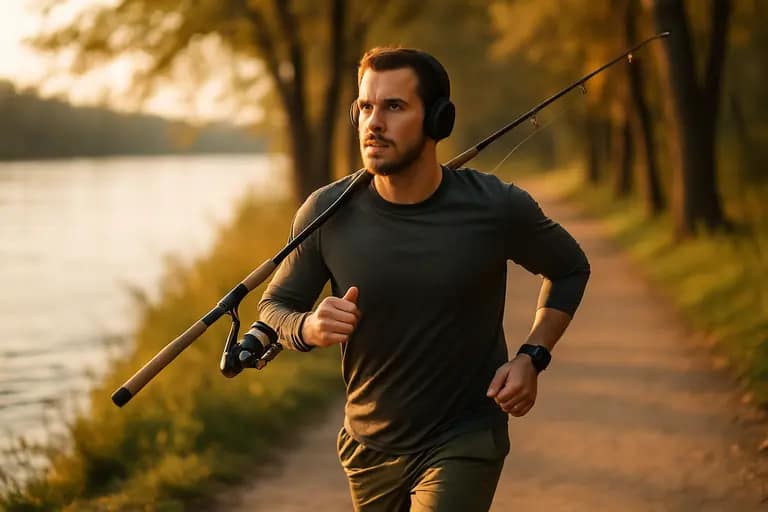
Here is the fitness crossover: boat-side smallmouth control is grip endurance, hip stability, and calm breathing. If your hands are cooked after two hours of casting, your hookset gets sloppy. If your stance collapses in chop, your rod angle gets lazy. If your breathing spikes, you rush the net job. Train those pieces before the tournament day.
- Grip intervals: Use farmer carries or towel hangs in short sets to build hand endurance for spinning tackle and hard-pulling fish.
- Rotational control: Add cable chops or band rotations so your torso can brace while your hands stay precise.
- Deck stance practice: Cast from an athletic stance with knees soft, hips loaded, and eyes level, especially in windy practice sessions.
- Landing rehearsals: Practice rod angle changes with a partner pulling steady pressure on the line, using safe drag settings and no hooks.
Practice Reads Without Electronics
The research notes also point to a broader 2026 Bass Pro Tour adjustment: forward-facing or 360-degree sonar was limited to one 2½-hour FFS period per tournament day. Hughes’ Erie rally fit that environment because he could fish before and after electronics mattered. Competitive anglers should train the same way.
Run half your practice without looking at live sonar. Use wind, bait contact, water color, fish follows, and missed strikes as feedback. Then use electronics in a short window to test what your eyes and hands already suspected. That split builds confidence. It also keeps your casting rhythm alive instead of turning you into a passenger on your own front deck.
For smallmouth bass tactics, the no-electronics block should include three checks. First, track where the bait gets followed or bumped. Second, note whether fish react better to speed, pause, or bottom contact. Third, log whether wind improves or hurts the bite on a specific side of structure. Those notes tell you what to do when the screen is off or when conditions make screen-watching awkward.
Smallmouth Bass Tactics From Hughes
The Hughes comeback was dramatic, but the useful lesson is repeatable: fish the best available water, let one bait reveal fish behavior, then switch with purpose. At Erie, the crankbait showed a chase and the drop-shot finished the job. At Beaver Lake, schooling fish and crankbait efficiency created a quick swing. Across both events, sonar helped, but timing and decision-making carried the weight.
If you want to apply smallmouth bass tactics from Hughes’ run, build a simple tournament practice plan. Start with nearby structure that holds up in wind. Use moving baits to find followers and active schools. Keep a drop-shot ready for fish that expose themselves but hesitate. Practice with and without sonar so your instincts stay sharp. Then train your body to land fish in rough water, because a late-period bite is only valuable if you can put the bass on the scale.
That is the athletic side of fishing I love: strong legs, quiet hands, sharp eyes, and no wasted motion. Hughes did not need a perfect day on August 13, 2026. He needed a clear read, a smart bait change, and the strength to finish. That is a blueprint any serious smallmouth angler can take to the next practice day.


