
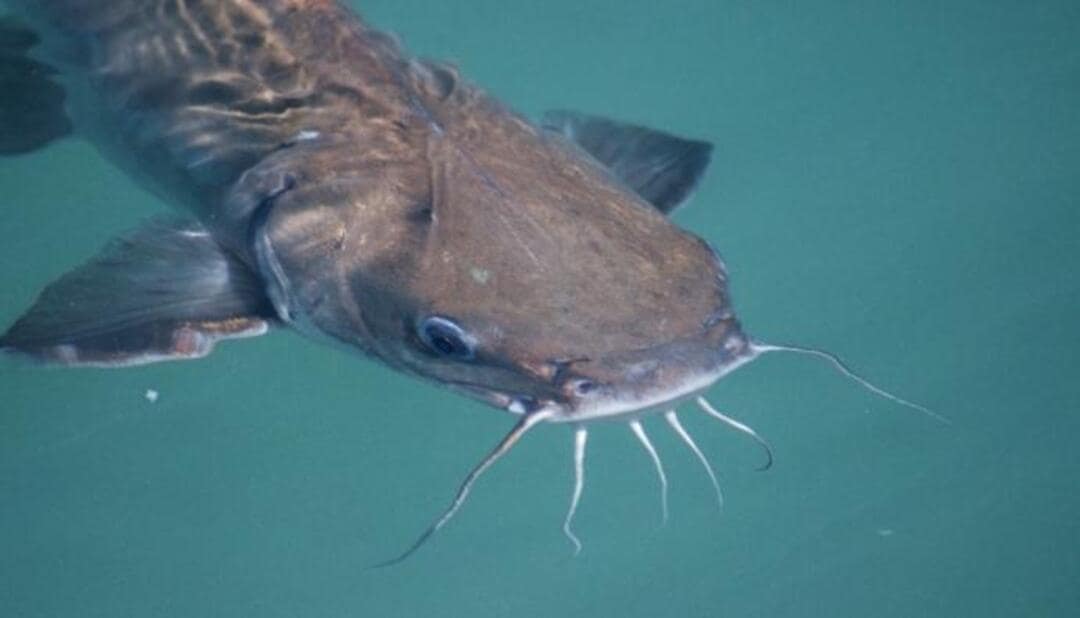

I’ve spent countless hours chasing catfish across rivers and lakes, and if there’s one lesson that keeps proving itself over time, it’s this: success doesn’t come from staying in one spot it comes from understanding movement. Today, more than ever, the anglers who are catching consistently are the ones paying attention to a subtle but powerful factor water temperature shifts.
The concept behind the best Catfish Fishing Tips Today isn’t complicated, but it’s often overlooked. Catfish don’t randomly roam. Their behavior is closely tied to environmental changes, and temperature plays a major role in where they feed, when they move, and how aggressive they become.
Why Temperature Matters More Than Location
For years, many anglers including myself early on focused heavily on “hot spots.” Deep holes, river bends, and structure zones were always the go-to areas. While those locations still matter, I’ve learned that conditions can outweigh location on any given day.
Catfish are cold-blooded, which means their activity levels are directly influenced by water temperature. Even a small increase of two to three degrees can trigger feeding behavior. That slight warming often pushes catfish into shallower areas where food is more accessible.
What this means in practical terms is simple: the best fishing spot today may not be the same as yesterday’s. The real advantage comes from identifying where the water is warming fastest and positioning yourself accordingly.
Understanding Catfish Movement in Changing Conditions
As water temperatures fluctuate throughout the day, catfish adjust their position. In the morning, they may hold deeper, conserving energy in cooler water. But as the sun rises and warms shallow areas, they begin to move.
This movement is not random it’s strategic. Catfish follow food sources, and those food sources are also influenced by temperature. Baitfish, insects, and other prey become more active in warmer water, creating feeding opportunities.
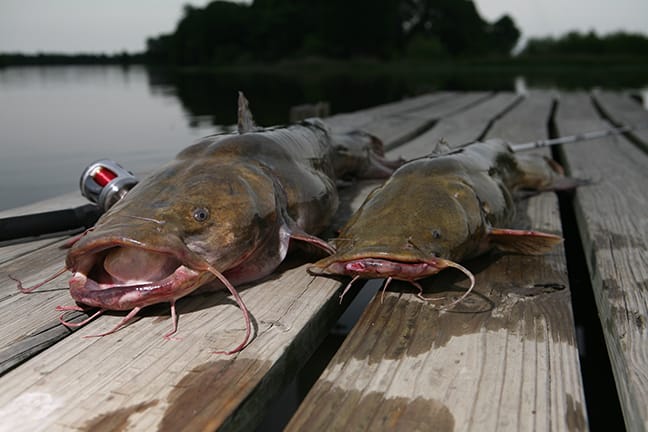
Typical Daily Movement Pattern
| Time of Day | Catfish Behavior | Best Area to Target |
|---|---|---|
| Morning | Slower, less active | Deeper holes and channels |
| Afternoon | Increasing activity | Transition zones (mid-depth) |
| Evening/Night | Peak feeding | Shallow flats and banks |
From my experience, the late afternoon into evening window is often the most productive. That’s when temperature differences are most noticeable, and catfish take advantage of feeding opportunities in warmer, shallower zones.
Where to Find Warmer Water Today
If I’m heading out to fish today, I’m not just scanning for structure I’m actively searching for temperature advantages. Certain areas naturally warm faster and attract feeding catfish. Sun-exposed banks are a prime example. These areas receive direct sunlight throughout the day, causing the water temperature to rise slightly faster than shaded regions. Similarly, shallow flats absorb heat more quickly than deeper sections, creating ideal feeding grounds.
Another key area I focus on is current breaks near inflows, such as small creeks or runoff points. These spots often introduce slightly warmer water into the system, drawing both baitfish and catfish. The key insight here is that temperature creates opportunity zones, and those zones shift throughout the day.
Adapting Your Strategy in Real Time
One of the biggest mistakes I see anglers make is staying committed to a single spot for too long. Catfish fishing rewards patience, but it also demands awareness.
When I approach a new location, I treat it as a starting point not a guarantee. I’ll fish an area thoroughly, but if I don’t see signs of activity within 20 to 30 minutes, I move. The goal is to intercept fish where they are actively feeding, not where they might pass through later. This approach turns fishing into a dynamic process rather than a waiting game. Instead of hoping fish come to you, you’re positioning yourself where conditions are already working in your favor.
Why This Strategy Outperforms Traditional Approaches
Traditional catfish tactics often emphasize consistency finding a proven spot and sticking with it. While that approach can work under stable conditions, it becomes less effective when environmental factors are shifting.
By contrast, focusing on temperature gives you a real-time advantage. You’re not relying on past success; you’re responding to present conditions. This is especially important during seasonal transitions, when fish behavior can change rapidly.
According to U.S. Geological Survey, water temperature is one of the most influential factors affecting fish distribution and activity levels, reinforcing why the Catfish Fishing Tips Today approach centered on temperature awareness is so effective.
The Subtle Difference Between Average and Consistent Success
What separates average anglers from consistently successful ones often comes down to adaptability. It’s not about having the most expensive gear or the most complex setup it’s about making better decisions in real time.
I’ve found that when I prioritize temperature shifts, I spend less time guessing and more time catching. It simplifies the process. Instead of overthinking bait changes or rig adjustments, I focus on where the fish are most likely to be active. That shift in mindset from static fishing to dynamic positioning can completely transform your results.
Fish the Conditions, Not Just the Water
At the end of the day, the most valuable takeaway from these Catfish Fishing Tips Today is this: conditions drive behavior. Understanding how temperature influences catfish movement allows you to fish smarter, not harder.
By targeting warmer areas, adjusting your location throughout the day, and staying responsive to environmental changes, you put yourself in the best possible position to succeed. It’s a strategy built on observation, awareness, and adaptability.
From my perspective, that’s what modern fishing is all about. The anglers who win today aren’t just casting lines they’re reading the water, interpreting the signals, and making decisions that align with how fish actually behave. And when you start doing that, the results speak for themselves.


