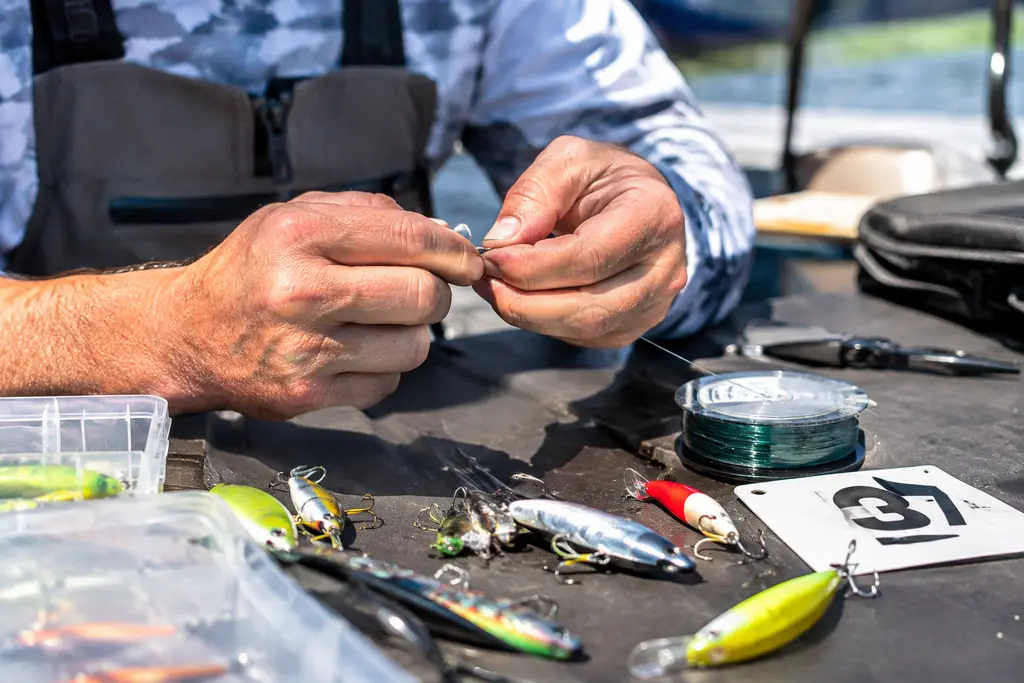
Tournament regulations did not get a new bag limit, season date, or weigh-in rule the moment Executive Order 14430 was signed on September 17, 2026. The order, titled Restoring American Saltwater Angling and Recreation, was published on September 22, 2026, in the Federal Register notice. As of October 24, 2026, the smart move for captains, crews, tournament directors, and weekend competitors is practical: keep fishing by the rules in force, but start building a cleaner paper trail for permits, catch reports, depredation events, and event planning.
I like policy talk about as much as I like a wind knot in braid, but this one matters because tournament fishing is part of a much larger outdoor recreation economy. The White House said outdoor recreation generates more than US $1.2 trillion annually and supports more than 5 million jobs, with recreational fishing included as a major part of that activity White House order. That puts saltwater tournaments, for-hire boats, tackle shops, marinas, and shoreside support businesses closer to the policy conversation than many anglers are used to seeing.
Tournament Regulations After EO 14430
Tournament Regulations Do Not Change Overnight
The first thing to tell your crew is simple: do not fish from a rumor. The order directed agencies to review, suspend, revise, or rescind rules judged to overly burden boaters, anglers, and outdoor businesses, but it did not itself rewrite specific seasons, bag limits, size limits, or individual tournament rule sheets. If your event’s rules say fish must be measured a certain way, photographed against a board, released alive, or checked at a set location, keep following those rules until the tournament operator or the relevant agency posts a formal update.
For anglers, the tactical adjustment is not dramatic. It is disciplined. Print or save the active federal, state, and event rules before leaving the dock. Make a folder on your phone for the permit, event rules, species limits, captain’s meeting notes, and emergency contacts. If the signal drops offshore, your “I thought it changed” argument will have the fighting power of a wet paper bag.
What The Signed Order Did Start
The order started several agency timelines. The 30-day agency start point from September 17, 2026, fell on October 17, 2026. That deadline matters for policy work, but anglers should not treat it as a new fishing allowance. The 60-day mark falls on November 16, 2026, and includes review of permitting authorities for a shift toward multi-year permits of at least three years, with a standard presumption of renewal for permittees in good standing. For tournament operators, that could make event planning less jumpy if later agency action follows through.
The 90-day mark falls on December 16, 2026, for NOAA and Commerce to develop and implement a standardized real-time depredation reporting protocol through mobile tools. The 180-day mark falls on March 16, 2027, for Commerce review of National Standards Guidelines under the Magnuson-Stevens Act, especially National Standard 1 on Optimum Yield and National Standard 2 on Best Scientific Information Available. That review could shape later rulemaking, but any actual fishing rule change would still need the proper process.
Permit Timing And Event Planning
Build A Better Permit Calendar
If you help run a tournament, this is the time to tighten your permit calendar. Multi-year permits, if adopted through agency action, could help events avoid rebuilding the same paperwork from scratch each season. Until that happens, keep your event timeline conservative. Note the filing date, renewal date, insurance deadline, captain’s meeting date, check-in window, and weigh-in or release submission deadline in one shared document.
For crews, ask tournament directors whether the event expects any reporting or check-in change after November 16, 2026. Do not pester them every morning like a gull near a bait bucket; ask once, save the reply, and watch official event channels. If an event uses separate state, federal, marina, or local venue requirements, track each one. Tournament day is not the time to learn that your boat is legal but your event paperwork is missing a signature.
Plan For Stable Rules, But Stay Nimble
The best tournament teams I know plan with two columns: fixed rules and watch items. Fixed rules are the ones already in force. Watch items are policy deadlines, agency reviews, reporting tools, permit shifts, and captain’s meeting clarifications. Put EO 14430 items in the watch column, not the fixed column. That keeps your crew from changing productive tactics based on something that has not yet changed the rulebook.
This also helps with trip timing. If a possible agency update lands near an event, do not rely on dock talk. Confirm the rule with the tournament director and the agency source that applies to the water you plan to fish. For a broader trip-planning routine around federal fishery updates, this site’s piece on NOAA fishing regulations fits nicely with a tournament prep checklist.
Digital Reporting And Depredation Notes
Practice Before It Counts
One expected change is more attention on user-friendly mobile applications for mandatory and voluntary electronic reporting by recreational anglers and for-hire operators. Tournaments may later use similar habits for scoring, legal compliance, or real-time management. The practical move is easy: train your crew now to record catches cleanly. Assign one person to photos, one to measurements, and one to time and location notes. Rotate those jobs during practice so the whole crew can do them under pressure.
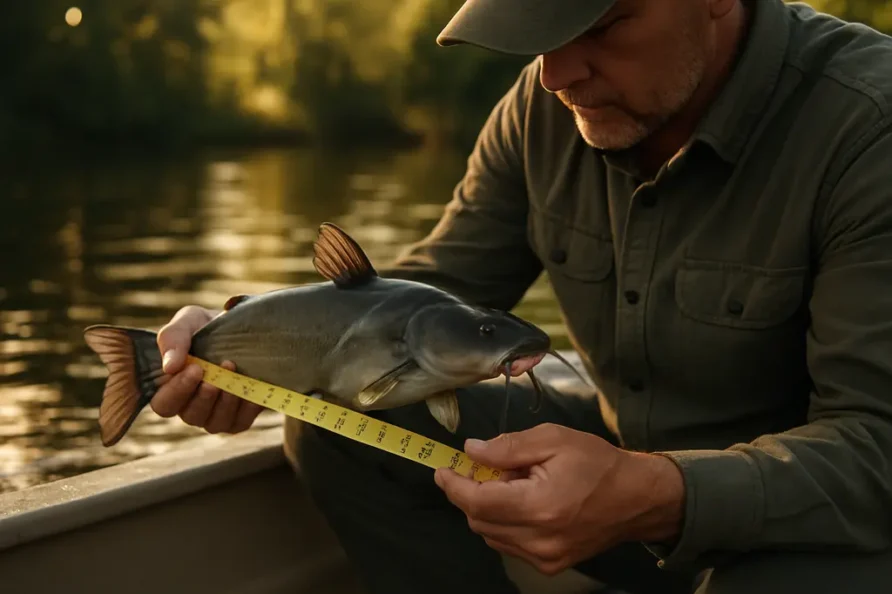
For catch-release events, the most useful habit is consistency. Use the same measuring board, the same photo angle, and the same sequence each time. Fish first, document fast, and release according to the event rules. If electronic reporting becomes part of more events, teams that already have a clean workflow will spend less time fumbling with phones and more time fishing.
Depredation Reports Need Details
Depredation is not just a frustrating story about a shark, seal, or marine mammal taking a fish. EO 14430 directed NOAA and Commerce to create a standardized real-time depredation reporting protocol through mobile tools. If that system affects future tournaments, vague notes will not help much. Start recording the basics during practice: time, general area, target species, tackle used, what was observed, and whether the fish was lost before landing or release.
Do not turn the cockpit into a courtroom. Keep it quick and factual. A waterproof notebook still earns its keep, even on a boat full of screens. If a mobile tool is later required, you will already have the habit of recording useful details instead of shouting, “big tax man got it,” and calling that data.
Reef Access And Location Strategy

Artificial Reef Planning Could Shift Maps
By the 60-day mark, the Department of the Interior was tasked with establishing a Federal Outer Continental Shelf Reef-in-Place Program. The research notes specify that this program would convert qualifying retired offshore infrastructure into artificial reefs, excluding offshore wind structures. For tournament anglers, that does not mean a new legal fishing spot appeared overnight. It means future reef access, charts, and tournament boundaries may need closer review as agencies act.
From a tactics standpoint, prepare your map work in layers. Mark current legal fishing zones, event boundaries, known structure, fuel range, sea-state limits, and return time. If new reef-in-place locations later become available, evaluate them the way you would any structure: distance from port, safe approach, traffic, current, bait presence, and whether the event rules allow fishing there. A tempting spot outside the boundary is just an expensive sightseeing trip.
Data Changes Could Affect Season Choices
The order also identified concerns about NOAA’s Marine Recreational Information Program along the Gulf of America and Atlantic Coast. It called for a data-replacement threshold tied to Percent Standard Error, or PSE, so that lower-error state data may be used instead of MRIP when the threshold is met. That could affect future season dates, size limits, bag limits, or event timing if managers later make formal changes.
For now, tournament directors should keep a clean record of participation, catch submissions, release data, marina activity, and for-hire involvement where the event already collects that information. Anglers should support accurate reporting because better data can make future management less blunt. Nobody enjoys losing access because the numbers are foggy.
Tournament Regulations On The Water
Pre-Launch Checks That Keep Crews Clean
The best response to shifting policy is boring in the best possible way: verify, record, fish. Before launch, confirm the active season, bag limit, size limit, gear rule, reporting requirement, and event boundary. Make sure every angler knows which species count, which releases count, and which fish cannot come aboard. If your tournament regulations require photos, videos, tags, or a specific measuring method, rehearse it before lines-in.
- Save active rules offline before leaving the dock.
- Assign one crew member to legal checks and one to catch documentation.
- Log depredation events with time, area, and observed details.
- Ask tournament staff for written clarification when rules are unclear.
- Treat EO 14430 deadlines as watch items until official rule changes appear.
My captain’s advice is plain: do not let policy chatter knock your fishing plan sideways. The order created agency tasks that may affect permits, reporting, data use, reef access, and future recreational fishery management. It did not hand your team a free pass to ignore the rule sheet. Fish sharp, document cleanly, and keep your crew ready to adjust after agencies and tournament directors publish actual updates.