
The West Virginia blue catfish record is not just another big-fish headline for anglers to admire and forget. A 71-pound blue catfish from the Ohio River shows how trophy catfishing is becoming a more serious pursuit, where heavier gear, better bait, and sharper river strategy are changing what anglers believe is possible.
That matters well beyond one state record. The same kind of trophy-cat attention that has anglers watching Florida’s Suwannee River blue catfish bite is now showing up on the Ohio River, where big-water systems are proving they can produce fish that force everyone to rethink the ceiling.
The West Virginia Blue Catfish Record Is A Strategy Story
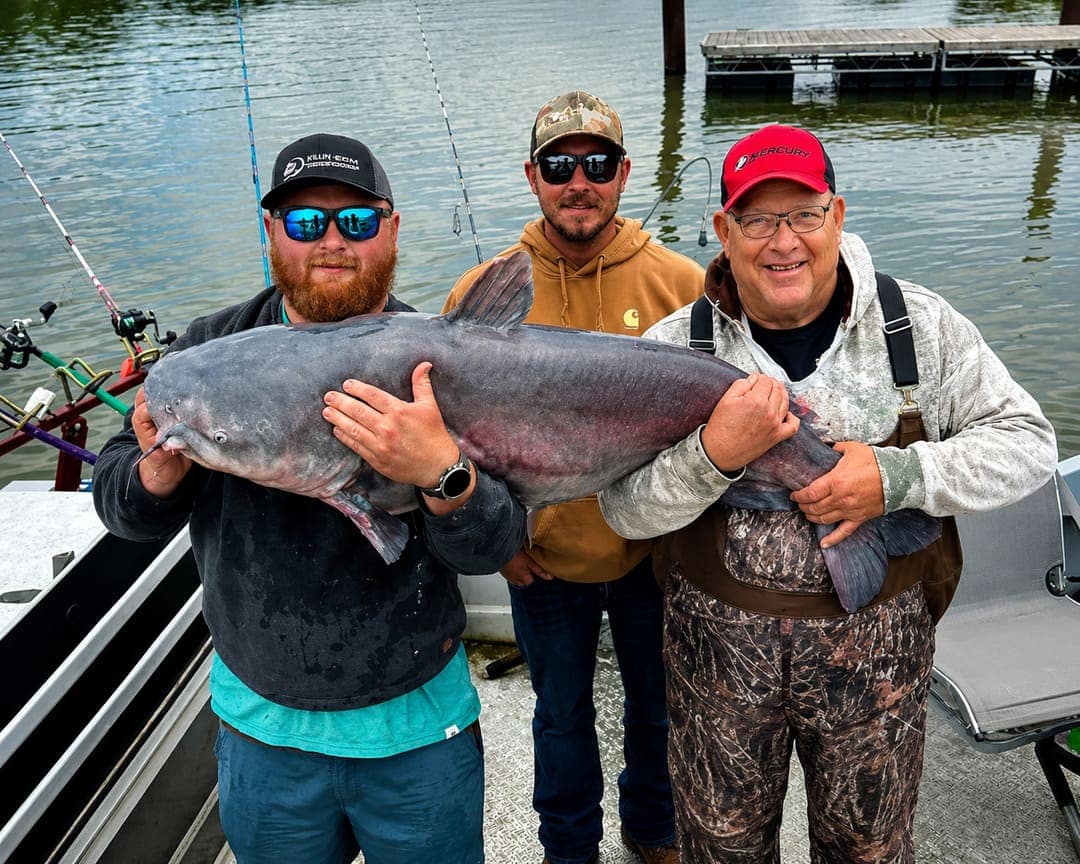
Michael Ramey’s 71-pound, 50.23-inch blue catfish, caught May 9 on the Ohio River in Jackson County, now sits at the center of West Virginia’s trophy-cat conversation. The catch beat the previous state weight record of 69.45 pounds, set in 2023 by Michael John Drake, and gives the Ohio River another serious entry in the big-catfish record book.
The details matter because they point to more than luck. Ramey caught the fish using cut bait on 100-pound test line, a combination that says plenty about the direction trophy catfishing is moving. Big blue cats are not being treated like casual bonus fish anymore. They are being targeted with equipment and tactics built for legitimate heavyweight fights.
West Virginia’s official announcement of the new state fishing records places the blue catfish alongside other record catches from the spring, but this one carries a different kind of charge. Blue catfish records have a way of pulling attention because they connect size, river mystery, and angler ambition in one photo-ready moment.
The takeaway is trophy-cat credibility. A fish like this tells anglers that the Ohio River is not merely producing big cats by accident. It is holding fish large enough to reward those willing to fish heavier, slower, and smarter.
Cut Bait Still Rules When The Target Gets Bigger
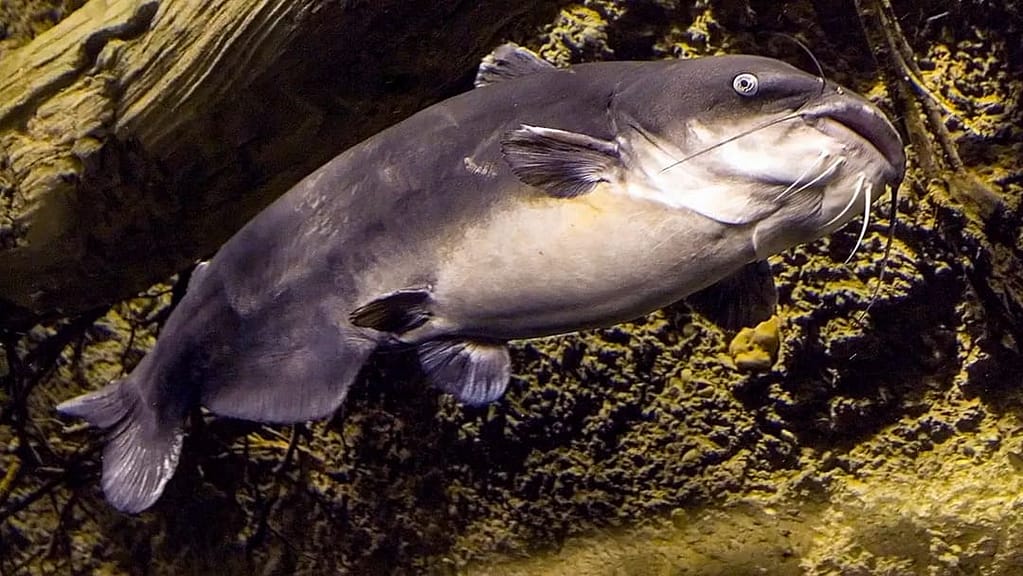
There is a reason the bait detail jumps out. Cut bait remains one of the most trusted choices for serious blue catfish because it gives off scent, carries a natural profile, and appeals to the feeding behavior of larger fish. When anglers move beyond eating-size cats and start aiming for record-class fish, bait quality becomes much harder to fake.
That does not mean any old chunk of bait will do. Freshness, size, oil content, and presentation all matter. Trophy blue cats are opportunistic, but they are not always careless. A big bait placed in the wrong current seam or left to spin unnaturally can become wasted time.
The 100-pound test line also says something. Heavy line is not about showing off. It is about controlling a powerful fish in difficult water, especially in a river system with current, snags, rock, timber, and other hazards. Light tackle may make a good story when everything goes perfectly. Trophy catfish anglers know perfect rarely lasts long.
This is where the sport has changed. The old image of catfishing as a lawn chair, lantern, and mystery bite still exists, but record-class blue catfish demand purpose-built decisions. Rods, reels, leader material, hooks, drag settings, bait size, boat position, and net work all matter once the fish on the line can weigh more than a child.
The Ohio River Is Becoming A Bigger Stage For Trophy Cats
The Ohio River has the kind of scale that makes trophy catfish stories believable. It has current, forage, depth changes, dams, ledges, structure, and enough complexity to reward anglers who treat it like a system instead of a long strip of water.
That is why the new record matters for anglers outside West Virginia too. Big rivers have personalities. They create patterns, hide giants, punish sloppy anchoring, and reward people who understand how fish relate to current and food movement. When a 71-pound blue cat comes from the Ohio River, it reinforces the idea that major river systems are still writing new chapters in the trophy-cat conversation.
The official West Virginia state record fish list now shows how high the bar has climbed for blue catfish, and the pattern should interest anyone who follows big-fish trends. These records are not frozen relics from decades ago. They are being challenged in the modern era by anglers who are more prepared and more targeted than previous generations.
That creates a useful pressure point: more attention usually means more effort. More effort can lead to more record attempts, more serious gear choices, more local tournament interest, and more public awareness around catfish as a legitimate trophy fish.
Why Record Blue Cats Are Changing The Way Anglers Fish
A single record can influence behavior fast. Anglers who once treated catfish as a side target may start packing heavier rods. Bank fishermen may look harder at access points near deeper current. Boat anglers may spend more time graphing ledges, holes, and current breaks. Tournament teams may adjust bait plans when they know a system has record-class potential.
The difference between casual catfishing and trophy catfishing is not just size. It is mindset.
| Catfish Approach | Typical Goal | Gear Mindset | Biggest Lesson |
|---|---|---|---|
| Casual bank fishing | Catch steady eating-size fish | Simple rods, moderate line, easy bait | Location matters, but comfort often drives the plan |
| Weekend trophy effort | Find a larger blue or flathead | Heavier line, bigger hooks, better bait | Patience and bait quality become more important |
| River tournament fishing | Beat other teams with weight | Efficient setups and repeatable patterns | Strategy must survive pressure and time limits |
| Record-class targeting | Land a true heavyweight | Heavy tackle, strong drag, careful handling | One mistake can cost the fish of a lifetime |
The table shows why records matter. They do not just celebrate the fish already caught. They change how future anglers prepare.
A record fish creates bigger expectations, and expectations affect behavior. People start asking better questions: Where was the fish positioned? Was current moving? What bait was available? How heavy was the gear? What time of year produced the bite? Those questions are what push the sport forward.
The Risk Is Turning One Fish Into A Shortcut
The worst reaction to a record catch is assuming the river has suddenly become easy. A 71-pound blue catfish proves potential, not predictability. It does not mean every deep hole will produce a giant or that every piece of cut bait will get crushed.
That distinction matters because hype can make anglers careless. They may over-gear without learning presentation, chase crowded access points, ignore seasonal movement, or mistake heavy line for a complete strategy. Trophy catfishing is still a slow, disciplined game.
The smartest anglers will treat the record as a signal, not a guarantee. They will study river conditions, bait availability, structure, depth, current, and timing. They will also respect the physical demands of landing a fish that large. Fighting a big blue catfish in current is not the same as pulling a small channel cat from a farm pond.
There is also a conservation layer. Record fish fuel excitement, but they also raise questions about handling, release decisions, harvest rules, and long-term fishery quality. Anglers do not need to turn every big catch into a debate, but serious trophy culture depends on respecting the resource that makes these moments possible.
The Next Record May Come From Better Anglers, Not Better Luck
The most interesting part of the West Virginia blue catfish record is what it suggests about the next wave of catches. Big fish have always existed in major river systems, but modern anglers are getting better at finding them. Better electronics, stronger tackle, more refined bait strategies, and a growing catfish media culture all make it easier for skilled anglers to focus on true giants.
That does not cheapen the achievement. It raises the standard. The fish still has to bite. The angler still has to execute. The net still has to slide under the right fish at the right moment.
But the broader trend is hard to miss: catfishing is getting more serious. Records, tournaments, social media attention, and destination river coverage are all pushing blue catfish into a more respected big-fish category. For anglers willing to learn the water instead of just soak bait and hope, that creates a real opportunity.
The West Virginia blue catfish record gives the Ohio River another reason to command attention heading into the heart of catfish season. One 71-pound fish does not make trophy success easy, but it does make the message impossible to ignore: the anglers who prepare like big cats are there may be the ones who prove it next.


