
MegaBuc Vicksburg gave serious catfish teams plenty to study after the July 27-28, 2024 event in Vicksburg, Mississippi. The verified recap shows 241 anglers, 92 teams, a $200,000 purse, and a $100,000 grand prize, which made every boat-control decision and bait choice feel amplified Catfish Now recap. Bree Castillo here, and from an angler’s point of view, the lesson was not just who won. It was how quickly the top teams adjusted when depth, current, and fish movement refused to stay polite.
The 2026 listing scheduled the next Vicksburg tournament for July 25-26, 2026, with the same $200,000 total purse, $100,000 first prize, Day 1 qualifying structure, and Big Fish prize 2026 tournament listing. Since that date had already passed as of August 20, 2026, and the provided research does not include verified 2026 results, the practical takeaways below lean on confirmed 2024 details and the listed tournament structure.
MegaBuc Vicksburg Results That Changed Plans
Why The Winning Pattern Was Not Static
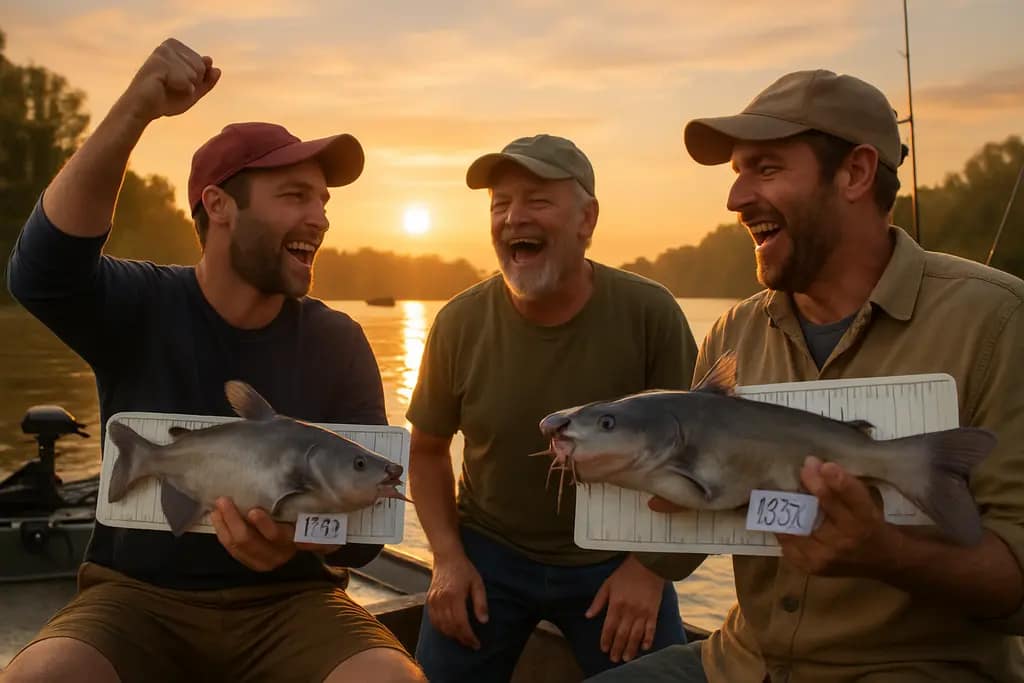
The 2024 champions, Jason and Daryl Masingale and David Coughlin, sat 15th after Day 1 with 83.19 pounds. On Day 2, they brought in 115.85 pounds with a 3-fish bag and won the $100,000 top prize. That tells every tournament angler something useful: a middle-pack qualifying day did not end their event because the format reset weights for the finals.
The biggest MegaBuc Vicksburg lesson was flexibility. The research notes that teams shifted from deeper water over sand, around 60 to 80 feet, into shallower current zones from 20 to 50 feet as fish movement and river conditions changed. Some teams used anchor fishing, while others drifted or bumped when the situation called for it. That is not random lure swapping. That is reading the river like a playbook and changing presentation before the weigh-in clock punishes hesitation.
Big Fish Shows Why One Bite Matters
Rob Benningfield and Ricky Eiselt earned Day 1 Big Fish honors with a 78.52-pound blue catfish. Their Saturday weight was 117.52 pounds, good for 5th place entering the finals. For teams chasing blue cats on the Mississippi River, that fish is a reminder to keep one setup and one stretch of water aimed at a true heavyweight, even while building a qualifying bag.
Team Extreme, made up of Chris DeBow, Vic Shepherd, and Marc Cooper, finished 2nd with 98.61 pounds on Day 1 and 106.64 pounds on Day 2, earning $25,000. Dusty Tholl, Jenny Tholl, and Colton Brunger placed 3rd after weighing 81.42 pounds on Day 1 and 104.12 pounds on Day 2, earning $15,000. Those numbers show that finalists still had to produce after the reset. You could not coast on a good first day.
Tournament Format And On-Water Decisions
MegaBuc Vicksburg Day-Two Reset
The Day 1 / Day 2 structure mattered as much as the fish. Day 1 served as the qualifier, with the Big Fish contest and the top 25 advancing. Day 2 started with zeroed weight, so the Day 1 catch did not carry into final placing. For any MegaBuc Vicksburg-style format, that changes how I would manage risk.
On a qualifying day, I want enough confidence water to make the cut, but I also want notes on fresh water for the final. Burning every best spot on Day 1 can leave you standing at the bait tank on Day 2 wondering why yesterday’s stretch went quiet. The 2024 recap noted that productive spots on one day could be nearly barren the next because of river levels and current shifts. That is Mississippi River catfishing in tournament form: yesterday’s hero waypoint can become dead weight.
Use Scouting To Build Options, Not Just Spots
Pre-fishing and scouting paid off in 2024 because anglers located productive areas ahead of time, watched current, and adjusted depth, drift, and bait presentation. The practical point is simple: do not scout only for bites. Scout for decision trees.
Mark where fish fed deep. Mark where the current seam tightened. Mark which sand areas held fish and which shallower lanes looked ready if the river changed. If your scouting notes only say “caught one here,” they are too thin. A tournament team needs notes that say why the fish may have been there, what the current was doing, what depth the bait ran, and whether the spot could handle pressure from another boat.
For a broader look at how prize structure and attention have shaped this event’s place in competitive catfishing, the site’s earlier piece on the Vicksburg $100,000 MegaBuc$ prize gives helpful context without replacing on-water homework.
Gear, Bait, And Boat Control Lessons
Ration Skipjack Like It Is Part Of The Entry Fee
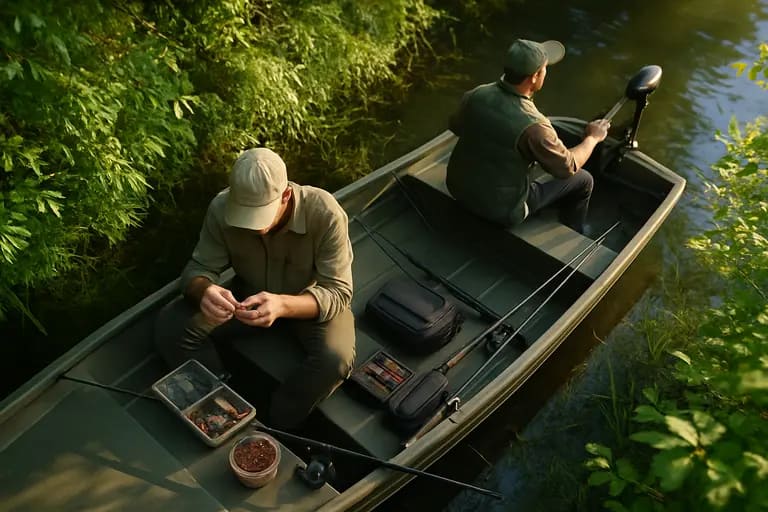
Bait planning stood out in the 2024 tournament. One winning team caught about 65 to 70 skipjack total in advance and had to conserve that bait through both days. That is a hard reminder that bait is not a side chore. It is part of the competitive plan.
If you know fresh skipjack is central to your pattern, build a bait budget before tournament morning. Decide how many pieces you can fish per hour, how many baits you will refresh aggressively, and how many you will protect for a late-day move. A team that casually burns premium bait early may lose its best option when a current shift opens a better stretch.
Match Boat Control To Fish Position
The research supports three broad tactical lanes from 2024: deeper water over sand, shallower current zones, and either anchoring or drifting/bumping depending on fish behavior. That gives catfish teams a useful practice template.
- Practice anchoring with purpose: Set up so baits work naturally through the target zone instead of landing behind the fish.
- Practice controlled drifting: Track how speed changes bait angle, bottom contact, and bite detection.
- Practice quick resets: If the current lane changes or bites stop, make the move before confidence turns into stubbornness.
- Protect bait quality: Keep enough skipjack available for Day 2 or for a late adjustment when heavier fish start feeding.
Total weight also shows the scale of the event. Day 1 produced 4,036.67 pounds across all teams, while the 25 finalists added 1,456 pounds on Day 2. Those are not casual numbers. They reflect many teams finding fish, then a smaller finalist field needing to solve a fresh puzzle after the reset.
What MegaBuc Vicksburg Taught Catfish Teams
Build A Two-Day Plan With Room To Pivot
MegaBuc Vicksburg rewarded teams that treated the event as two connected contests rather than one long weigh-in. Day 1 required enough weight to advance. Day 2 required a fresh execution plan because weights started over. That format favors anglers who can qualify without exhausting every top option, conserve bait without fishing timidly, and shift depths without second-guessing every move.
My practical takeaway for serious catfish teams is to rehearse change. During practice, do not just sit on the best bite until it fades. Run a mock tournament block: start deep, move shallow, anchor, drift, bump, and record what each change does to bait presentation. The team that has already practiced those transitions will be calmer when the river moves fish from 70 feet over sand into a 30-foot current zone.
The 2024 event also showed that one giant blue cat can shape a day, but consistency after the reset wins the larger fight. That should push anglers to balance trophy hunting with bag-building. Keep a big-fish plan alive, but do not ignore the smaller decisions: bait rationing, boat angle, scouting notes, and moving before a spot goes stale.
For teams studying MegaBuc Vicksburg, the message is clear enough to take straight to the ramp: respect the format, respect the river, and prepare multiple ways to present bait when conditions shift. That is how tournament catfish anglers turn a recap into better decisions on their next big-water run.


