ICAST 2026 gear gave sport anglers plenty to sort through after the July 14-17, 2026 show in Orlando, Florida. Some launches leaned high-tech, some leaned simple and affordable, and the best takeaways were not just about what looked new on a display wall. The real question is how each tool helps you find fish, present baits cleaner, control your boat better, or fish longer without fighting your own setup.
I like new tackle as much as anyone, but shiny gear only earns a spot in my boat if it solves a real fishing problem. A clearer sonar picture should help you separate fish from clutter. A durable spinning combo should help newer anglers cast with confidence. A new lure shape should give fish a different look without forcing you to rebuild your whole tackle system. That is the practical filter I use after any big trade show.
What ICAST 2026 Gear Changed
ICAST 2026 Gear Takeaways From The Show Floor
The biggest signal from the show was range. The New Product Showcase was not only about premium electronics. It also rewarded basic, usable tackle. ICAST reported just under 12,000 attendees, more than 540 exhibitors, over 200,000 square feet of exhibit space, and 39 category awards; Zebco’s Rhino 30 6-foot-6-inch 2-piece Medium Spinning Combo was named Best of Show by the New Product Showcase ICAST recap.
That Best of Show result matters for everyday anglers. It was a reminder that usefulness can beat flash. A medium spinning combo in that length class fits bank fishing, small boats, ponds, and family trips. It is not the tool for every heavy-cover fight, but it shows why dependable, approachable gear still has a strong place beside premium electronics and highly specialized lures.
What To Do Before Buying
Before you chase any award winner, write down three things: your main species, your common water depth, and your weakest part of the day. If your problem is finding suspended fish, electronics deserve attention. If your problem is missed casts around docks, a balanced rod-and-reel setup may help more. If fish follow but do not commit, then lure action and profile should move up your list.
That simple ranking keeps the tackle shop from turning into a budget trap. ICAST can make every new product look necessary. Your logbook tells the truth. If the last five trips show poor boat position in wind, tackle alone will not fix it. If your notes show fish holding deeper than your current electronics can read clearly, then a sonar upgrade makes more sense.
Sonar And Electronics Lessons
Live Sonar Should Match Your Fishing Style
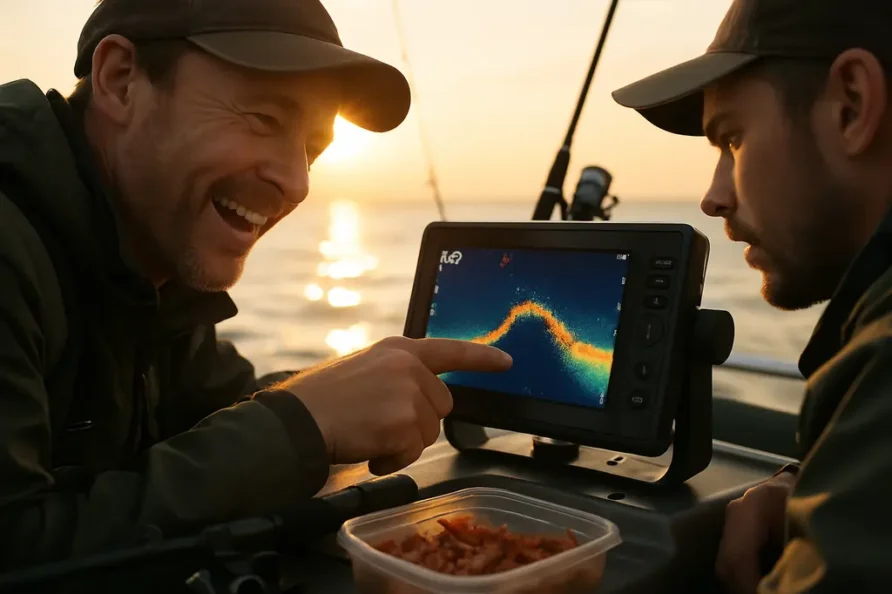
Garmin launched the LiveScope 2 Series on July 7, 2026, including LiveScope 2 HD, with 20% greater resolution, improved noise reduction, expanded sonar coverage, MSRP from $1,999.99 to $2,199.99, and simplified installation without a separate black box Garmin launch details. The research notes list three transducer choices: LVS-44 for extended range to 250 feet with about 20% more resolution, LVS-42HD for up to 125 feet with about 50% more close-range detail, and an HD Ice Fishing transducer with a flexible cold-water cable and 0-degree shaft.
The practical lesson is not just clearer screens. It is choosing the view that fits how you fish. Open-water anglers looking ahead for roaming fish may value range. Dock, brush, and close-target anglers may care more about close detail. Ice anglers have a different cable and shaft need. The wrong transducer can still show fish, but it may not show them in the way that best supports your cast timing.
Practice Screen Reading Before Tournament Pressure
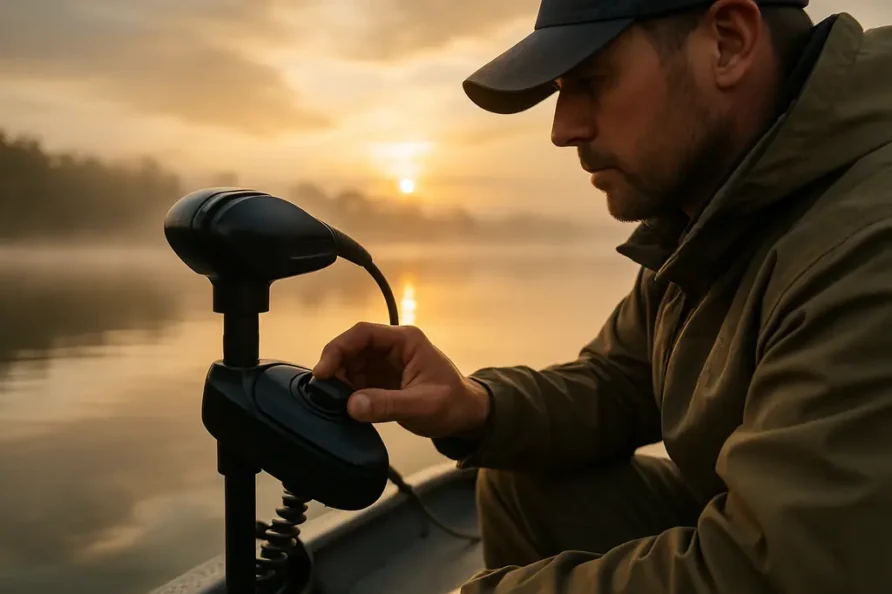
Live sonar rewards calm hands. If you swing the trolling motor too fast, chase every mark, or stare at the screen instead of controlling the boat, you lose the advantage. Spend one practice trip doing nothing but reading bait, bottom changes, and fish reaction. Make a short cast, watch the lure fall, and note how fish respond to speed changes. That drill teaches you whether to pause, lift, burn, or leave.
If you are comparing electronics after ICAST, the internal article on sonar gear upgrades pairs well with this decision because mounts, mapping, and boat control matter as much as the display itself.
Lures, Reels, And Boat Control
Urchin-Style Baits Earned Attention
Soft plastics took a creative turn at the 2026 show. The research notes point to an urchin-style bait trend, with Rapala CrushCity’s THE CEO 21, a 21-mm soft plastic using Super-TPE and a weighted core, winning Best Freshwater Soft Lure. Related accessories also appeared, including G-Ratt Baits’ Urchin Rig and BUZBE’s Tackle Management Urchin Bait Box, both tied to category wins in the notes.
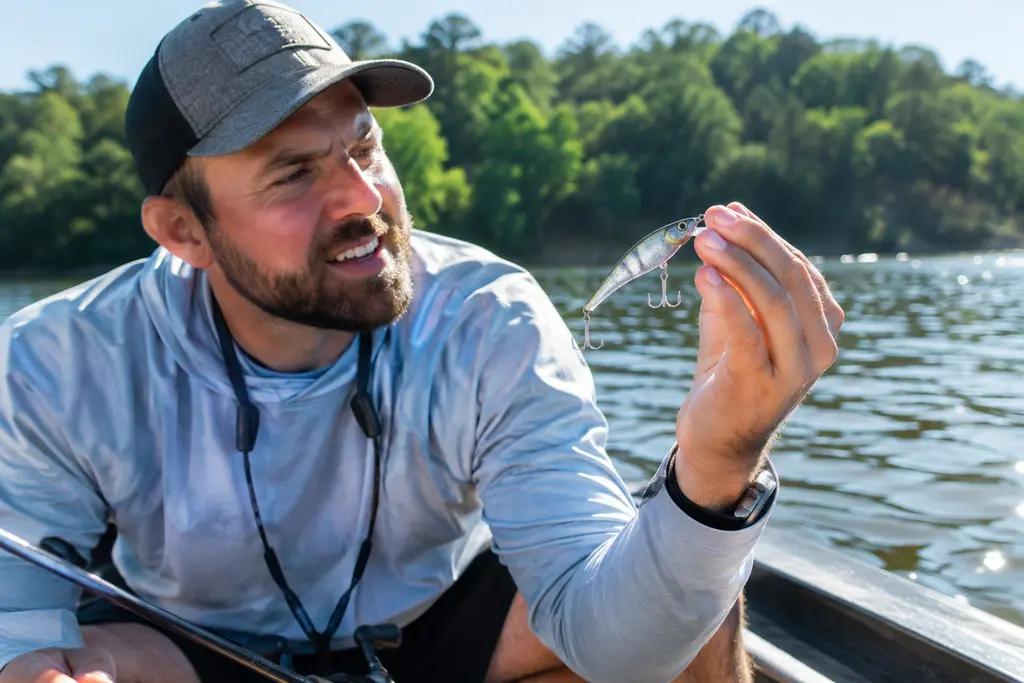
For anglers, the action step is to treat these baits as situational tools, not magic. Small, compact profiles can shine when fish are inspecting baits closely, but they still need the right line, hook, and retrieve. Start with short casts where you can see how the bait falls and how quickly it returns to shape after contact. Then test it near fish-holding structure where a different profile may pull a reaction.
Reels And Glidebaits Point Toward Control
The notes also showed baitcaster growth. Shimano’s Curado DC 150 won Best Freshwater Reel, Ledgerunner LR200SA scored in Saltwater Hard Lure, and the Calcutta Conquest DC A was noted as Shimano’s first saltwater-rated digitally controlled baitcaster. Glidebaits kept gaining space too, with Rapala, Strike King, and SPRO releases aimed at lifelike swimming action in fresh and saltwater.
That tells me anglers are still chasing better control: controlled spool speed, controlled bait glide, controlled direction change. If you add a glidebait, do not start by bombing long casts all day. Practice quartering casts across points, seawalls, grass edges, or current seams. Watch how the bait turns after a half reel crank, a soft twitch, and a full stop. Fish often tell you which move they want before they eat.
Buying Choices After ICAST 2026 Gear
Sort Gear By Job, Not Hype
The cleanest buying plan is to sort every product into a job. Sonar finds and tracks. Rods and reels deliver and fight. Line connects and transmits. Lures trigger. Storage protects and speeds up changes. Boats and kayaks position you. If a product does not improve one of those jobs for your style of fishing, it can wait.
The research notes included non-braided monofilament lines with braid-like sensitivity, electric-powered fishing kayaks with smart tech, and bait rigs or hardware built around new lure shapes. Those categories show how connected modern fishing systems have become. A new lure may call for new terminal tackle. A heavier electronics setup may call for better power planning. A smart kayak may help boat position, but only if you learn the controls before fishing tight cover.
- For weekend anglers: Upgrade the weakest link first, often line, hooks, or a rod-and-reel combo that casts cleanly.
- For tournament anglers: Test electronics and specialty lures during practice, not on event morning.
- For kayak anglers: Check weight, battery needs, and control layout before adding powered systems.
- For bank anglers: Favor gear that is durable, portable, and quick to rig without a boat deck full of storage.
Build A 30-Day Test Plan
Give any new purchase a fair test. Fish it in clear water, stained water, wind, and calm if possible. Keep notes on casting distance, bite response, fatigue, and setup time. A product that saves five minutes on every retie may be more valuable than one that only helps in perfect conditions.
This is where many anglers go wrong. They buy a lure, make ten casts, and judge it. Or they install electronics, skip calibration practice, and blame the unit. Set one goal per trip. On trip one, learn the bait fall. On trip two, learn fish reaction. On trip three, compare it against your confidence bait. That is how gear earns trust.
Why ICAST 2026 Gear Matters On The Water
Better Gear Still Needs Better Decisions
The best lesson from ICAST 2026 gear is that innovation did not move in one direction. Premium sonar pushed clarity and coverage. Affordable combos earned top recognition. Soft plastics experimented with small, unusual shapes. Reels leaned into control. Kayaks and storage systems showed how setup efficiency keeps growing.
None of that replaces water sense. Fish still respond to depth, forage, pressure, weather, current, and boat position. Gear helps you read those clues and act faster, but the angler still makes the call. My advice is simple: buy with a purpose, practice before pressure, and measure each product by what it does during real fishing hours, not by how good it looked under trade-show lights.
If one upgrade helps you make cleaner casts, hold position longer, see fish more clearly, or change baits faster, it can put more fish in the net. That is the kind of innovation worth carrying.