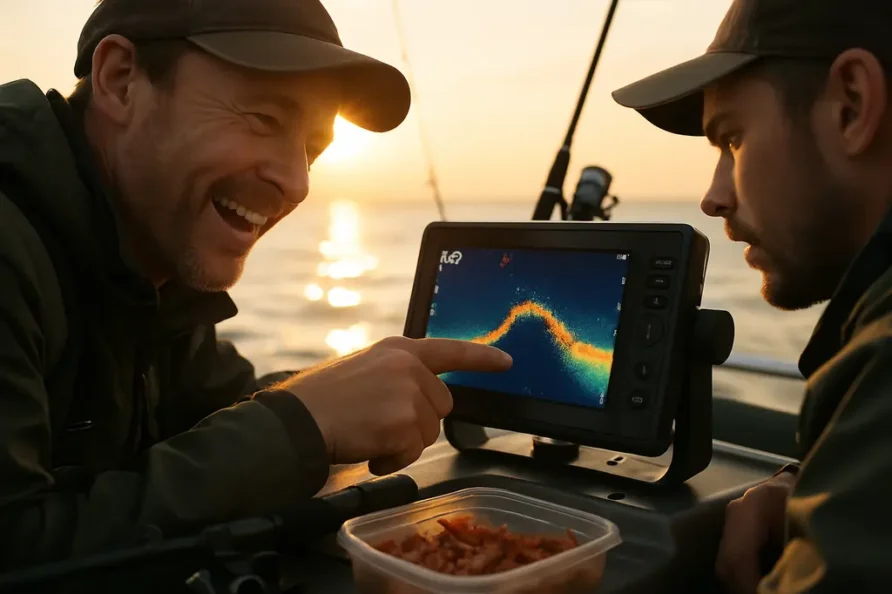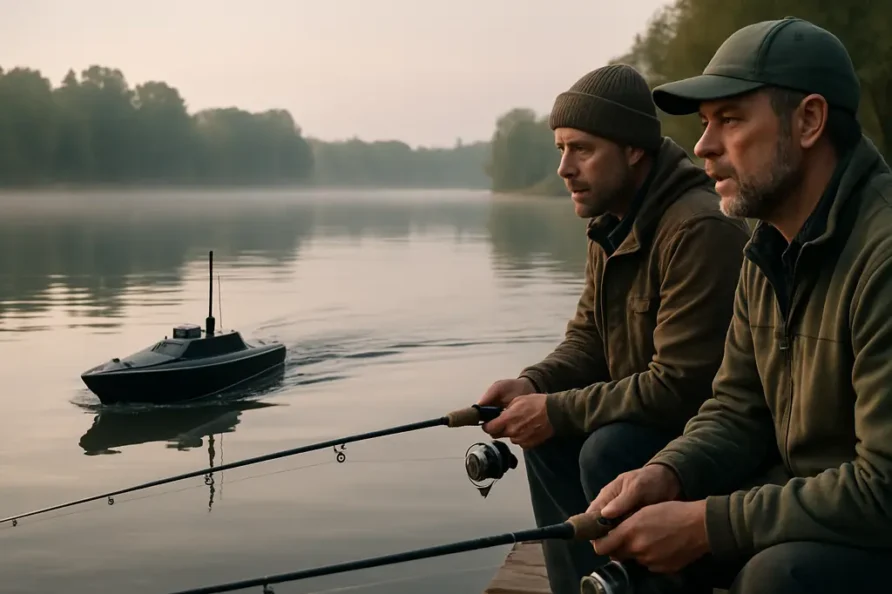
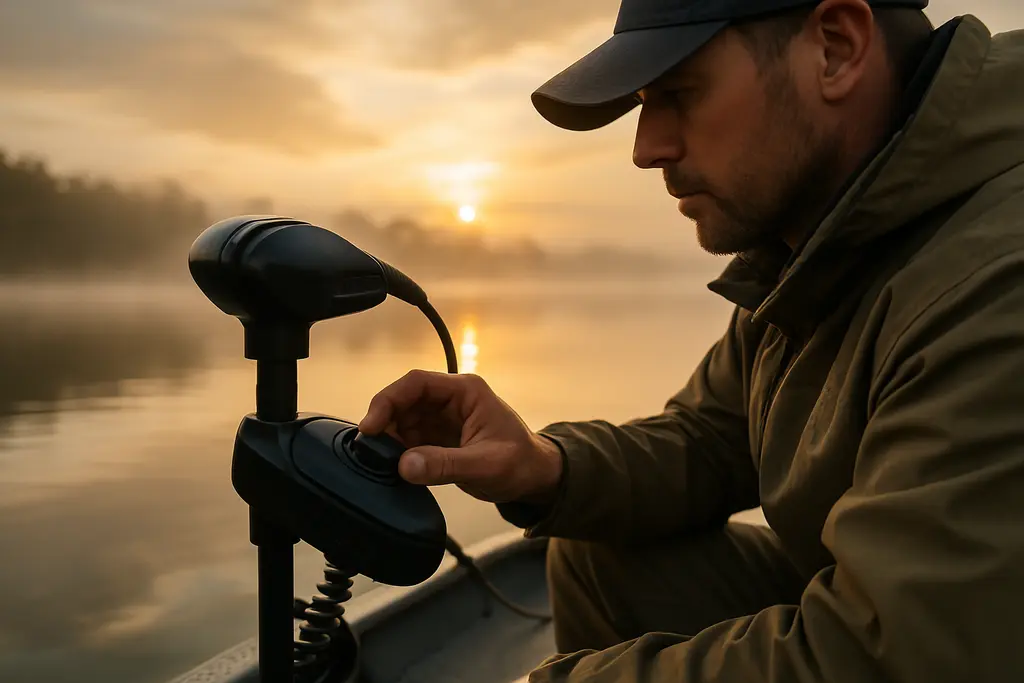
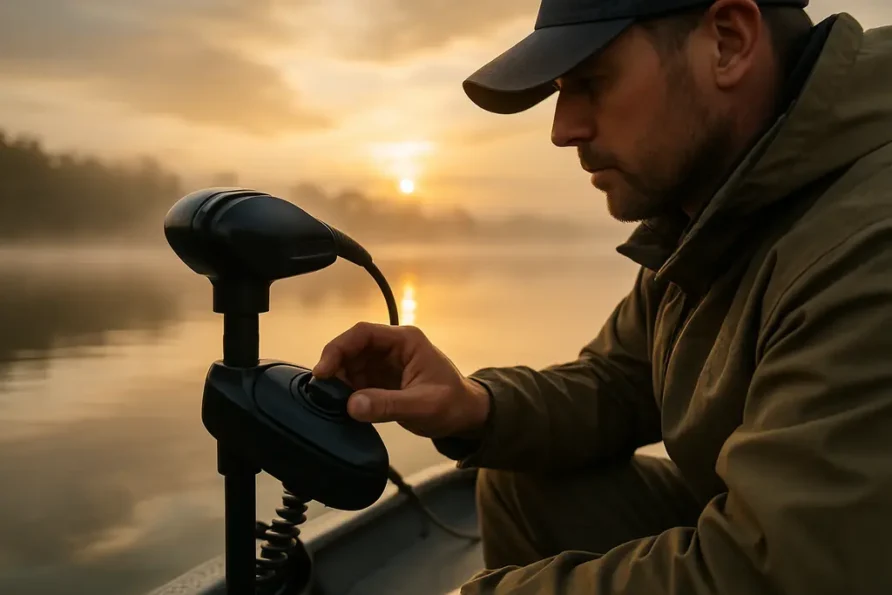
The Minn Kota System officially launched on October 6, 2026, and it gave sport anglers a new way to think about boat control, mapping, sonar, trolling motors, shallow-water anchors, and app-based setup as one working package. Minn Kota described the release as being powered by Humminbird Imaging™ and covering fish finders, navigation, sonar, maps, trolling motors, shallow-water anchors, and the Minn Kota Fishing App Minn Kota launch notes. For a bass angler holding on a windy grass edge, a catfish angler lining up on a channel swing, or a redfish angler working a shallow flat, the practical question is simple: does the gear help you spend less time correcting the boat and more time presenting baits cleanly?
That is where this release gets interesting. It is not just another screen at the console. The value comes from linking your decision points: where the map says the edge begins, what sonar shows under the boat, where your waypoint sits, and how the trolling motor holds or follows a route. Good electronics do not catch the fish for you. They do help reduce wasted motion, which matters during tournament hours, short evening trips, and rough-weather windows.
Minn Kota System: What Changed On October 6
Minn Kota System Launch Facts
The October 6, 2026 launch included new Minn Kota X Series fish finders in 7-, 9-, 10-, 12-, and 16-inch screen sizes, plus refreshed trolling motor lines listed by Minn Kota as Ultrex, Ulterra, Terrova, Riptide Terrova, Riptide Instinct, PowerDrive, and Riptide PowerDrive. The company also introduced Minn Kota Maps with LakeMaster data and the Minn Kota Fishing App as part of the same release, based on its launch details. Existing compatible Humminbird XPLORE, APEX, and SOLIX G3 fish finders were listed as able to receive software updates that enable many of the new features.
For the working angler, the upgrade path matters as much as the new product list. If you already run a compatible Humminbird unit, start by checking software support before assuming you need a full electronics swap. Screen size, motor model, and network needs should follow the way you fish. A 16-inch display may shine on a big console boat, but a smaller screen can still be valuable at the bow if your main need is reading a route, watching depth, and keeping a clean casting angle.
Feature Fit For Real Fishing Days
Minn Kota listed three headline functions that deserve close attention from serious anglers: Draw & Navigate™, Intelligent Depth Control™, and Enhanced Spot-Lock®. Draw & Navigate lets the angler draw a course on the fish finder for the trolling motor to follow. Intelligent Depth Control watches depth and helps the system avoid shallow or hazardous areas. Enhanced Spot-Lock was described by Minn Kota as holding up to 50% tighter on compatible trolling motors compared with previous models.
| Feature | Practical Use | On-Water Drill |
|---|---|---|
| Draw & Navigate | Follow a contour, dock line, grass edge, or break without constant pedal correction. | Draw a short pass, fish it, then repeat from the opposite direction to compare bait angle. |
| Intelligent Depth Control | Helps reduce surprise shallow-water problems when working flats, bars, or creek mouths. | Set up near a safe depth break and watch how the boat reacts before fishing tight cover. |
| Enhanced Spot-Lock | Hold casting distance on brush, current seams, ledges, bridge pilings, or bait schools. | Mark a target, lock near it, and practice casting from multiple boat headings. |
Treat the Minn Kota System as a training partner, not an excuse to stop learning water. The best use is to pair its controls with old-school observation: wind direction, current flow, bait movement, boat swing, and bottom change. If the map says one thing but your line angle and sonar tell another story, slow down and verify before building a whole pattern around one screen view.
Boat Control Tactics With Integrated Electronics
How The Network Shares Fishing Data
The Humminbird support documentation for the Minn Kota Integrated Fishing System states that the network can share mapping, sonar views, waypoints, iTracks, and controls for accessories such as Minn Kota trolling motors with Advanced GPS Navigation or i-Pilot Link™, Raptor, Talon, Cannon Optimum downriggers, sonar modules including MEGA Live, and TargetLock; it also notes device limits that vary by setup, including networks with certain switches Humminbird network basics. That matters because duplicated data reduces confusion between the bow and console.
Picture a tournament morning on a reservoir. You idle a creek arm, mark bait near a bend, and drop a waypoint at the console. If the bow unit can read that same waypoint and the trolling motor can work with stored tracks, your next cast starts with better context. The technology does not decide whether fish are feeding, but it helps you return to the exact lane where the bait, depth, and structure lined up.
Draw A Course, Then Fish The Edge
Draw & Navigate is most useful when you resist the urge to draw too much. Start short. A 50- to 100-yard stretch along a weedline, riprap bank, channel edge, or shell bar gives you a clean test. Fish one pass with moving baits or drifting cut bait, then make a second pass slower. Watch whether bites come on turns, points, inside bends, or depth changes. Your course should get smarter after each pass.
For catfish, I like using this style around channel swings and ledges where boat angle decides how bait settles. A small route correction can keep sinkers from dragging into the wrong bottom or sliding away from the seam. For bass, it can keep a crankbait or jig working the strike zone longer. For saltwater inshore anglers, it can keep the boat off spooky fish while you cast across potholes or current lines.
Spot-Lock Discipline For Catfish And Bass
Spot-Lock is powerful, but discipline still wins. Do not slam the boat directly over fish just because the anchor function can hold. Stop short, read the wind and current, then choose whether you want to cast upwind, drift a bait naturally, or hold off the side of a target. If your first lock point produces poor line angle, move. Good anglers reposition quickly instead of defending a bad setup.
A useful drill is the three-point hold. Pick a stump, piling, brush pile, or ledge marker. Hold once upwind, once crosswind, and once downwind. Make the same five casts or bait placements from each position. You will learn which boat heading gives your lure the best contact or keeps natural bait in the feeding lane. That lesson carries over to any brand of gear, but integrated controls make the repeat test easier.
Rigging And Update Checks Before A Hard Day
Software First, Hardware Second
Before spending on new hardware, write down every unit, trolling motor, anchor, and accessory already on your boat. Then check model compatibility and available updates. The research Minn Kota provided for the launch named XPLORE, APEX, and SOLIX G3 as compatible Humminbird products that can receive software updates for many features. That means some anglers may gain useful tools through updates rather than starting from scratch.
Your pre-trip routine should include more than charging batteries. Electronics fail most often in the little places anglers ignore: outdated software, weak power connections, poorly protected cables, unclear waypoint naming, or a network layout that was never tested away from the dock. If you fish tournaments, run your update and pairing checks well before practice day. A boat ramp is a bad classroom when the bite window is short.
- Update compatible units before the trip, then confirm the version on the device screen.
- Back up waypoints and routes before making major software or network changes.
- Test trolling motor steering, anchor controls, and fish finder communication at idle speed.
- Name waypoints by pattern, such as “ledge bait,” “brush bite,” or “flat drain.”
- Keep a basic paper or offline plan for ramps, safe water, and return routes.
Keep A Manual Backup Plan
Electronics should sharpen your fishing, not erase your instincts. If depth control or route following does not match what you see on the water, take control. Watch the bank, wind lanes, bird activity, current seams, and how your lure or bait behaves. A skilled angler can use a screen without becoming trapped by it.
Battery planning deserves respect too. Integrated gear can encourage longer use of displays, motors, anchors, and accessories. Match your power system to your fishing style, especially if you hold in current, fight wind, or run multiple screens. If you are experimenting with sonar layout and bow control, these sonar setup notes pair well with a dockside practice session before you chase a pattern.
Why The Minn Kota System Matters On The Water
Better Decisions, Not Automatic Fish
The Minn Kota System matters because it pushes anglers to connect boat movement with the information already on the screen. The strongest benefit is not flash; it is repeatability. If you can draw a clean pass, hold a better position, share a waypoint between stations, and return to the same track after a bite, you gain a sharper practice routine. That helps weekend anglers learn faster and gives tournament crews a cleaner way to test patterns.
Minn Kota also said expansion was planned for early 2027, including A Series fish finders, Terrova QUEST and Riptide Terrova QUEST trolling motors, Minn Kota Live Sonar, and Minn Kota 360 Imaging. Since those items were described as future additions in the October 6, 2026 launch information, anglers evaluating gear after October 18, 2026 should separate what was already released from what was still planned. That keeps buying and rigging decisions grounded.
The smartest move is to fish the technology in layers. First, learn the map and waypoint tools. Next, add route control. Then test depth and holding features in easy water before trusting them near timber, rocks, docks, or skinny flats. If the system saves you three boat corrections per cast, that is more lure time in the strike zone. If it helps you repeat a productive drift or hold a bait on a small target, that is real fishing value. The gear is there to support your decisions; your eyes, hands, and time on the water still close the deal.