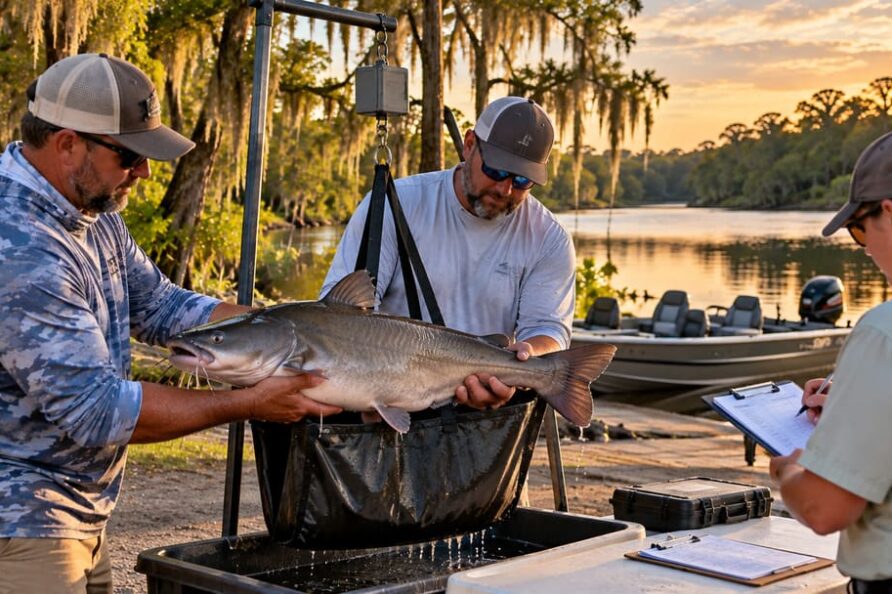
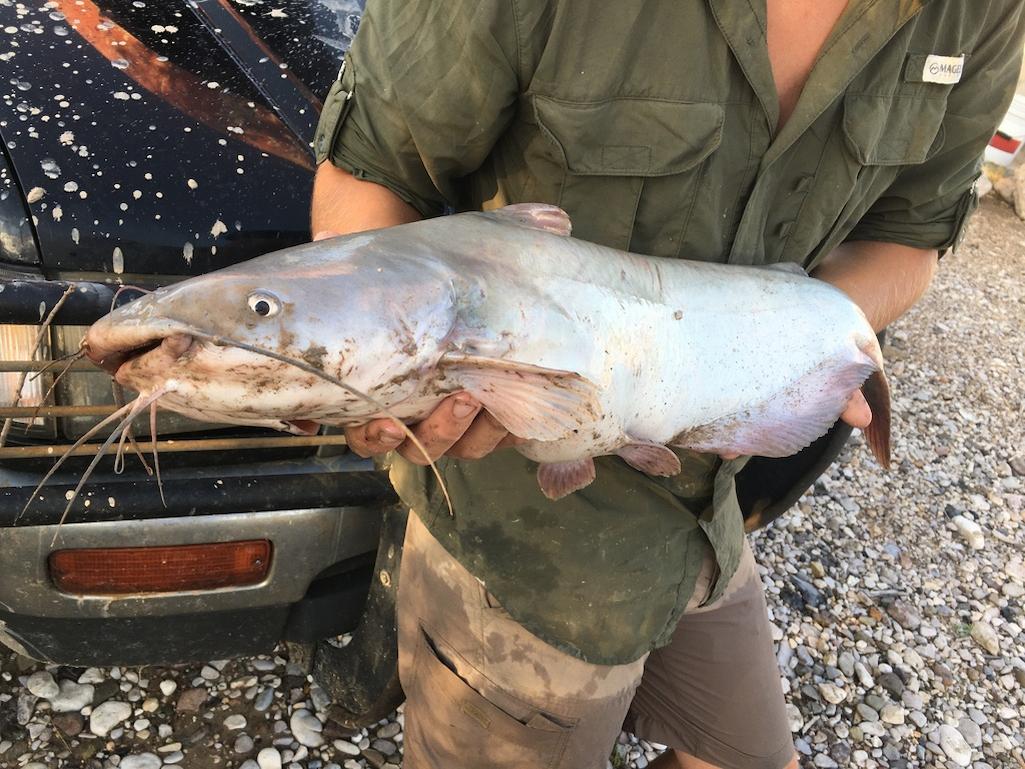
A catfish club may want to give away a donated rod, tackle bundle or guided trip to raise money for its next community fishing day. But running a tournament does not automatically give an organization permission to sell raffle tickets. Florida treats a prize awarded for fishing skill, a winner selected at random and a wager on an event as different arrangements. For a prize drawing, the organizer’s legal status, entry rules and public disclosures matter before the first ticket is printed.
That distinction also separates a club giveaway from commercial sports betting. Readers comparing offshore bookmakers can get the facts about EveryGame in a review that identifies the operator as outside U.S. state sportsbook regulation. A sportsbook wager is not a fishing contest prize or a charitable drawing, and a review of an offshore operator does not establish the legality of a Florida event.
If a club also awards a cash prize for the heaviest eligible catfish, write separate rules for that skill contest. The site’s guide to Florida catfish tournament entry fees and wagers explains why the source of tournament prize funds matters. The raffle question is different: who conducts the random drawing, how someone enters without paying, what the notices disclose, and whether the fundraiser complies with both relevant chapters of Florida law.
Check who is allowed to hold the drawing
Florida’s charitable-drawing provision is limited to organizations with qualifying federal tax-exempt status and a current IRS determination letter. The statute identifies several eligible categories, including sections 501(c)(3), 501(c)(4) and 501(c)(7), among others. An informal group of friends, a tackle shop or an event calling itself a fundraiser does not qualify simply because the proceeds would support a good cause.
Before announcing a raffle, verify the legal organization responsible for it, not just the name on a tournament banner. The IRS tax-exempt organization search provides determination-letter, filing and revocation information. That search is one piece of due diligence, not a substitute for confirming that the organization meets Florida’s drawing requirements. A club without the necessary status should obtain legal guidance rather than assume a partner charity’s name fixes the problem.
Free entry is a rule, not a marketing slogan
Under Florida Statutes section 849.0935, qualifying organizations may hold drawings by chance only subject to specific restrictions. They cannot require payment, a donation or proof of purchase as a condition of entering or winning. A suggested minimum donation may be advertised, but it must remain genuinely optional.
A practical test is whether a person who contributes nothing has a real, nondiscriminatory way to enter. The organizer cannot reject entrants because they did not donate, rig the selection, or make the drawing conditional on collecting enough contributions. The advertised prizes must be awarded; an organizer cannot simply cancel the drawing after disappointing fundraising results. Those obligations affect how a fishing club designs the event long before it asks a volunteer to pull a ticket from a bucket.
The flyer needs more than a prize photograph
Florida requires raffle advertisements, notices, tickets and entry blanks to disclose the drawing’s rules; the organization’s full name and principal place of business; the source of money for cash prizes or purchased prizes; and a statement that no purchase or contribution is necessary. They must also state when and where winners will be chosen and prizes awarded, with a limited timing exception for materials first offered no more than three days before the drawing.
For a catfish-event giveaway, that means a photograph of the donated tackle box and the phrase “support our anglers” are not sufficient terms. Publish the free-entry method and winner-selection process where participants actually encounter the offer, and keep records of the prize commitments and the entries received. Avoid promising extra chances to donors or using unclear rules that could disadvantage people who enter for free.
Fundraising rules do not end with the raffle statute
The Florida Department of Agriculture and Consumer Services explains that charitable solicitation rules also apply. Organizations soliciting contributions generally have registration and annual-renewal obligations unless an exception applies. Its small-organization process is available under stated conditions, including less than $50,000 in contributions during the preceding fiscal year, uncompensated fundraising personnel, and no professional fundraising consultant, solicitor or commercial co-venturer. This is a conditional filing route, not automatic permission to conduct a raffle.
The agency also advises that charitable contributions must not be mixed with noncharitable money and that their use should be documented. For an event combining a tournament fee, tackle sales and voluntary charitable donations, clear records are valuable even when all three activities happen at the same check-in table.
Keep the fishing competition and the drawing distinct
A club that cannot establish its eligibility for a drawing should not simply rename paid raffle tickets “donations” or “lucky numbers.” It can explore other fundraising formats, such as direct donations or an auction, after checking the rules that apply to those arrangements. For an actual raffle, obtain qualified Florida legal advice before launching rather than assuming a familiar event tradition is compliant.
A worthwhile catfish fundraiser should be as transparent at the registration desk as it is at the weigh-in. Confirm the organizer’s status, give every entrant a fair opportunity without compulsory payment, disclose the prizes and drawing process, and keep the donation records straight. Those steps protect the club’s community purpose without confusing a fishing event with a bet.