
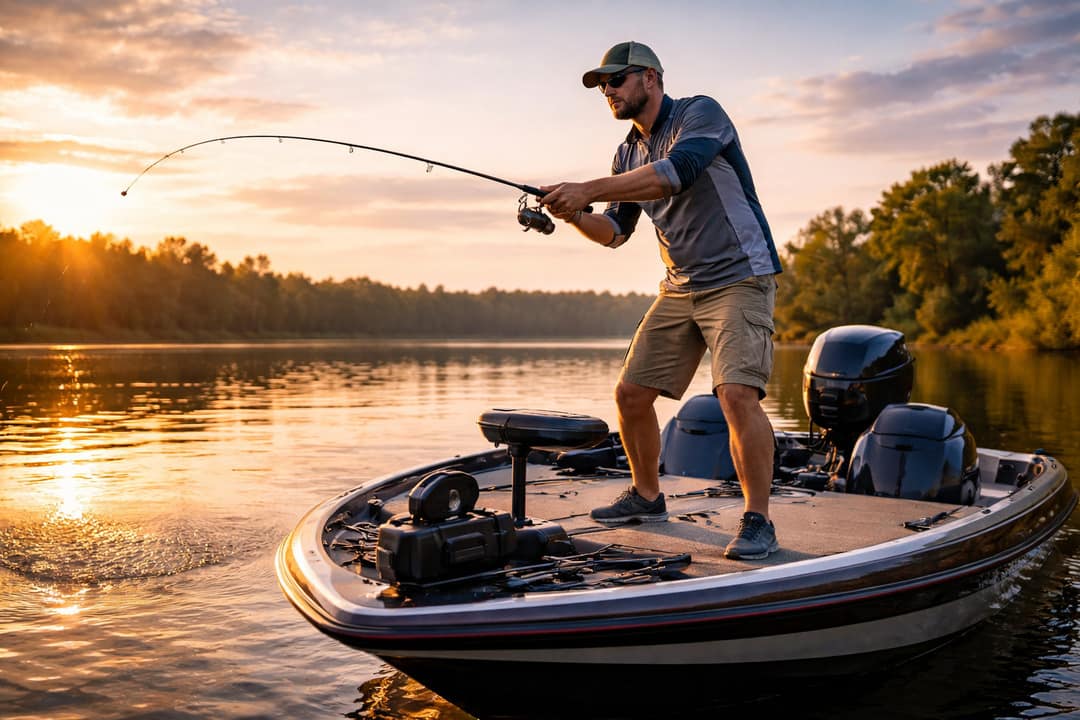

Fishing has long been rooted in patience, instinct, and a deep connection with nature. For many, the experience is as much about the journey as it is about the catch. However, in 2026, the sport is undergoing a quiet transformation. The rise of AI-powered fish finders and smart fishing gear is reshaping how anglers approach the water, introducing a level of precision and efficiency that was once unimaginable.
This evolution has sparked a growing debate within the fishing community. Are these technologies enhancing the sport, or are they fundamentally changing its essence? As innovation accelerates, the line between tradition and technology is becoming increasingly blurred.
The Foundations of Traditional Fishing
Traditional fishing relies heavily on experience and observation. Anglers study water conditions, weather patterns, and seasonal behavior to determine where fish are likely to be found. Over time, they develop an intuitive understanding of their environment, learning to read subtle cues such as water movement, vegetation, and temperature changes.
This approach emphasizes skill development. Success is often the result of years of practice, trial and error, and a deep familiarity with specific fishing locations. For many enthusiasts, this process is what makes fishing rewarding.
There is also a strong emotional component. Traditional fishing encourages a slower pace, allowing anglers to disconnect from technology and immerse themselves in nature. This connection is a key part of the sport’s enduring appeal.
The Rise of AI Fish Finders and Smart Gear
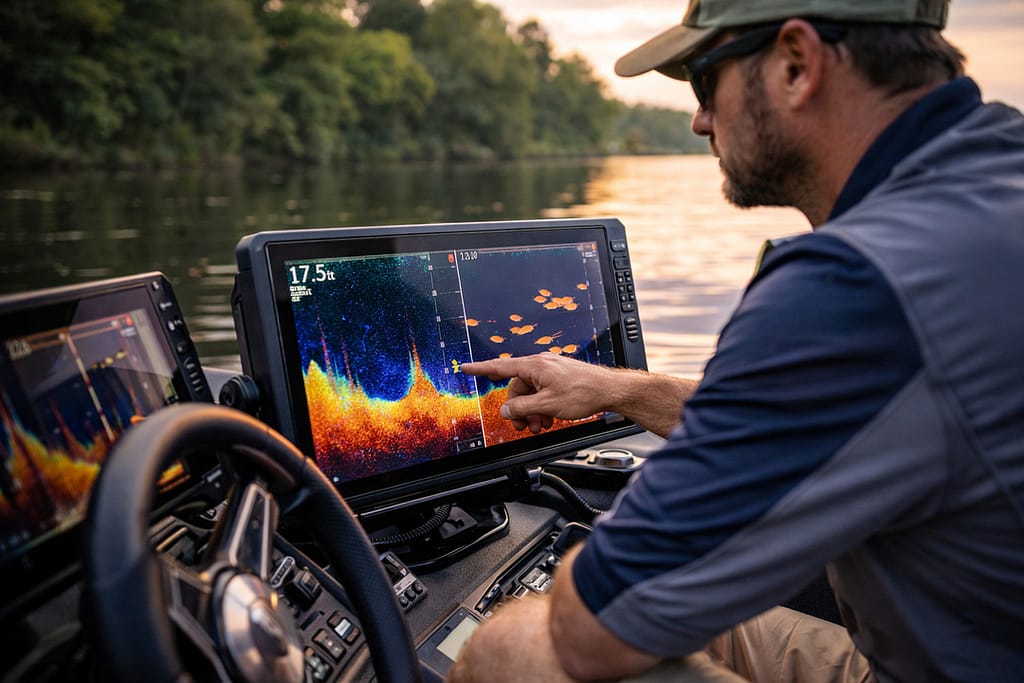
In contrast, AI fish finders represent a significant leap forward in fishing technology. These devices use sonar, GPS, and machine learning algorithms to analyze underwater environments in real time. They can detect fish, map underwater structures, and even suggest optimal casting locations.
Modern systems go beyond simple depth and location readings. They interpret data to identify patterns, helping anglers understand fish behavior more quickly. Some devices can differentiate between species, track movement, and provide predictive insights based on historical data.
This level of sophistication has made fishing more accessible, particularly for beginners. Instead of relying solely on experience, new anglers can use technology to improve their chances of success from the start.
Efficiency vs Experience: A Changing Dynamic
One of the most noticeable impacts of AI fish finders is the increase in efficiency. Anglers can locate fish faster, reduce guesswork, and spend more time actively fishing rather than searching.
While this efficiency is appealing, it also raises questions about the role of skill in the sport. Traditional methods require patience and persistence, qualities that are less emphasized when technology provides immediate guidance.
For some, this shift represents progress. For others, it diminishes the challenge that defines fishing. The debate often centers on whether success achieved through technology carries the same value as success earned through experience.
Accessibility and the Democratization of Fishing
AI-powered tools have made fishing more inclusive. Beginners who might have struggled with traditional methods can now enjoy the sport with greater confidence. This accessibility has the potential to attract a new generation of anglers.
By lowering the learning curve, technology allows more people to participate and succeed. This can be particularly beneficial in regions where fishing knowledge is not widely passed down through generations.
However, this accessibility also changes the competitive landscape. Experienced anglers may find that their hard-earned skills are no longer as distinct, as technology levels the playing field.
The Cost of Innovation
While AI fish finders offer impressive capabilities, they come at a price. High-end models can be expensive, making them less accessible to casual anglers. This creates a divide between those who can afford advanced equipment and those who rely on traditional methods.
In addition to the initial cost, there are ongoing considerations such as software updates, maintenance, and compatibility with other devices. For some users, these factors may outweigh the benefits.
The financial aspect is an important part of the broader conversation about technology in fishing. It raises questions about fairness and the commercialization of a traditionally simple activity.
Environmental and Ethical Considerations
The use of advanced technology in fishing also introduces ethical concerns. Increased efficiency can lead to higher catch rates, which may impact fish populations if not managed responsibly.
Some argue that AI fish finders could contribute to overfishing, particularly in heavily populated areas. By making it easier to locate fish, these devices may reduce the natural balance that traditional methods help maintain.
On the other hand, technology can also support conservation efforts. Data collected by smart devices can be used to monitor fish populations, track environmental changes, and promote sustainable practices.
The key lies in how these tools are used. Responsible anglers can leverage technology to enhance their experience without compromising ecological balance.
The Cultural Shift Within the Fishing Community
The introduction of AI into fishing has created a cultural divide. Some anglers embrace innovation, viewing it as a natural progression of the sport. Others prefer to preserve traditional methods, valuing the simplicity and authenticity they offer.
This divide is not necessarily negative. It reflects the diversity of perspectives within the fishing community. Both approaches have their merits, and many anglers find a balance between the two.
For example, some may use technology to locate general areas but rely on traditional techniques to make the actual catch. This hybrid approach allows for both efficiency and skill.
Is Technology Redefining the Sport?
The central question is whether AI fish finders are changing the fundamental nature of fishing. While technology has undoubtedly altered certain aspects, it has not eliminated the core elements of the sport.
Fishing still requires patience, decision-making, and adaptability. Even with advanced tools, success is not guaranteed. Conditions can change rapidly, and human judgment remains essential.
Rather than replacing traditional fishing, technology is expanding the range of possibilities. It offers new ways to engage with the sport while preserving the elements that make it meaningful.
Finding the Balance Between Innovation and Tradition
The future of fishing will likely involve a balance between innovation and tradition. As technology continues to evolve, anglers will have more options than ever before.
The challenge lies in integrating these tools in a way that enhances the experience without overshadowing its core values. This requires thoughtful use and an appreciation for both modern advancements and time-tested techniques.
Ultimately, the choice comes down to personal preference. Some will embrace the precision of AI, while others will continue to rely on intuition and experience.
Evolution, Not Replacement
AI fish finders are undeniably transforming the fishing landscape. They offer unprecedented insights, improve efficiency, and make the sport more accessible. However, they do not replace the essence of fishing.
Traditional methods continue to hold value, providing a sense of accomplishment and connection that technology cannot fully replicate. The coexistence of these approaches highlights the adaptability of the sport.
In 2026, fishing is not being taken over by technology it is evolving. Whether this evolution enhances or detracts from the experience depends on how anglers choose to embrace it.


