
The National Catfish Expo arrives at the right moment because catfishing is moving from a loyal niche into a more visible competitive culture. The May 15–16, 2026 event in Owensboro, Kentucky, brought the sport’s serious anglers, gear makers, boat builders, tackle brands, and tournament energy into one setting, which makes it more than a weekend gathering. It is a useful signal of where catfish fishing may be headed next.
Why The National Catfish Expo Matters Now
Catfishing has never lacked passion. What it has sometimes lacked is a central stage where the sport’s different audiences can see themselves together. Bank anglers, tournament teams, families, guides, tackle companies, and weekend fishermen often live in the same culture, but not always in the same room.
That is what makes the National Catfish Expo interesting. It gives catfishing a bigger competitive stage without stripping away the practical, river-tested character that makes the sport feel authentic. The event is not just about selling gear or showing boats. It reflects a larger shift toward organized visibility.
Competitive fishing needs moments people can follow. Bass fishing built an entire media ecosystem around tournaments, personalities, equipment, and storylines. Catfishing is different, but it has its own version of that formula: heavy fish, hard water, long hours, serious preparation, and a community that values earned knowledge over polished hype.
The Tournament Angle Gives Catfishing More Shape
The World Catfish Championship side of the event is especially important because tournaments create structure. A casual fishing culture can be passionate, but a competitive culture needs rules, stages, weigh-ins, standards, and a reason for outsiders to pay attention.
That is where the event gains strength. A championship format creates drama that is easy to understand. Anglers are not just talking about big fish; they are trying to produce under pressure. They must read water, manage time, care for fish properly, and make fast decisions when the pattern changes.
The official World Catfishing Championship rules also point to the seriousness behind the spectacle. Fish handling, weigh-in standards, tournament timing, launch rules, and competition procedures matter because they protect the credibility of the result. In a sport built around trust, rules are not background noise. They are part of the product.
What Is Changing In Catfish Fishing
The biggest change is not that more people suddenly discovered catfish. The sport has always had loyal anglers. The change is that catfishing is becoming easier to package, promote, and follow.
Events like this help build the sport’s public identity. They show newcomers that catfishing is not simply a slow, passive style of fishing. Good catfish anglers are tactical. They understand current seams, bait movement, structure, water temperature, seasonal timing, river behavior, and boat position. Those skills do not always show up in a single trophy photo, but they become obvious when tournament pressure is added.
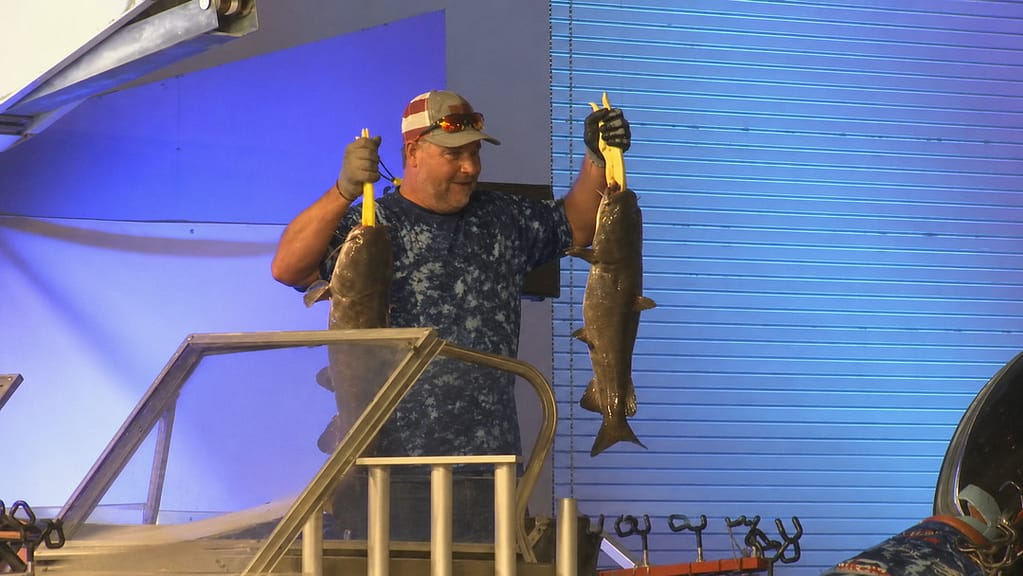
Blue catfish add another layer to the conversation. Big blues create excitement because they are powerful, photogenic, and capable of producing the kind of catches that travel well online. That matters in a media environment where attention is visual and immediate. A giant catfish at a weigh-in can do more for casual curiosity than a dozen quiet fishing reports.
How The Event Moment Breaks Down
A table helps show why the event matters beyond one weekend.
| Event Component | Why It Matters | Bigger Implication |
|---|---|---|
| Expo floor | Brings anglers, vendors, gear, boats, and tackle into one space | Catfishing has a growing commercial identity |
| Championship tournament | Adds pressure, rules, weigh-ins, and storylines | Competitive catfishing becomes easier to follow |
| Family atmosphere | Makes the sport approachable for younger anglers and casual fans | Long-term participation depends on access |
| Gear and boat presence | Shows how specialized catfishing has become | Serious anglers are driving product demand |
| Riverfront location | Keeps the event connected to real fishing culture | Place and water still define the sport |
The takeaway is simple: the event works because it connects the culture around catfishing with the business and competition behind it. That combination is where growth usually begins.
Why Gear Companies Should Pay Attention
Catfish anglers are demanding customers. They are not usually impressed by style alone. Rods have to handle heavy fish. Reels have to survive abuse. Boats need room, stability, storage, safety, and fish-care practicality. Tackle must work under difficult conditions, not just look good on a display wall.
That makes this audience valuable. Catfish anglers often buy with purpose. They compare, test, adjust, and talk to other anglers before trusting a product. When a brand earns that trust, the loyalty can be strong.
An expo environment turns that buying process into a live conversation. Anglers can see equipment, ask questions, meet companies, and compare setups. For brands that understand the sport, this is a real growth signal. Catfishing is not a generic outdoor category. It is a specialized lane with its own needs, vocabulary, and standards.
The Family Factor Should Not Be Overlooked
One of the smarter parts of the catfishing event model is the family angle. Outdoor sports last when they are passed down. A young angler who sees tournament boats, big fish, and experienced fishermen in one place may remember that moment far longer than a simple social media post.
Catfishing has an advantage here. It can be serious without becoming inaccessible. A beginner does not need elite equipment to understand the appeal. A bank spot, basic tackle, cut bait, and patience can still create a real fishing memory.
That accessibility is important. If catfishing becomes too focused on advanced boats, electronics, and tournament polish, it risks intimidating the next wave of anglers. The sport needs high-level competition, but it also needs open doors. The healthiest version of growth protects both.
What Anglers Should Take From This Moment
For everyday anglers, the lesson is not that every fishing trip needs to become a tournament. The better takeaway is that catfishing is gaining more shared knowledge, better events, and a stronger public conversation.
That should push anglers to think more seriously about patterns. Seasonal timing, water level, clarity, current, bait availability, and pressure all matter. Even derby-style fishing is shaped by conditions that reward preparation. For example, anglers watching changing water levels can find useful context in this piece on catfish derby season strategy because success usually comes from reading the water before everyone else does.
That is the part casual observers often miss. Catfishing rewards patience, but it also rewards analysis. The best anglers are not just waiting. They are interpreting.
The Risk Of Growing Too Fast
Every outdoor sport faces a trade-off when it gets more visible. More attention can bring better tournaments, stronger sponsor support, improved gear, and more opportunities for young anglers. It can also bring overcrowding, shallow promotion, and pressure to turn authentic culture into content.
Catfishing should avoid that trap. The sport’s strength is its directness. It is muddy, practical, regional, and deeply personal for many anglers. Growth should highlight those qualities, not sand them down.
Tournament organizers also have to protect competitive trust. Clear rules, consistent enforcement, safe boating expectations, and responsible fish care all matter. If bigger events want bigger attention, they need the standards to match. That is not a burden. It is part of the opportunity.
Where The National Catfish Expo Goes From Here
The National Catfish Expo shows why this is an important time for competitive catfishing. The sport has the fish, the personalities, the gear interest, the family appeal, and the tournament pressure to become more visible without losing its roots.
The next step is execution. Events need to stay credible. Brands need to serve real anglers rather than chase shallow trends. Media coverage needs to respect the skill involved. Anglers need to protect the culture by welcoming newcomers while keeping standards high.
That is why the National Catfish Expo feels bigger than one event on the calendar. It captures a sport becoming more organized, more watchable, and more commercially interesting at the same time. If catfishing handles that attention with discipline, what happens next could define the next era of competitive catfish fishing.


