
Fish behavior changes are no longer something anglers can shrug off as a weird bite window or one slow tide. NOAA’s latest assessments point to fish shifting where they find suitable water, especially along the U.S. East Coast and across the Southeast. For sport anglers, that means the old milk-run of spots still matters, but it needs a weather eye, a temperature log, and a willingness to move before the fish make you look stubborn.
I look at this like a tournament captain looks at a changing leaderboard. The fish are not reading our plans. They are reacting to temperature, bottom habitat, salinity, oxygen, and seasonal signals. NOAA’s work gives anglers a better starting map, not a magic pin. The practical win is learning how to turn those broad assessments into choices you can make at the ramp, on the drift, and during the last hour of daylight.
What NOAA Says About Fish Behavior Changes
Thermal Habitat Is Moving
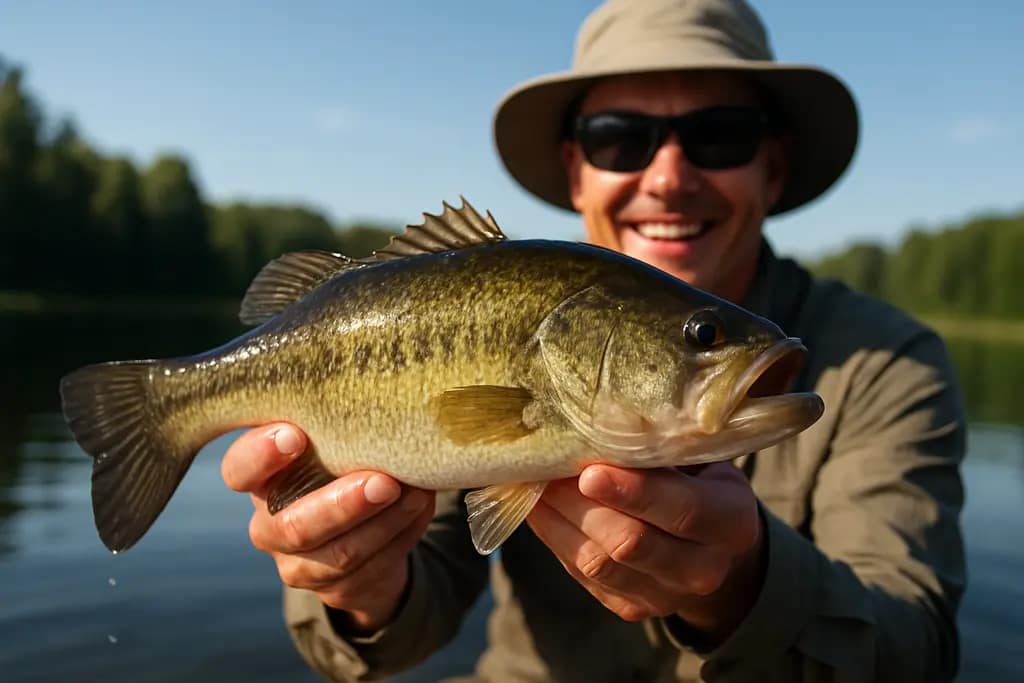
NOAA reported in September 2026 that key reef fish species, including black sea bass, summer flounder, and scup, are projected to shift suitable thermal bottom habitat poleward along the U.S. East Coast NOAA/AOML habitat modeling. That phrase sounds technical, but the fishing meaning is plain: the water on bottom that fits a species’ temperature needs may line up farther north than it used to.
For anglers, fish behavior changes tied to bottom temperature should change how you scout. If you fish wrecks, reefs, hard bottom, or channel edges, do not judge a spot only by its past reputation. Pair your favorite structure with recent water-temperature clues and local observations. A productive waypoint can still be worth checking, but if the thermal comfort zone has slid, the best life may be on a similar piece of structure farther up the coast, deeper, or closer to a temperature break.
Distribution Can Outrun Infrastructure
NOAA also notes that some of these species have already started moving from more southern habitats toward northern regions, where catch limits and fishery infrastructure may not match the new distribution NOAA/AOML habitat modeling. Sport anglers should read that as a planning signal. A marina, bait supply, cleaning station, or launch that served one fishery well may not be sitting in the best place if the fish push north.
These fish behavior changes can affect trip logistics as much as lure choice. Before a long run, confirm local regulations, ramp access, fuel range, ice, and safe return windows. If a species is showing farther from your usual port, the smarter move may be trailering to a better launch rather than burning half the morning in open water. Good anglers adapt tackle. Better anglers adapt the whole plan.
Turn NOAA Signals Into Better Trips
Build A Temperature-First Game Plan
The first adjustment is simple: treat bottom temperature as part of your pre-trip routine. You do not need to pretend you are running a research vessel. Start with the tools you already trust, then record what you see. Surface temperature at the ramp, bottom readings from electronics where available, wind direction, tide stage, water clarity, and catch depth all belong in the same log.
After five or six trips, patterns begin to show. Maybe the bites come when fish hold near a deeper edge after warm afternoons. Maybe a cooler pocket near an inlet keeps bait and predators closer to structure. The point is not to force one answer. The point is to stop blaming “lockjaw” every time fish slide 300 yards or drop 12 feet.
Adjust Depth Before You Abandon The Area
When the bite stalls, many anglers run to an entirely new zone. Sometimes that is right. But if NOAA is flagging thermal bottom habitat as a driver, your first move should often be vertical. Work the same general area at different depths before leaving fishable water. On reefs and ledges, that can mean shifting from the crown to the down-current base. In bays, it may mean leaving skinny flats for nearby troughs during heat stress or bright sun.
Try this short on-water sequence before pulling anchor or firing the outboard:
- Make one pass or drift across the shallowest active structure and note bait, marks, and water temperature.
- Repeat the pass on the nearest deeper edge, keeping the same presentation speed so the depth is the main variable.
- If marks appear but strikes do not, shorten leaders, downsize baits, or slow the retrieve before changing locations.
- Log the depth and temperature of every bite, even if the fish is not your target species.
This is not fancy. It is disciplined. The same mindset shows up in strong seasonal patterning, and it pairs well with deeper reading on water temperature fish stress when release care and trip timing are part of the plan.
Regional Clues For Southeast And East Coast Anglers
Vulnerability Does Not Mean Every Species Reacts The Same
NOAA assessed 75 species in the Gulf of Mexico and 71 species in the South Atlantic, finding that about two-thirds had high or very high overall vulnerability to climate-driven change NOAA Southeast vulnerability assessment. That is a big regional signal, but anglers should not turn it into a lazy rule that every fish will vanish from every traditional spot.
Vulnerability is a warning to pay attention. It does not replace local scouting. A species may react through timing, depth, location, feeding windows, or spawning movement. One fishery may feel the change as a slow shift in peak season. Another may feel it as more blank days between strong bites. Your job is to compare NOAA’s broad signal with your own logbook and local conditions.
Match Presentations To Movement
If fish are shifting poleward, sliding deeper, or changing their timing, presentation should follow behavior rather than habit. For black sea bass, summer flounder, scup, and similar structure-oriented targets, keep a flexible spread of weights, hook sizes, and bait profiles. A rig that worked in 40 feet may need more weight or a different angle in 70 feet. A drift that was perfect in one current line may miss fish holding tight to the cooler side of a contour.
For artificial lures, think in terms of contact and control. If fish are deeper, the lure must reach them without tumbling unnaturally. If fish are scattered, cover water with controlled drifts before slowing down on the best marks. If the bite window is shorter, rig rods before you leave the dock so the first good drift is not wasted tying knots while your buddy hooks up.
Using Fish Behavior Changes On Your Next Trip
Plan Like A Scout, Fish Like An Athlete
The best response to fish behavior changes is not panic. It is preparation. Before your next trip, pick one target species and write down three possible adjustments: a northern or nearby alternate area, a deeper backup zone, and a timing change tied to cooler water or stronger current. Then fish that plan with intent.
On the water, give each zone a fair test. Do not make two casts, see nothing, and declare the ocean empty. Check your electronics, watch birds and bait, feel the sink rate, and compare what is happening against the conditions you logged. Sport fishing rewards the angler who can change without flailing. There is a big difference between adapting and guessing.
Keep Conservation In The Routine
Environmental change also asks more from anglers after the hookset. If fish are deeper or stressed by poor conditions, handle them efficiently, follow current regulations, and release unwanted catch with care. NOAA’s assessments are aimed at understanding risk and management needs, but sport anglers are part of the same water story every time we launch.
My practical take is this: let NOAA sharpen your questions. Where is the right temperature? Has the species shifted from its old comfort zone? Is my favorite ramp still the best starting point? Am I fishing history, or am I fishing today’s water? Ask those questions every trip, and fish behavior changes become less of a surprise and more of a pattern you can work with.


