
HMS Tournament Reporting changed in 2026, and tournament teams need to treat paperwork like another performance station on the boat. If you can time a bait drop, clear a cockpit, and work a release cleanly, you can train your crew to capture catch data before the memory gets blurry and the dock talk gets loud.
The key shift for Atlantic Highly Migratory Species tournaments is timing and detail. As of May 5, 2026, tournament operators had to report all HMS catch, including landed and released fish, within 7 days after the tournament’s final day, according to NOAA Fisheries reporting rules. That affects events awarding points or prizes for HMS such as tunas, billfish, sharks, and swordfish. For competitive anglers, the best response is not panic. It is preparation.
What Changed In HMS Tournament Reporting
The practical change is simple: tournament reporting now asks crews and operators to be faster, clearer, and more specific. Operators still need the tournament basics lined up before the event: tournament name, dates, location, target HMS species, and operator contact information. Registration must occur at least 4 weeks before the event starts, so the paperwork clock begins well before the first spread hits the water.
The 7-Day Reporting Window
The 7-day post-event window means tournament directors need usable information quickly. Teams should not wait until the awards table to sort out releases, weights, lengths, or species notes. Build the habit during practice days: one person records, one person confirms, and the captain calls out the final entry before the boat resets. That is the same mindset I use in training circuits. Reps only count if the form is clean.
HMS Tournament Reporting also covers released fish, not just fish brought to the dock. That matters in release-heavy billfish events and shark or tuna tournaments where some fish may not be landed. If your team celebrates the bite but skips the release note, you are leaving the operator with a gap that must be fixed later.
Form Revisions From July 22, 2026
On July 22, 2026, NMFS published a notice about revised tournament registration and summary reporting forms under OMB Control No. 0648-0323. The changes included an updated target species list, vessel effort reporting by state residency, bluefin tuna catch by size class, clarification of which species require individual weight and length reporting, and questions about depredation of tournament catch by sharks, other fish, or marine animals Federal Register notice.
That last item deserves attention from anglers. Depredation is not just a story about the one that got chewed. If a shark, another fish, or a marine animal damages a tournament catch, the report may ask for that information. The crew should record what happened while the details are fresh: species targeted, time, general area allowed under event rules, whether the fish was landed or released, and what damage was observed.
Build A Reporting-Ready Tournament Team
A fit fishing team is not only strong in the shoulders and legs. It is organized under pressure. I like assigning reporting jobs the way I assign cockpit jobs. Nobody should be guessing who has the tape, who has the camera, who writes the release, or who confirms the species. A clear role sheet saves oxygen when the bite window gets spicy.
Assign Roles Before The First Bite
Set three reporting roles before lines in: recorder, verifier, and captain signoff. The recorder logs the catch or release. The verifier checks species, length or weight when required, and release status. The captain gives the final verbal confirmation. On smaller boats, one angler can hold two roles, but the responsibilities should still be named.
For bluefin tuna, the stakes are tighter. For tournaments including bluefin tuna, any bluefin that is landed or released dead must be reported by the permit holder or designee within 24 hours of returning to dock. That is separate from the operator’s tournament summary rhythm, so bluefin teams should keep permit-holder responsibility front and center.
| Task | Best Crew Owner | Timing |
|---|---|---|
| Tournament registration check | Operator or captain | At least 4 weeks before start |
| Catch and release log | Recorder | During fishing hours |
| Weight, length, or size class confirmation | Verifier | At landing or dockside check |
| Bluefin landed or dead-release report | Permit holder or designee | Within 24 hours of returning to dock |
| Post-tournament HMS catch summary | Tournament operator | Within 7 days after final day |
Run A Dockside Data Drill
Before tournament week, run a 10-minute drill at the dock. Call out a mock catch: species, landed or released, length, weight if used, time, vessel, and any depredation. Make the recorder enter it. Make the verifier catch one planted mistake. Then reset and do it again. It feels basic, but so does a plank hold until minute two.
Clean reporting depends on muscle memory. Keep a waterproof notebook or approved digital log within reach, but do not let technology become the only plan. Batteries die, screens glare, and wet fingers turn simple taps into comedy. A backup paper log can keep the crew moving.
Tactics For Anglers Before Lines In
Anglers do not need to become tournament administrators, but they do need to feed the system with clean information. The best teams I fish against have a rhythm: hook up, fight smart, identify early, record immediately, reset fast. Reporting is part of boat control, not a chore after the cooler opens.
Match Tackle Prep With Data Prep
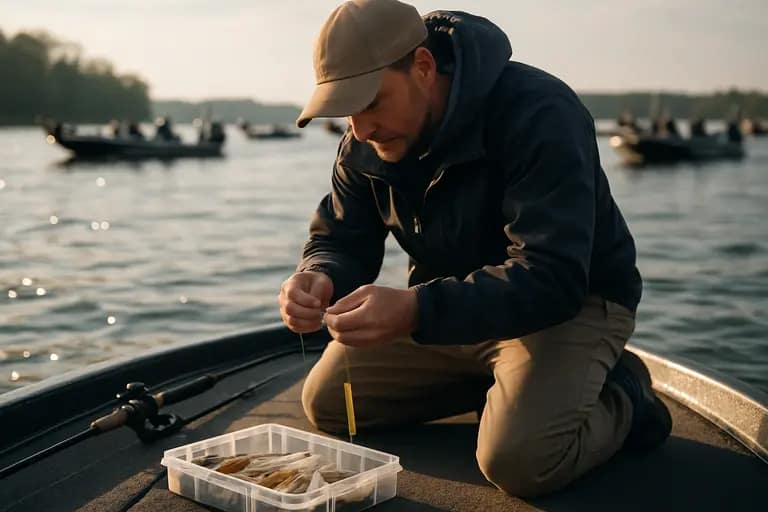
When you prep leaders, hooks, tags, measuring tools, and cameras, prep the reporting kit too. Put the measuring device where it can be used safely. Keep pens, backup pencils, log sheets, and device chargers in one dry spot. If the event uses release photos or dockside measurement, confirm the tournament’s instructions before the start.
HMS Tournament Reporting works best when the angler and mate communicate during the fight. Call out suspected species, but wait for confirmation before the final log entry. If a fish is released, record the release status right away. If a landed fish is weighed or measured, write the final number after the official process used by the event.
Use Rules Checks As Part Of Strategy
Rules checks can shape tactics. If a tournament targets multiple HMS species, the team should know which fish need individual length and weight details, how bluefin size class information is handled, and whether depredation questions apply. For a broader habit of reading fishery rules before trip planning, see our piece on NOAA fishing regulations.
This is where athlete thinking helps. A tournament crew is like a relay team. The angler may make the catch, but the handoff to the recorder has to be clean. Sloppy exchanges cost time, create stress, and can leave the operator chasing missing details after the event.
- Confirm the tournament registration date and target HMS species before practice starts.
- Assign recorder, verifier, and captain signoff roles before leaving the dock.
- Log landed and released fish during the day, not from memory at dinner.
- Flag bluefin tuna immediately so the 24-hour dock-return report is not missed.
- Record depredation details as observations, not guesses.
Why HMS Tournament Reporting Shapes Competitive Fishing
HMS Tournament Reporting is now part of the competitive skill set for Atlantic HMS events. It supports tournament operators who have firm deadlines, gives crews a cleaner way to document releases and landings, and helps anglers avoid last-minute confusion around bluefin, size classes, weights, lengths, and depredation notes.
My advice is to train it the same way you train gaff awareness, release positioning, drag discipline, or all-day core strength. Do short reps. Assign roles. Review mistakes without ego. Then fish hard. The teams that handle reporting calmly are the same teams that usually handle a hot cockpit calmly: they practiced before the pressure showed up.
For Atlantic HMS tournaments after the 2026 changes, sharp tactics now include sharp records. Make the log part of your tournament plan, and your crew will spend less time sorting out details after the final day and more time studying what actually helped you catch fish.


