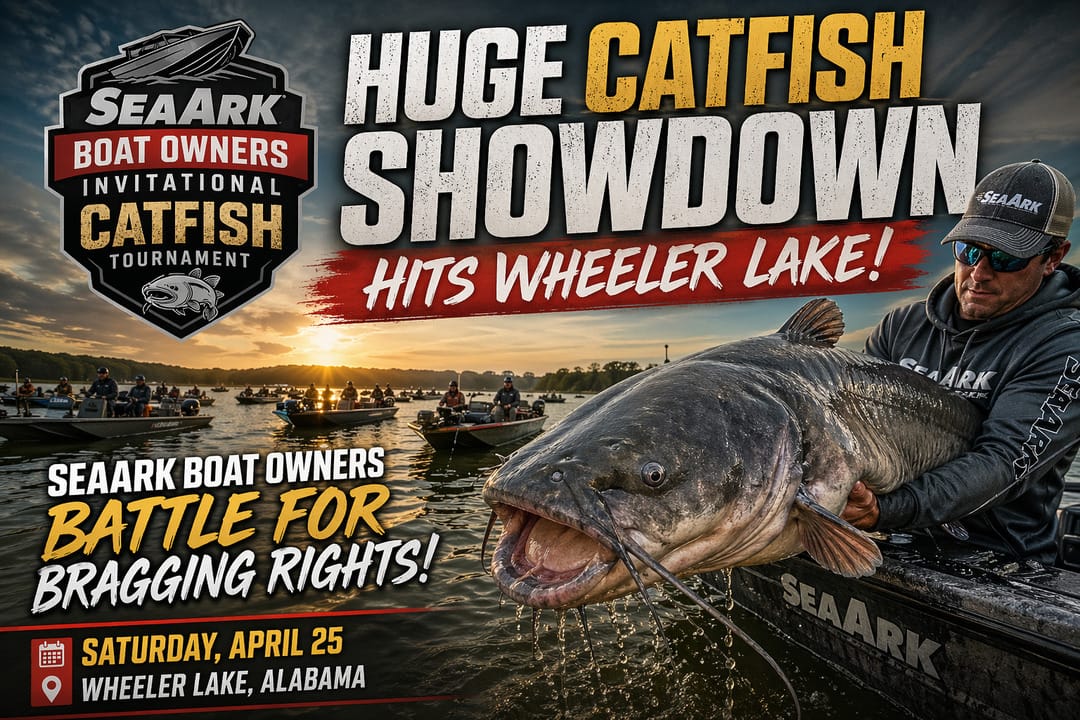

The SeaArk Boat Owners Invitational Catfish Tournament arrives at Wheeler Lake at a moment when competitive catfishing is becoming more organized, more technical, and more closely watched. For anglers who understand the Tennessee River system, a Saturday tournament on Wheeler Lake is not just another weigh-in it is a test of preparation, boat control, fish care, and local knowledge.
I see this event as part of a larger shift in freshwater tournament fishing. Catfish tournaments are no longer casual side contests built around luck and a cooler. They are structured, competitive events where boat owners, tournament teams, and serious river anglers bring professional discipline to a fishery that demands patience and precision.
Why Wheeler Lake Matters
Wheeler Lake, Alabama, is one of the most compelling tournament venues in the region because it offers scale, variety, and complexity. The lake sits on the Tennessee River and stretches across a broad north Alabama corridor, giving competitors access to river channels, flats, ledges, current seams, and tributary-influenced water.
That diversity matters. A successful catfish team on Wheeler must make decisions quickly: whether to chase current, anchor on structure, drift broader flats, or target transitional zones where fish may move with changing water conditions. In a tournament setting, those decisions are magnified. One productive stretch can define the day; one missed adjustment can cost a team the board.
For readers unfamiliar with the venue, the lake’s importance is easy to understand through the broader context of the SeaArk Boat Owners Invitational Catfish Tournament, which benefits from a reservoir known for size, habitat variety, and serious fishing potential.
Tournament Snapshot
The tournament day is scheduled for Saturday, April 25, with Wheeler Lake serving as the competitive arena. The event includes a captains meeting and a multi-day structure, giving participants time to handle rules, logistics, launch planning, and final preparation before lines hit the water.
| Event Element | Details |
|---|---|
| Tournament | SeaArk Boat Owners Invitational Catfish Tournament |
| Location | Wheeler Lake, Alabama |
| Tournament Day | Saturday, April 25 |
| Format | Boat-owner invitational catfish competition |
| Structure | Includes captains meeting and multi-day organization |
| Key Challenge | Reading Wheeler Lake’s current, structure, and fish movement |
What Makes This Tournament Different
The invitational format gives the event a more focused identity. This is not simply an open shoreline derby or casual weekend contest. It is built around boat owners and teams who understand how equipment, safety, and execution influence tournament results.
That distinction matters because catfish competition is uniquely demanding. Anglers often deal with heavy fish, changing current, long runs, anchor management, bait selection, livewell care, and precise timing. The best teams are rarely guessing. They arrive with a plan, but they also know when to abandon it.
The captains meeting is central to that process. It establishes expectations, clarifies rules, and helps create a level field. In competitive catfishing, rules surrounding boundaries, weigh-in procedure, fish condition, legal methods, and timing can shape strategy as much as bait or location.
The Strategy Behind A Wheeler Lake Catfish Win
A strong Wheeler Lake tournament plan begins before the first cast. Teams must account for water movement, recent weather, boat traffic, bait availability, and how catfish are likely using the reservoir at that point in the season.
Late April can create a fascinating strategic window. Fish may be active, but patterns can still vary widely by depth, temperature, forage, and current. Some teams may prioritize big-fish locations, accepting fewer bites in exchange for trophy potential. Others may pursue consistency, aiming to build a competitive bag through steady action and careful upgrades.
The most effective competitors usually balance both approaches. They identify areas capable of producing tournament-grade fish, then manage time with discipline. On a large reservoir, the temptation to keep moving can be dangerous. So can staying too long in dead water. The winning margin often comes from knowing the difference.
Key tactical considerations include:
- Locating current breaks where catfish can feed without wasting energy
- Targeting channel edges, humps, holes, and structure transitions
- Managing bait freshness and presentation throughout the day
- Protecting fish condition before weigh-in
- Timing runs carefully to avoid losing valuable fishing minutes
Why Boat Setup Matters
A SeaArk-focused invitational naturally brings attention to the boat itself. Catfish tournament boats are work platforms. They need room, stability, storage, livewell capacity, electronics, rod management, and enough reliability to handle a full day under pressure.
In my view, boat control is one of the most underrated factors in tournament catfishing. The ability to hold position, drift correctly, reset efficiently, and keep lines clean can separate disciplined teams from frustrated ones. On a lake like Wheeler, where wind, current, and traffic can all influence presentation, a boat is not merely transportation. It is part of the strategy.
Teams that understand their equipment tend to fish more efficiently. They lose less time. They make cleaner moves. They handle big fish better. In a tournament decided by weight, that efficiency becomes competitive currency.
The Role Of The Captains Meeting
The captains meeting may seem procedural, but it is one of the most important pieces of the event. It gives competitors the final framework for how the tournament will be conducted and reinforces standards that protect both fairness and fishery stewardship.
A well-run meeting typically helps clarify:
- Official start and weigh-in expectations
- Launch and return procedures
- Eligible fishing waters
- Safety requirements
- Fish handling and weigh-in rules
- Tournament communication protocols
For teams, this is the moment to remove uncertainty. A missed rule can be costly. A misunderstood boundary can become disqualifying. A late return can erase an otherwise strong day. Serious anglers treat the meeting as part of competition, not a formality.
Wheeler Lake Rewards Local Knowledge
Wheeler Lake is not a one-dimensional fishery. That is precisely why it can produce compelling tournament results. Its size and structure reward anglers who understand how catfish relate to moving water and seasonal transitions.
Local knowledge can be especially valuable, but it does not guarantee success. Tournament pressure changes behavior, and a pattern that worked during practice may fade by Saturday morning. Strong teams combine familiarity with adaptability. They know where fish should be, but they also know how to respond when the lake says otherwise.
That is what makes Wheeler such a credible tournament venue. It does not hand out easy wins. It asks competitors to interpret the water in real time.
What Spectators And Followers Should Watch
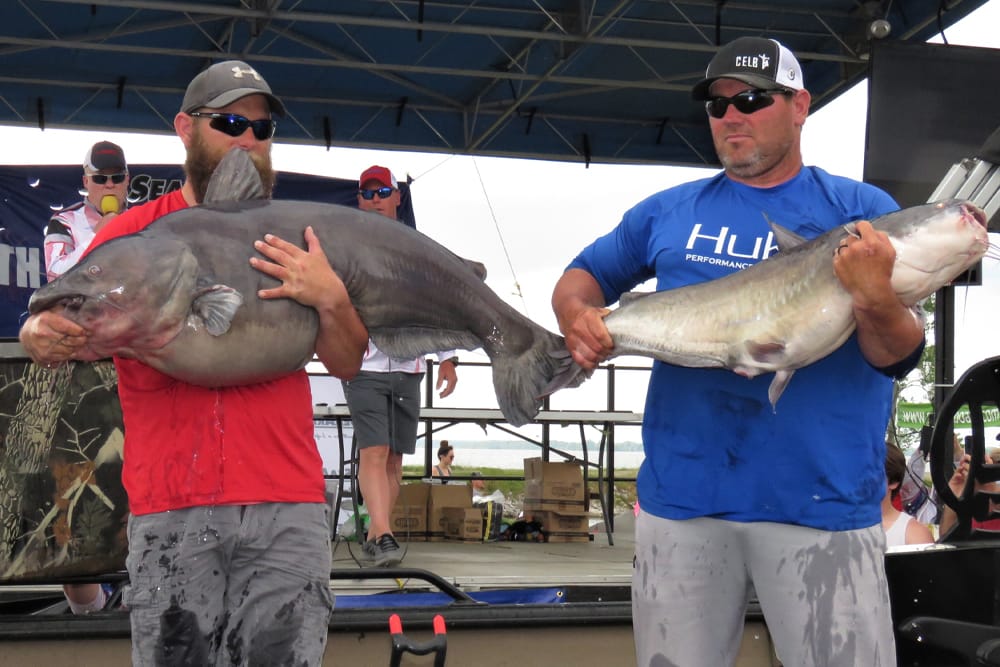
For anyone following the event, the weigh-in will tell the real story. Catfish tournaments can shift dramatically in the final standings because one large fish can change everything. A team with fewer bites may suddenly become a contender if one blue cat or flathead pushes the scale hard enough.
The most interesting questions are straightforward: Did the winning team run far or stay close? Did they target numbers or hunt giants? Did current dominate the pattern? Did shallow water produce, or did deeper structure hold the better fish?
Those answers reveal more than who won. They show how Wheeler Lake fished under tournament conditions.
A Tournament With Bigger Meaning
The SeaArk Boat Owners Invitational Catfish Tournament matters because it reflects the continued rise of organized catfish competition. Events like this bring structure, visibility, and respect to a branch of freshwater fishing that has long had passionate participation but less mainstream attention than bass or crappie circuits.
Wheeler Lake gives the tournament a serious stage. The multi-day structure gives it professionalism. The boat-owner focus gives it identity. Together, those elements create an event that is about more than a single Saturday weigh-in.
As competitive catfishing grows, tournaments like this help define what the sport is becoming: more strategic, more disciplined, and more visible. That is why this weekend matters right now not only for the anglers chasing weight on Wheeler Lake, but for the future of catfish tournament fishing across the region.


