

The Channel Catfish Classic Clear Lake arrives at a moment when competitive fishing is no longer just a weekend pastime; it is becoming a measure of regional identity, outdoor economics, and species-specific angling culture. A two-day approved catfish contest on April 25–26 at Clear Lake, California, gives the West Coast catfish scene something it has long needed: a focused stage with enough credibility to draw serious attention.
Why The Channel Catfish Classic Clear Lake Stands Out
I have watched fishing tournaments evolve from local bragging-rights events into structured, high-interest competitions with real economic and cultural weight. Bass tournaments have dominated that conversation for decades, especially at Clear Lake, but catfish competitions are beginning to claim a sharper profile.
That is what makes the Channel Catfish Classic Clear Lake so timely. Clear Lake already has a national reputation as one of California’s most important freshwater fisheries. Its tournament calendar is crowded, competitive, and highly visible. Placing a dedicated catfish event into that environment signals that channel catfish are not merely incidental catches or casual targets. They are becoming the center of a more organized competitive format.
The event’s approved status in California’s fishing-contest system also matters. It separates this tournament from informal gatherings and gives anglers, sponsors, and local businesses a clearer framework. In modern recreational fishing, legitimacy is part of the product. Anglers want a fair contest, communities want managed activity, and fisheries managers need visibility into organized pressure on public waters.
For readers tracking California fishing events, the official state contest listing for Channel Catfish Classic Clear Lake provides the clearest public record of the tournament’s approval, dates, target species, and location.
Clear Lake’s Role In California Fishing Culture
Clear Lake is not a neutral backdrop. It is one of the most recognizable freshwater fishing destinations in the West, known especially for bass, year-round angling pressure, and tournament activity. Its long shoreline, varied habitat, shallow productive zones, and strong forage base make it a natural arena for competitive fishing.
That history gives the Channel Catfish Classic added significance. Catfish tournaments at Clear Lake operate in the shadow of a bass-heavy legacy, but they also benefit from it. The lake already has the infrastructure that tournament anglers need: launch access, lodging, tackle services, food businesses, and a community familiar with visiting competitors.
What changes with a dedicated catfish contest is the lens. Instead of treating catfish as an afterthought in a broader freshwater discussion, the tournament asks anglers to evaluate the lake differently. Channel catfish reward patience, location discipline, bait knowledge, timing, and an understanding of bottom structure. A successful competitor is not simply lucky; he or she reads the water through a specialized tactical framework.
That distinction matters because catfish angling has often been underestimated by outsiders. The best catfish anglers are not passive bait-soakers. They study temperature shifts, feeding windows, current influence, bottom composition, wind direction, moon phase, and seasonal movement. At a lake as dynamic as Clear Lake, that knowledge can separate a casual catch from a tournament-winning pattern.
The Rise Of Serious Catfish Competition
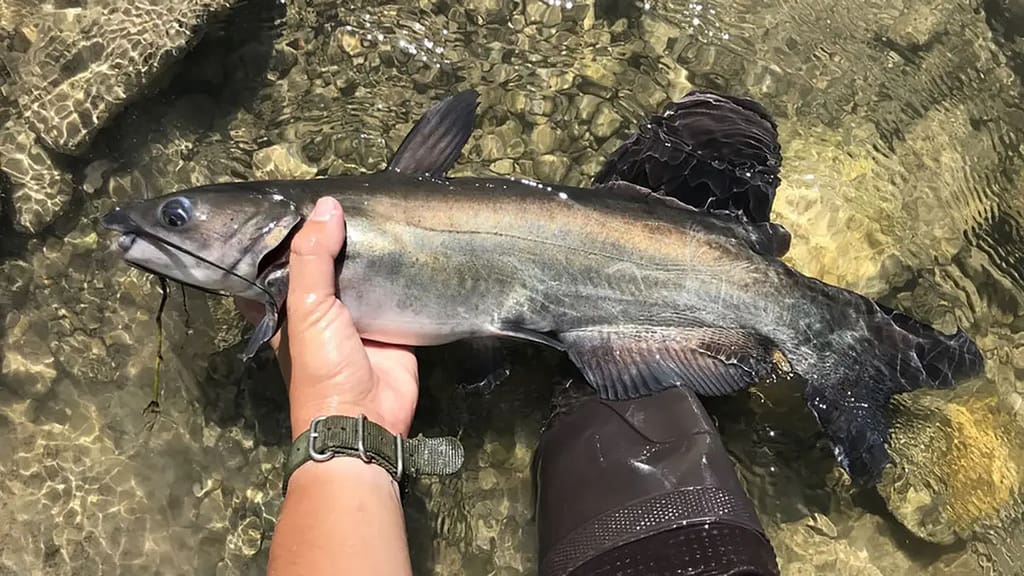
The growing profile of catfish tournaments reflects a broader shift in freshwater fishing. Across many regions, catfish are moving from the margins of recreational fishing culture toward the center of competitive attention. Anglers are investing in better rods, electronics, bait systems, landing gear, livewell setups, and tournament strategies.
California is an especially interesting market for that evolution. The state has world-class freshwater fishing, but its competitive identity has often tilted toward bass, trout, salmon, and saltwater species. A tournament like the Channel Catfish Classic broadens that identity by giving catfish anglers a more visible platform.
There is also a practical reason for the growth: catfish are accessible without being easy. They appeal to families, bank anglers, boat anglers, night-fishing specialists, and serious tournament teams. That range creates a broad base of participation, while the competitive format gives top anglers room to prove skill.
The best catfish events succeed because they balance inclusivity with seriousness. They can welcome anglers who grew up fishing from shore with simple bait rigs while still rewarding advanced competitors who understand tournament logistics, fish care, and precision targeting. The Channel Catfish Classic sits directly inside that opportunity.
Economic Impact Beyond The Weigh-In
A two-day tournament is never just about the fish. It creates a ripple effect across the host region, particularly in a destination like Clear Lake where outdoor tourism is central to local identity.
Visiting anglers spend money before they ever launch a boat. They buy fuel, bait, ice, food, lodging, tackle, permits, and last-minute supplies. Some arrive early to scout. Others bring family or teammates. Many return later if the experience is strong. That means a well-run tournament can function as both an event and a marketing engine for the lake.
This is especially valuable in shoulder periods when tourism patterns can be uneven. Fishing events help stabilize local spending by giving travelers a specific reason to come now, not someday. For small businesses near the water, that timing can matter as much as total attendance.
The most overlooked economic benefit is reputation. When anglers talk about a tournament, they also talk about the lake, the launches, the lodging, the restaurants, the organization, and the quality of the fishery. A strong event can turn competitors into repeat visitors and informal ambassadors.
What Anglers Are Really Competing Against
On paper, a catfish tournament is a contest among anglers. In practice, it is a contest against uncertainty.
Clear Lake can reward preparation and punish assumptions. Conditions can change quickly. Wind can reposition bait. Water clarity can alter presentation choices. Temperature shifts can affect feeding behavior. Boat traffic can influence accessible areas. Productive water one day may feel empty the next.
That is why the Channel Catfish Classic is more compelling than a simple weigh-in. Over two days, competitors must make decisions under pressure. They must decide whether to stay on a known pattern or search for better fish. They must balance patience with adaptation. They must manage time, bait, location, and fish handling while knowing that one larger channel catfish can transform the standings.
The two-day format adds depth. A single-day contest can reward a hot bite or one fortunate decision. A multi-day structure puts more emphasis on consistency, adjustment, and judgment. It forces anglers to prove that their approach can survive changing conditions.
That is where serious tournament fishing becomes analytical. The winning edge may come from a subtle depth change, a bait rotation, a less obvious shoreline, or the discipline to ignore crowded community holes. The best anglers are not merely fishing harder; they are reducing uncertainty faster than everyone else.
Fishery Management And Responsible Competition
Any modern fishing tournament must exist within a larger conversation about resource stewardship. Approved contests are part of that framework because they help organize activity in a way that is visible and accountable.
Responsible catfish competition depends on clear rules, ethical harvest practices, legal methods, safe handling, and respect for public access. These expectations are not cosmetic. They protect the credibility of the event and the future of the fishery.
Catfish can be resilient, but no fishery is unlimited. Tournament culture works best when it reinforces long-term thinking. Anglers, organizers, and host communities all benefit when events are conducted with attention to fish health, boating safety, invasive species prevention, and compliance with state regulations.
Clear Lake, like many California waters, also sits within a complex environmental context. Water quality, aquatic vegetation, invasive species concerns, shoreline use, and seasonal pressure all shape the fishing experience. A high-profile contest should not ignore those realities. It should help normalize the idea that competitive angling and conservation responsibility are not opposing values.
Why This Tournament Matters For The West Coast Catfish Scene
The Channel Catfish Classic has significance beyond one weekend. It gives West Coast catfish anglers a stronger competitive reference point and helps build a narrative around California catfishing that is more ambitious than casual recreation.
That matters because fishing cultures grow through events. Tournaments create stories, rivalries, expectations, benchmarks, and traditions. They give anglers something to prepare for and talk about. They give sponsors and communities something to support. They give newcomers a visible doorway into the sport.
For years, catfish culture has been stronger in some regions than others, particularly in parts of the South and Midwest where big-river and reservoir catfishing hold deep traditions. California has the fisheries and anglers to build its own version of that culture, but it needs events with structure and visibility.
Clear Lake is a logical place for that growth. Its name already carries weight. Its tournament ecosystem is mature. Its fishery is productive enough to support serious competition. A catfish-focused event there can help shift perception, proving that California catfish tournaments belong in the broader conversation about competitive freshwater angling.
The Bigger Opportunity Ahead
The future of the Channel Catfish Classic will depend on execution, participation, transparency, and the quality of the angler experience. A successful event can become more than an annual date on a calendar. It can become a fixture that attracts repeat teams, builds sponsor interest, and raises expectations for how catfish tournaments are organized in California.
The opportunity is real. Catfish angling has a wide participation base, a strong family-friendly appeal, and enough technical complexity to sustain serious competition. That combination is valuable. It allows the sport to grow without losing its roots.
For Clear Lake, the benefit is equally clear. A strong catfish tournament diversifies the lake’s fishing identity and extends attention beyond its bass reputation. That does not diminish bass fishing; it expands the story. It tells anglers that Clear Lake is not a one-species destination but a multi-dimensional fishery capable of supporting different forms of competitive excellence.
Conclusion: A Timely Test For California Catfish Angling
The Channel Catfish Classic Clear Lake matters right now because it arrives at the intersection of competitive fishing, outdoor tourism, and a rising appetite for species-specific tournaments. It gives catfish anglers a serious platform while giving Clear Lake another way to reinforce its standing as one of California’s defining freshwater destinations.
The risks are the same ones facing any growing tournament scene: uneven organization, resource pressure, and the challenge of turning early enthusiasm into lasting credibility. The opportunity is larger. If the event delivers a fair, well-run, memorable competition, it can help elevate catfish angling across the West Coast.
For anglers, the takeaway is simple: this is not just another weekend contest. It is a signal that California catfish fishing is becoming more organized, more visible, and more competitive. For Clear Lake, it is another chance to prove that great fisheries are not defined by one species alone, but by the depth of the angling culture they can sustain.


