Catfish anglers are always chasing small advantages, and right now few matter more than bait control. In moving water, windy reservoirs, and uneven bottoms, the difference between a productive presentation and a wasted cast often comes down to one simple decision: whether the weight stays put.
I keep coming back to no-roll sinker setups because they solve one of the most persistent problems in bottom fishing. They are not flashy, not especially new, and not complicated. But when conditions turn difficult, they remain one of the most practical and dependable rigs I can tie on.
Why Staying Put Matters More Than Ever
The appeal of catfishing has always been its deceptive simplicity. Put a bait on bottom, wait for scent to spread, and let the fish come to you. In reality, that strategy falls apart quickly when current starts moving a conventional weight, when wave action drags a bait off the mark, or when the bottom contour turns a tidy rig into a drifting mess.
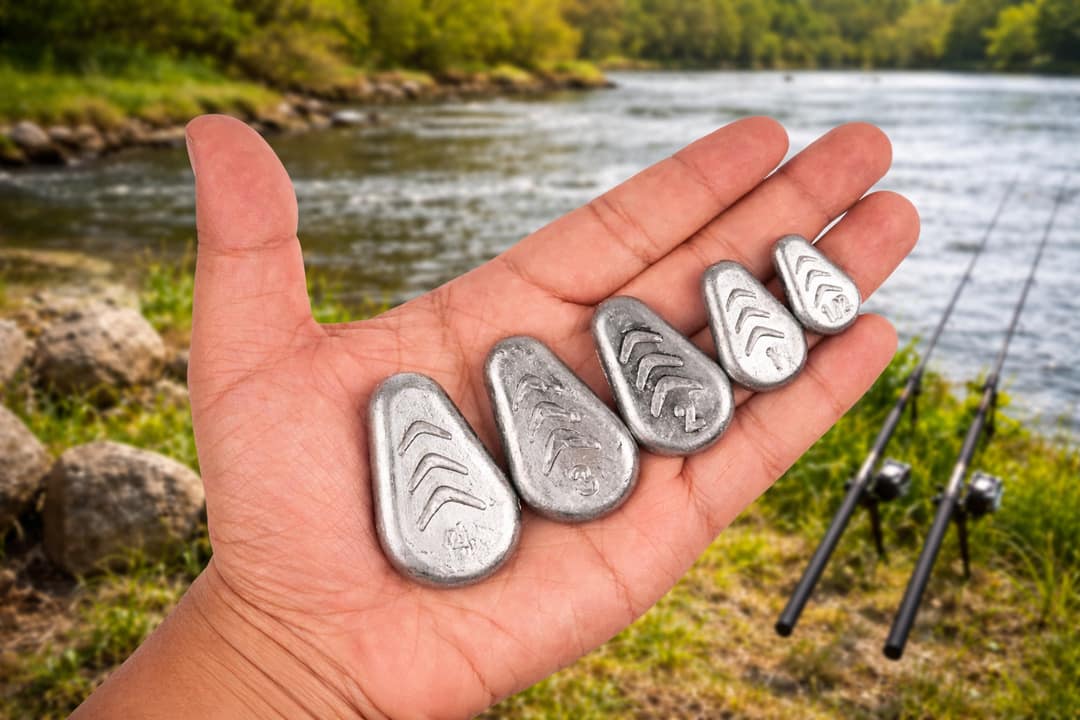
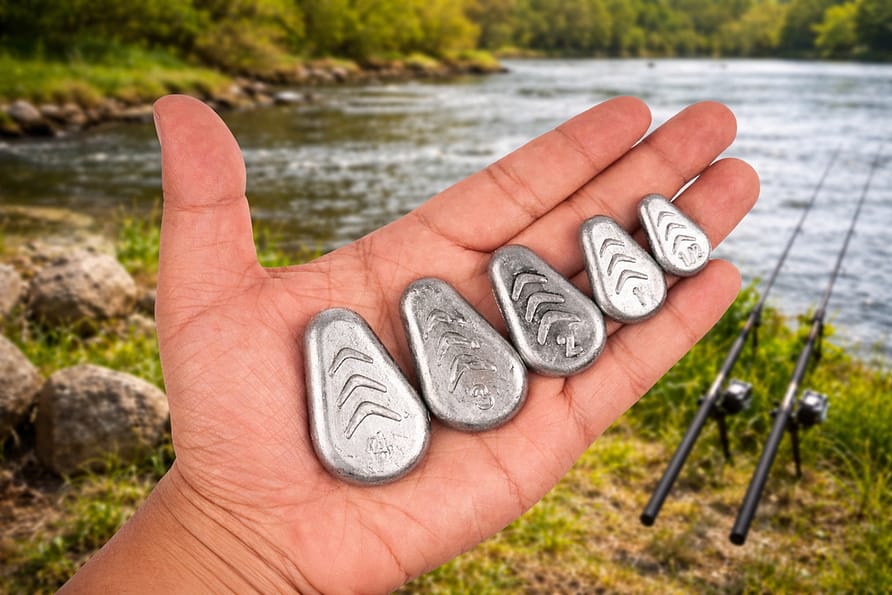
That is where the no-roll sinker earns its reputation. Its flat, compact profile is designed to resist movement. Rather than tumbling with the flow like a round or egg-style weight, it settles and grips. That single design difference changes the entire presentation. The bait remains in the strike zone longer, the line angle stays cleaner, and the angler gains a much more accurate sense of what the rig is doing.
For me, that control is the real advantage. Catfish often feed in predictable lanes, especially around current seams, drop-offs, holes, and structure edges. If the sinker cannot hold, the bait cannot stay in that lane. Once the bait drifts, the entire setup becomes less precise, less natural, and often far less effective.
What Makes A No-Roll Sinker Different
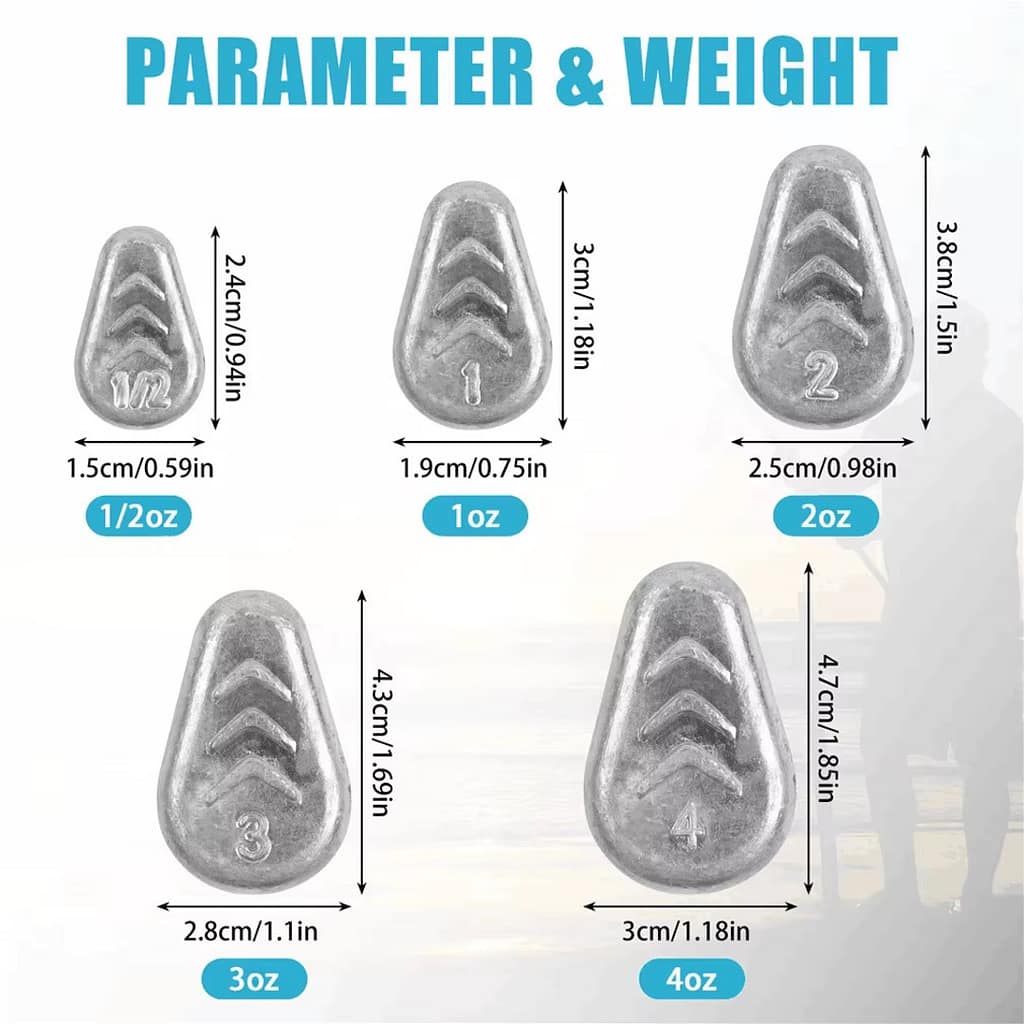
A no-roll sinker is built around stability. Instead of relying on bulk or sheer weight alone, it uses shape to reduce unwanted movement. On the bottom, it behaves more like a brake than a rolling object. That makes it especially valuable in rivers, tailraces, channels, and lakes exposed to strong wind.
I view it as a tool for disciplined presentations. The goal is not simply to pin a bait to the bottom at any cost. The goal is to hold it in a way that still lets the bait work. Scent can still wash downstream. A lively or fresh-cut offering can still pulse in current. The rig can remain responsive without becoming uncontrollable.
That balance is why this setup has endured. It offers restraint without making the presentation dead. In catfish fishing, that is a powerful combination.
The Basic Setup I Trust
Most of the time, I rig a no-roll sinker in a sliding setup that functions much like a Carolina rig. The sinker runs on the main line above a bead and swivel, followed by a leader and hook. That arrangement lets a fish pick up the bait without immediately feeling the full resistance of the weight.
Here is the basic structure I rely on:
- Main line matched to the size of fish and cover
- Sliding no-roll sinker
- Bead to protect the knot
- Barrel swivel
- Short leader, usually 12 to 24 inches
- Circle hook sized to the bait and target fish
I prefer this layout because it keeps the system simple and efficient. The sinker does its job on the bottom while the leader gives the bait just enough freedom to move naturally. In current, that modest movement often matters more than anglers realize.
When No-Roll Sinker Setups Work Best
No-roll sinker setups are not universal. I do not use them for every style of catfishing, and I would not choose one for a drifting approach where movement is the whole point. But in stationary presentations, they are hard to beat.
The setup shines in three situations above all. The first is current, particularly moderate to strong river flow where standard sinkers slide or spin. The second is wind-blown lakes, where surface chop can tug line and slowly reposition a bait. The third is broken or sloping bottom, where rounder weights tend to wander.
This is where the rig becomes more than a convenience. It becomes a tactical decision. Holding a bait exactly on the lip of a drop-off, just below a current seam, or beside a snag line can turn an ordinary session into a productive one. Catfish are opportunistic, but they are not random. Precision still matters.
Choosing The Right Weight
One of the most common mistakes I see is anglers treating sinker size as an afterthought. They either fish too light and spend the day drifting, or they go too heavy and create a clumsy, overbuilt presentation that reduces sensitivity.
I think of weight selection as a response to water movement, not a fixed formula.
| Conditions | Typical No-Roll Sinker Weight | Presentation Goal |
|---|---|---|
| Light current or calm lake | 1–2 oz | Hold bottom without overpowering bait |
| Moderate current | 3–5 oz | Maintain position and keep line angle manageable |
| Strong current or heavy wind | 6–10 oz | Prevent drift and stabilize the strike zone |
I start as light as conditions allow, then increase only when the rig cannot hold. That approach keeps the setup efficient. The best weight is not the heaviest one; it is the lightest one that still controls the presentation.
Why Short Leaders Usually Fish Better
Leader length is another detail that separates a functional no-roll setup from a frustrating one. In moving water, a long leader can make the bait look lively, but it can also create too much swing and drag. The result is often a presentation that no longer behaves as intended.
I typically stay in the 12- to 18-inch range when current is present. That shorter leader keeps the bait near the sinker, reduces tangles, and gives me more consistent control. If I want a little extra lift or motion, I adjust bait size or current angle before I dramatically lengthen the leader.
This is especially important around cover. A short leader helps the rig stay compact, which reduces snagging and keeps the hook where I want it. When catfish are positioned tightly to structure, that compactness can be the difference between fishing effectively and constantly retying.
Hook Choice And Bite Detection
No-roll sinker setups pair especially well with circle hooks. That combination favors patience over aggression. Instead of a hard hookset, I let the fish move off, come tight, and load the rod. Done properly, the setup often leads to clean hook placement and a more consistent connection.
That is one of the reasons I recommend this rig to anglers who want both efficiency and fish-friendly mechanics. The sinker anchors the presentation, the sliding system reduces immediate resistance, and the circle hook does the rest once tension builds.
Bite detection also improves when the rig is stable. A drifting setup can transmit confusing signals through the rod tip. A fixed, controlled presentation makes it easier to distinguish bottom noise from an actual take. That clarity matters, especially when catfish are mouthing a bait carefully rather than smashing it.
The Real Advantage Is Confidence
What keeps this rig relevant is not nostalgia. It is repeatability. On difficult days, I want a setup that removes variables rather than adds them. I want to know where my bait is, how it is sitting, and whether it is still in the productive zone.
No-roll sinker setups deliver that confidence. They are not glamorous, but they are disciplined. They encourage better casting decisions, more deliberate placement, and cleaner presentations. Those traits tend to produce results over time, especially for anglers targeting fish that often reward patience more than speed.
In my experience, anglers often underestimate how much time they lose to minor rig failures: a sinker that creeps, a leader that swings too wide, a bait that ends up several feet away from where it was meant to be. Eliminating those problems is not exciting, but it is effective.
Why This Matters Right Now
As more anglers focus on refined presentations and smarter rigging rather than brute-force tackle alone, no-roll sinker setups feel more relevant than ever. They answer a modern problem with a straightforward solution: better bait control in the exact conditions that make catfishing hardest.
That matters right now because productive water is increasingly pressured, and wasted casts are increasingly costly. When fish are holding in narrow feeding lanes, the ability to keep a bait pinned in place is more than a technical detail. It is a competitive edge. For anglers who want consistency rather than guesswork, this old-school rig still offers one of the clearest advantages in the sport.


