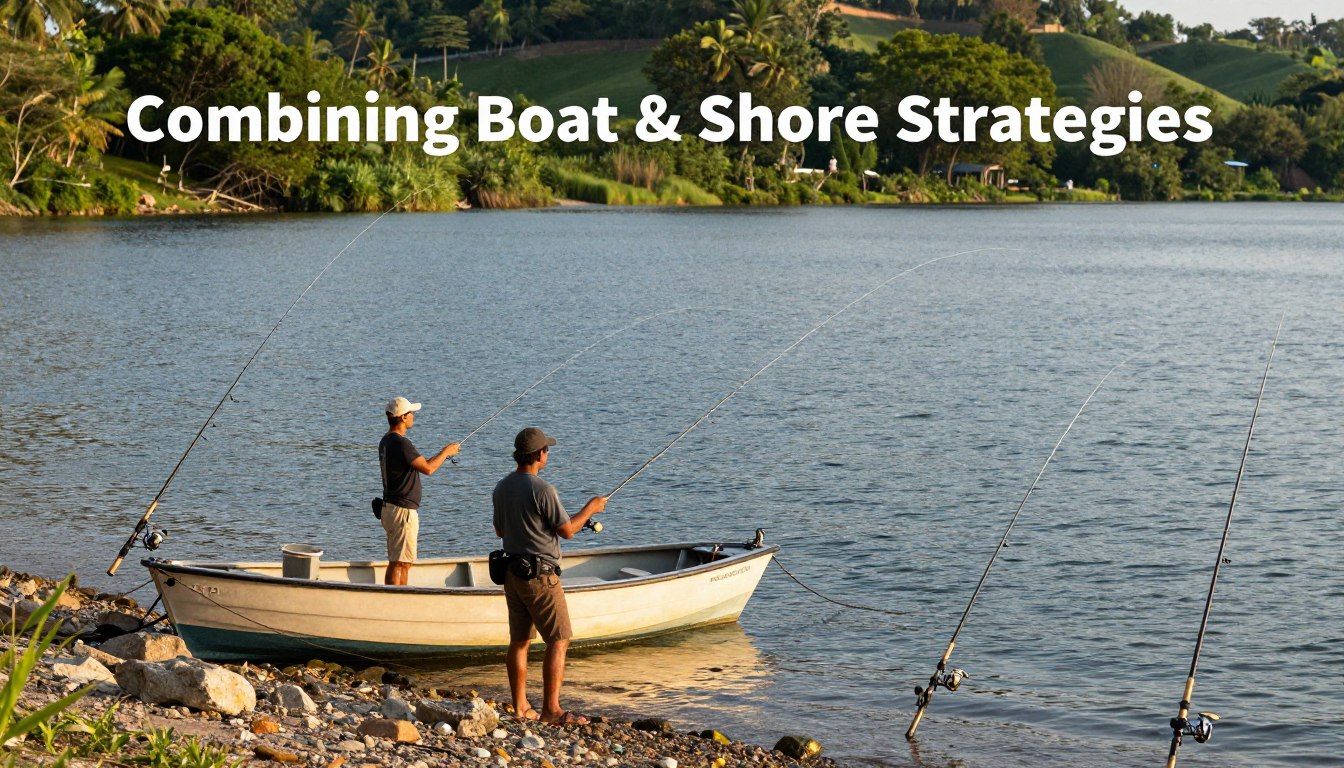
Most anglers see boat and shore fishing as two different worlds. Each side has its own fans, not wanting to agree with the other. But the best fishermen are like diplomats, not picking sides. They know that the key to success is understanding the fishing grounds.
Take the upcurrent rule, for example. It’s a rule that charter captains live by. They position their boats upcurrent of the target to catch more fish. This could be 30-90 feet away or starting 100-200 yards out. Fish gather around features that offer food and shelter.
So, whether you’re anchored or drifting, the right spot can make all the difference. Those who know both boat and shore fishing well come back with great stories. They don’t make excuses for not catching anything.
Adapting to Changing Conditions
Fishing is a dance with nature, and adapting to its whims is key. Every angler knows that the waters can change faster than a celebrity’s latest scandal. The ability to read the signs and adjust your strategy is what separates the casual fisherman from the seasoned pro.
Reading Current and Wind Interactions
Understanding how wind and current interact is key. Look for subtle signs when you’re on the water. Debris lines, current seams, and surface disturbances can reveal underwater currents that you can’t see. Think of them as nature’s breadcrumbs leading you to the fish.
To gauge the drift direction effectively, stop your boat upcurrent of your target area. Drift with the engines off for 30-60 seconds and observe how your boat aligns. This simple practice helps you understand whether the current or wind is dominant. The lay-to position of your boat will tell you everything you need to know.
The Lay-to Position Puzzle
The lay-to position isn’t just a fancy nautical term; it’s your boat’s way of communicating which force has the upper hand. Is it the current? Then your bow will point into it. If the wind is the boss, your boat will align with that instead. Recognizing this dynamic strategy is vital for success.
Many anglers struggle against their boat’s natural tendencies, often leading to frustration. Instead, treat these changing conditions like a negotiation. Adjust your scope ratios, and know when to switch from anchored precision to drift coverage. The key is to remain flexible and willing to adapt.
Mother Nature doesn’t play by the rules, and neither should you. Embrace the chaos, and you’ll find that fishing becomes not just a sport, but an art form. For more insights on adapting your fishing strategies, check out this resource.
Integrating Technology
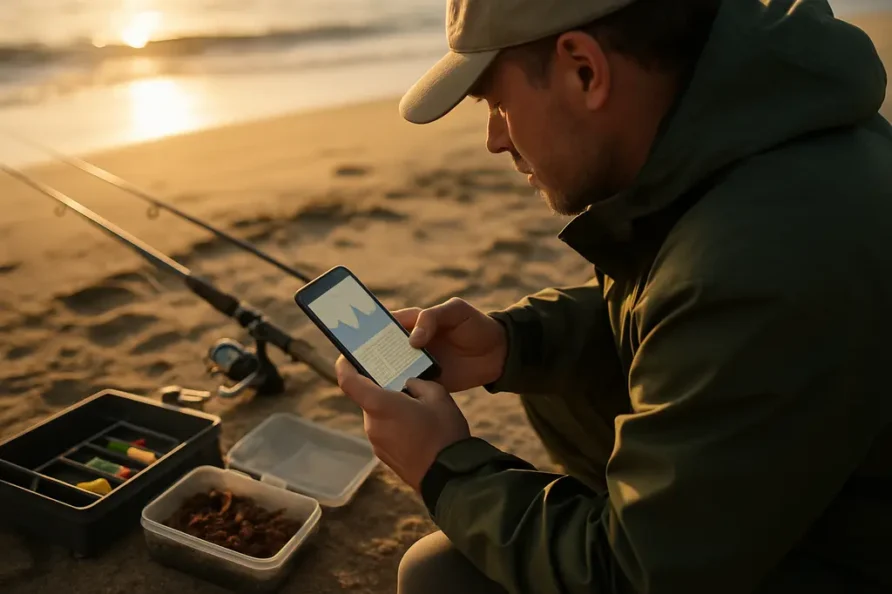
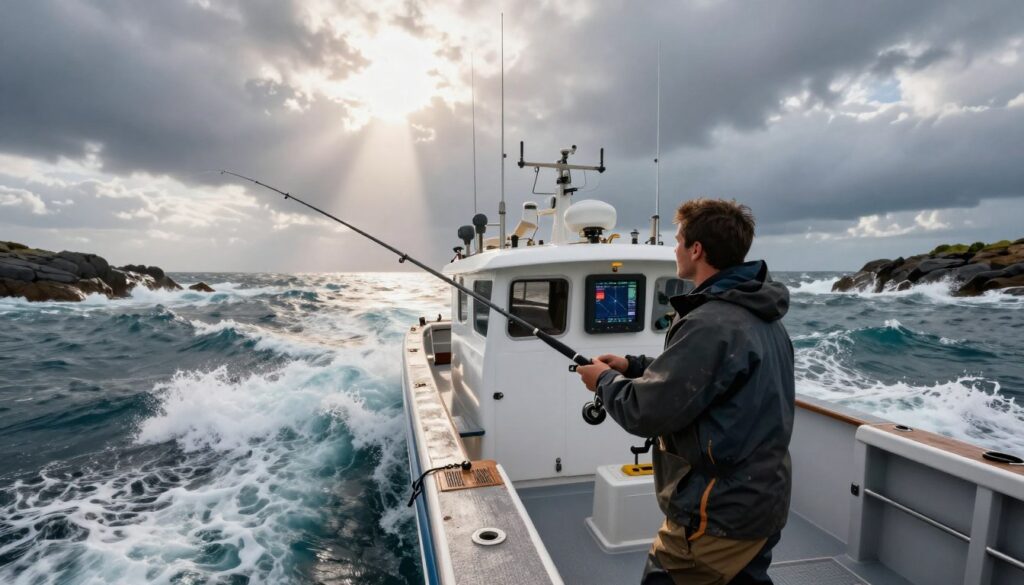
Technology has changed the game for anglers. Now, GPS and sonar make finding and catching fish easier. You can record GPS tracks to repeat successful drifts. No more guessing where to fish.
GPS and Sonar as Positioning Allies
GPS lets you mark important spots for future trips. Once you find fish, you can focus on the best area. This way, you spend more time fishing and less time searching.
Jason Christie uses YUM FF Sonar Minnow to catch fish by surprise. This shows how forward-facing sonar changes fishing. With the right tech, you can spot fish easily.
Forward-Facing Sonar and Real-Time Adjustments
Success in bottom fishing comes from knowing the underwater world. Advanced tech helps understand this world. Forward-facing sonar lets you adjust your plan in real-time.
Many captains see their electronics as tools to improve their skills. It’s not just about having the latest tech. It’s about using it to make your fishing better.
| Technology | Benefits | Best Use Case |
|---|---|---|
| GPS | Precise location tracking | Marking waypoints |
| Sonar | Underwater mapping | Locating fish |
| Forward-Facing Sonar | Real-time visibility | Targeting specific species |
Seasonal Adjustments
Fishing seasons are more than just weather changes. They tell us where fish will be. Knowing how fish interact with their environment all year is key for better fishing. Each season offers its own challenges and chances, making a dynamic strategy essential for success.
Migration Patterns and Temperature Breaks
Fish don’t have calendars, but they do have strong opinions on water temperature. These opinions change a lot, like in politics. What works in July might not work in December. Fish move based on temperature, and knowing these patterns is critical.
In warmer months, fish are in shallower waters, seeking comfort. As it gets colder, they move to deeper, warmer waters. Understanding these migrations can greatly improve your fishing.
For example, inshore fishing in summer means using lighter tackle. You’ll need 1-4 ounce sinkers and 6-12 foot leaders. Position yourself near structures at 30-60 feet up-current. But winter fishing is a different story.
Adapting Tackle and Positioning by Season
Winter offshore fishing is tough. You’ll face strong currents over 70 feet deep. Use 8-24 ounce sinkers and 2-6 foot leaders. Position yourself 60-150 feet from structures. The Gulf Stream doesn’t care about your feelings, and neither should you.
Standard bottom fishing usually needs 2-6 foot leaders. But for line-shy or pressured fish, extend your leader to 8-15 feet in clear water. This is where your strategy really pays off.
And don’t forget about cubera snappers. They need 15-30 feet of 130-150 pound leader. They fight hard and have complex relationships with structures. Seasonal adjustments are not just suggestions; they’re necessary for success.
Case Studies from Competitive Anglers
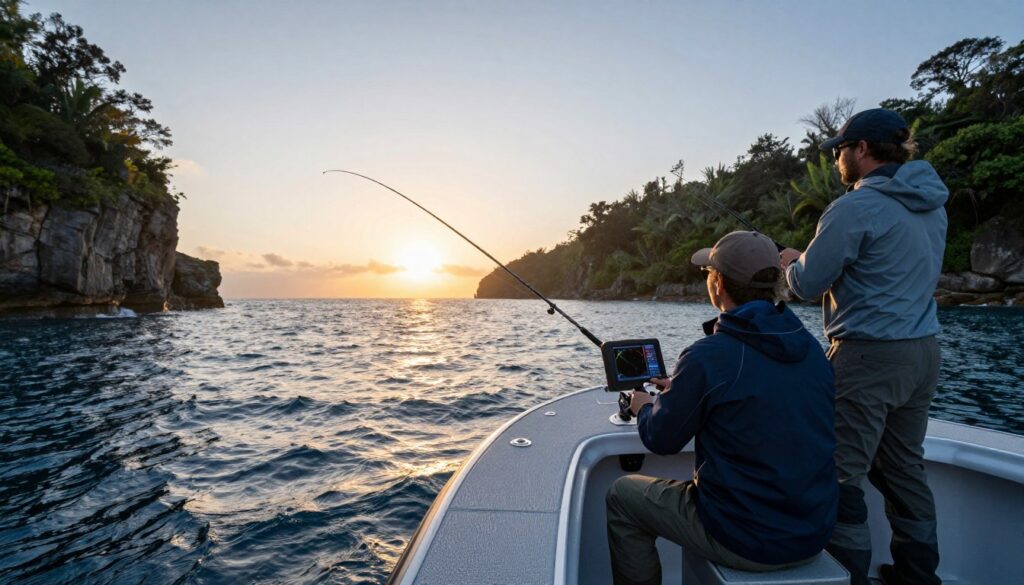
Learning from top anglers can boost your fishing skills. They use detailed positioning strategies that might seem too much but pay off big time. These methods are tested and perfected through competition.
Tournament-Tested Positioning Tactics
Many tournament captains use a dual anchor system. They set a main anchor upcurrent to do the hard work. Then, a lighter anchor fine-tunes their spot. This lets them control their boat’s position and present bait well over structures.
This small detail can make a huge difference. It’s what sets winners apart.
Lessons from the Leaderboard
Stemming the tide is another key tactic. Anglers use the engine to move slowly against the current. This slow movement lets them fish over structures for longer. It’s like enjoying a fine wine slowly.
Every second counts in fishing competitions. These strategies help make every moment over the structure count.
By learning from these experienced anglers, you can improve your fishing. Take a detailed approach to your fishing. The water deserves respect, and those who give it get rewarded.