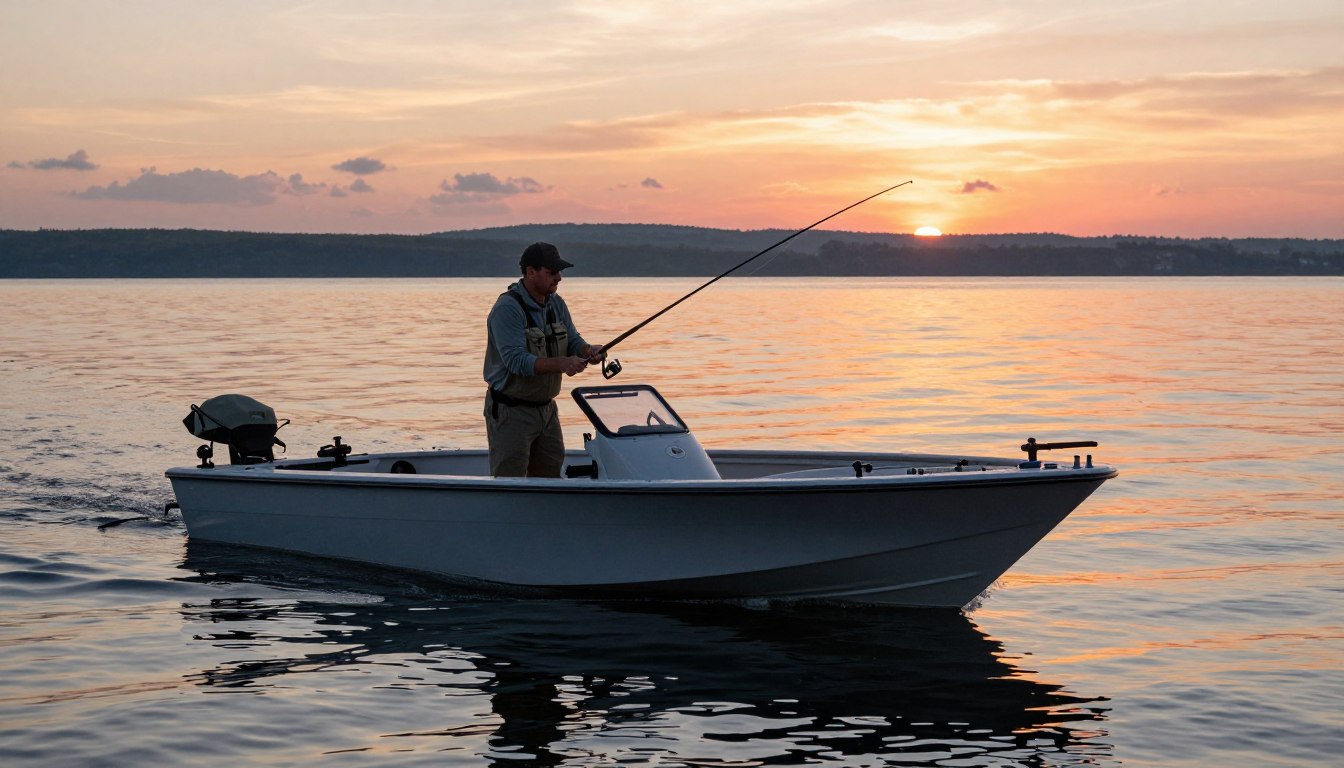
Most anglers don’t really focus on boat strategy. They know it’s important but don’t dive deep into it. I used to just float around, not knowing why the fish wouldn’t bite.
Then, I realized the ocean is like a stage, and the current is the director. If you’re not in the right spot, your bait is just a background extra.
The upcurrent rule is key, not just a suggestion. It can make all the difference between a great catch and a bad day. Whether anchored or drifting, your boat’s position is everything.
Think of it as a guide to fishing. The goal is to get the fish, and the means are where you place your bait.
In this section, we’ll look at two main ways to fish: anchored bottom fishing and drift bottom fishing. Each has its own tricks, like the differences between Shakespeare and Tolstoy. Anchored fishing keeps you in one spot, while drifting lets you explore more.
Choosing the right method depends on what you’re after. It’s all about knowing your target.
Understanding Water Currents & Wind
Water currents and wind are like the unpredictable dance partners of the sea. They sometimes work together and other times fight over your boat’s direction. Knowing how they work together is key for tactical boat positioning.
Current moves like the ocean’s conveyor belt, affecting bait and scent trails. Ignoring it is like ignoring a big problem. Experts say stemming the tide is a top way to control drift. By pointing the bow into the current, you can move slowly backward. It’s not about fighting the current; it’s about knowing how to move with it.
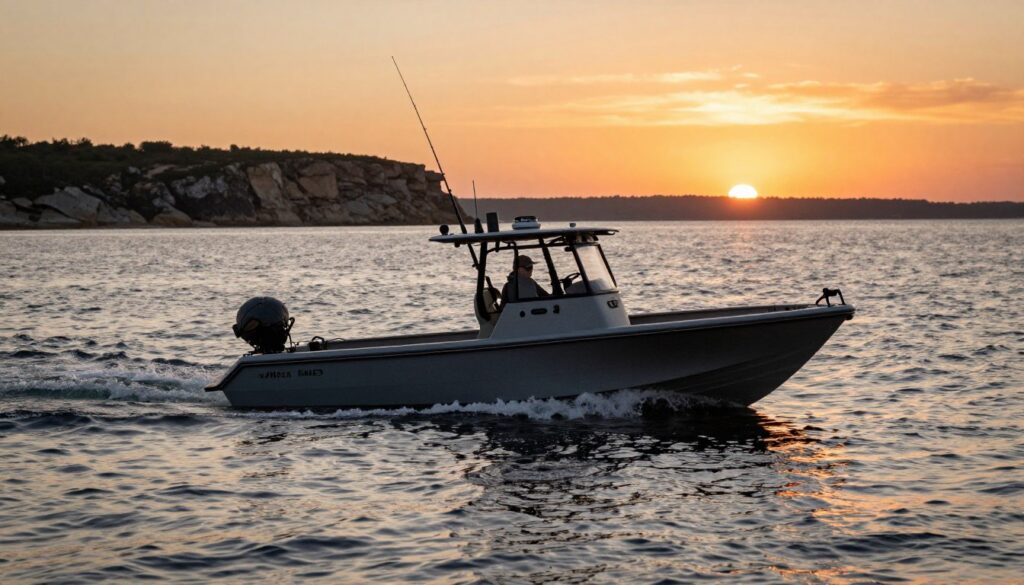
Wind plays a big role too. When it’s less than 20 mph, you can control your boat easily. But at 20 to 30 mph, things get tricky. The boat’s lay-to position is key, deciding whether to go with the wind or the current. It’s like choosing the right fight.
When dealing with these elements, remember it’s not about force. It’s about understanding the situation. Drift socks help keep control in tough conditions. And backtrolling in a tiller boat is like leading an orchestra in a storm.
If you’ve ever cursed the wind while your line went slack, this is for you. Let’s turn chaos into a dance, one adjustment at a time. With the right knowledge, you can move with the elements instead of against them.
Positioning for Different Species
Fishing is more than just casting your line. It’s about mastering tactical boat positioning. Each fish species has its own quirks that affect how you position your boat. For example, when fishing for cubera snapper, precision is key.
Position your boat 40-80 feet upcurrent of wrecks. This setup lets you use heavy drag and long leaders. It helps you outsmart these feisty fish before they hide.
Understanding how predatory fish behave is key. They often wait upcurrent of structures to ambush prey. So, wrecks and reefs are prime spots, with fish concentrated on their upcurrent sides.
But don’t overlook natural reefs and rock piles. Focus on their edges and broken areas. That’s where grouper and flounder like to hide.
Here are some fishing tactics to remember:
- Know your target: Different species have different preferences.
- Observe the structure: Wrecks, reefs, and ledges are your best friends.
- Adjust your position: Sometimes, being 20 feet closer or further can make all the difference.
Fishing is a mix of science and art, like applied behavioral economics with a hook. You must read the water like a pollster reads demographics. For cubera snapper, conventional wisdom might say stay away from wrecks. But when they’re hungry, that wreck is their dinner bell, and you want to be the one ringing it!
For more insights on fishing strategies, check out night vs. day fishing. It shows how time of day can change your tactics.
Using Electronics for Precision
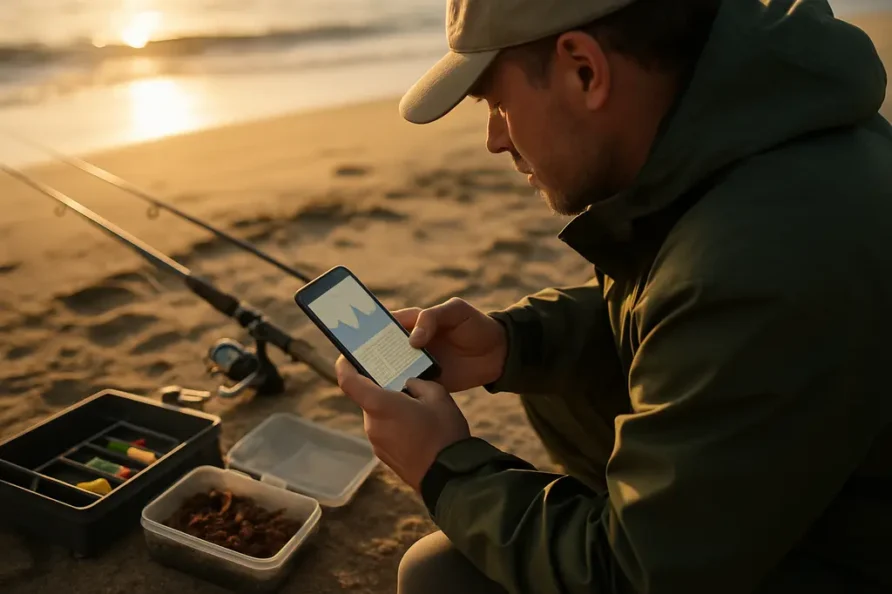
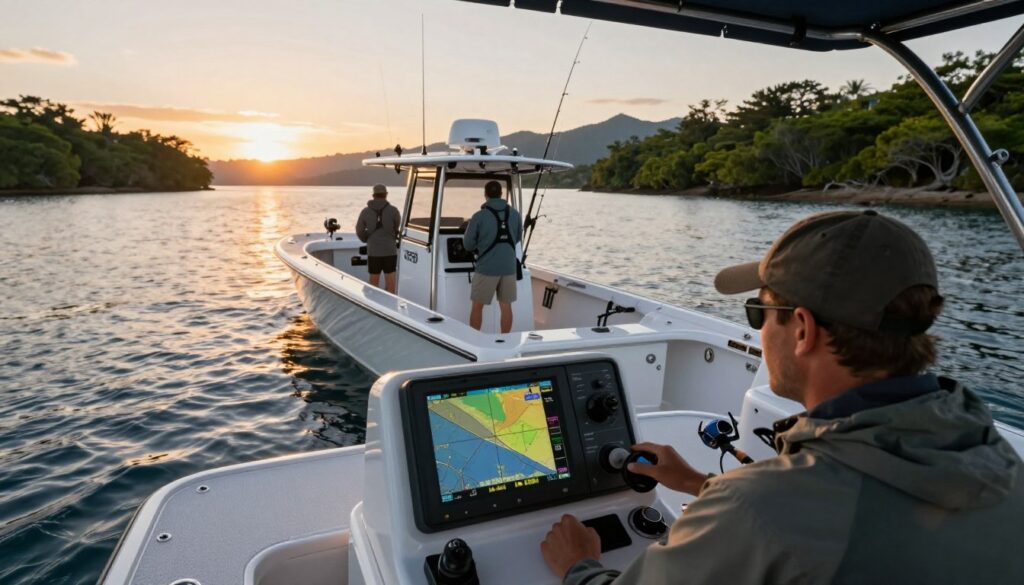
In the vast ocean, marine electronics guide us. They turn the sea into a detailed map. But, we must balance using them wisely. This balance is key to tactical boat positioning.
GPS track recording is a game-changer. It lets you repeat successful drifts with ease. You can mark important spots like a pro, making future trips easier.
It’s also important to watch your electronics closely. This lets you see underwater features coming. It’s vital for understanding the sea floor.
| Feature | Benefit | How to Use |
|---|---|---|
| GPS Track Recording | Replicate successful patterns | Mark waypoints for future trips |
| Forward-Looking Sonar | Identify structure ahead | Watch for approaching underwater features |
| Down-Looking Displays | Monitor what’s beneath | Observe bottom structure and fish |
Being precise is more than just marking a spot. It’s about seeing the sea as a three-dimensional space. Your boat is the key piece, and every move matters. While tech is important, don’t forget your fishing instincts.
For more on boat positioning, check out this article on bottom fishing. Also, learn how smart baits can improve your fishing. Staying informed is as important as having the right gear.
Real-Life Success Stories
Fishing is all about the stories we tell. Imagine a day on the Carolina coast with winds as loud as a debate. While others hid, we used our dual-anchor system to stay put. One anchor kept us steady, the other helped us adjust our spot.
We caught grouper like it was easy. This was what tactical boat positioning meant to us.
Then, there was the time over a deep ledge. A school of amberjack swam towards our jigs, like a surprise party. These moments make fishing more than just a hobby. It becomes an art.
These stories show how important boat control is. Not following the wind and current can be a letdown. Seasoned captains share how the right spot can lead to big catches.
They prove fishing is about strategy and skill, not just luck.
So, when you go fishing next, think of these stories. Position your boat well, and you might have a tale to tell. Every great fishing story starts with the right spot.