
Oregon Salmon Fisheries management actions in 2026 did more than tweak a rule sheet; they changed how serious anglers should build a tournament day. If your plan still starts with “run to the usual hole and sort it out later,” that plan is about as steady as a loose rod holder in a following sea.
As of September 21, 2026, several Oregon salmon rules were already active, and some had set end dates that matter for scoring, route choice, and crew communication. Tournament anglers do not need panic. They need a tighter pre-launch routine, better species identification, and a plan for stopping harvest before the cooler turns into a rule problem.
How Oregon Salmon Fisheries Rules Changed
NOAA Framework For Ocean Anglers
NOAA Fisheries issued a final rule on May 19, 2026 establishing the 2026-27 ocean salmon management measures off Oregon, California, and Washington. The rule set seasons, quotas, legal gear, zones, minimum lengths, and possession restrictions aimed at preventing overfishing and ensuring escapement NOAA ocean salmon measures. For tournament teams, that means the rule book is not background noise. It is part of the playbook, right alongside tides, fuel range, and net practice.
For Oregon Salmon Fisheries, the practical takeaway is simple: no team should rely on last month’s dock talk. Ocean measures can affect where a boat starts, which salmon may be retained, how many can be possessed, and whether a fish that looks perfect for the weigh station is legal to keep. A sharp crew treats regulations like a tackle system: every piece has a job, and one wrong piece can spoil the trip.
River Limits That Affect Tournament Cards
Oregon Department of Fish and Wildlife regulation updates added specific retention limits in several river and bay systems. From August 1 through November 30, 2026, the Siuslaw River mainstem and bay up to Lake Creek, the North Fork Siuslaw from the mouth to Meadows Bridge MP 11, and Sweet Creek from the mouth to the head of tidewater had a daily bag limit of one adult wild Chinook salmon, with no more than five adult wild Chinook retained for the full period ODFW regulation updates.
The Nehalem River mainstem and North Fork had a July 1 through November 30, 2026 daily adult wild Chinook bag limit of one fish, with five adult wild Chinook total for the period. From December 1 through December 31, 2026, all Chinook fishing in that Nehalem area was scheduled to close. In Nehalem River/Bay and North Fork Nehalem, from September 9 through October 28, 2026, on Wednesdays, Saturdays, and Sundays, the daily adult wild coho salmon bag limit was one fish, with up to three adult wild coho for the period, and a daily jack wild coho limit of one fish. In the Yaquina River and Bay and Big Elk Creek, from August 1 through December 31, 2026, total retention of adult wild Chinook salmon was capped at 10 fish for the entire period.
| Area | 2026 Effective Dates | Retention Rule From Research | Tournament Tactic |
|---|---|---|---|
| Siuslaw River, North Fork Siuslaw, Sweet Creek | August 1-November 30 | One adult wild Chinook daily; five adult wild Chinook for the period | Track cumulative harvest before entering any event window |
| Nehalem Mainstem and North Fork | July 1-November 30; December 1-31 closure | One adult wild Chinook daily; five for the period; all Chinook fishing closed in December | Build an alternate route before December dates arrive |
| Nehalem River/Bay and North Fork Nehalem | September 9-October 28 on Wednesdays, Saturdays, Sundays | One adult wild coho daily; three adult wild coho for the period; one jack wild coho daily | Assign one crew member to track weekday eligibility and species class |
| Yaquina River and Bay, Big Elk Creek | August 1-December 31 | Adult wild Chinook retention capped at 10 fish for the period | Protect later event options by not spending the whole limit early |
Build A Legal Tournament Plan Before Launch
Oregon Salmon Fisheries Pre-Launch Checklist
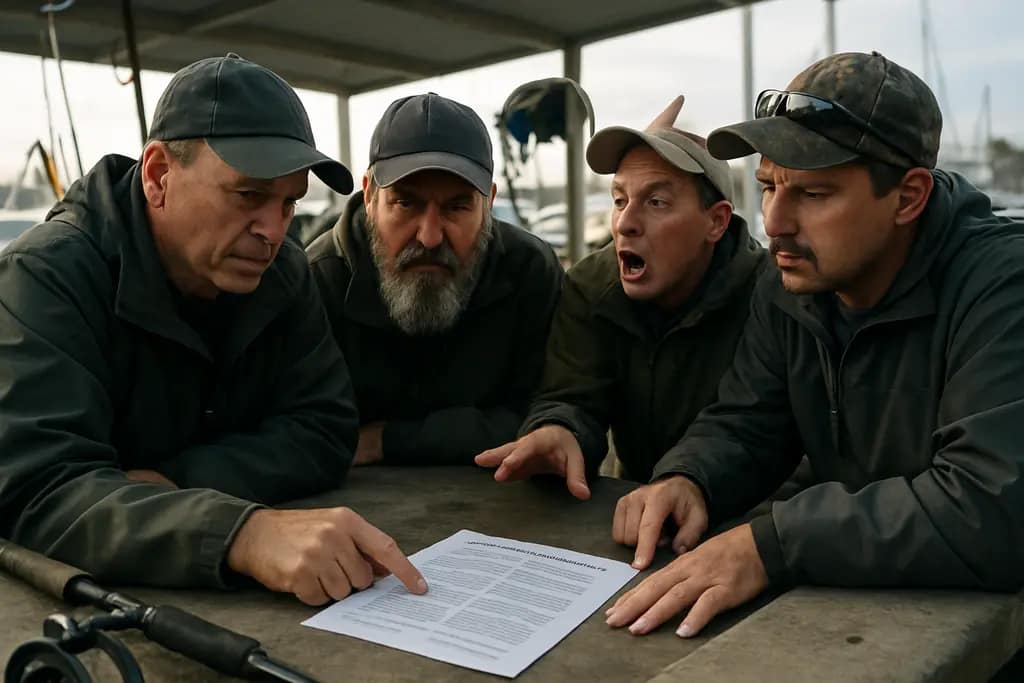
The best teams I know do not wait until the first fish is thrashing beside the boat to talk rules. That is like tying leaders after the bite starts. Set the plan while the rods are still dry, the crew is calm, and the captain can think without a net flying past their ear.
- Print or save the current regulation update for the exact area you will fish.
- Write the date range beside each target water so nobody mixes August, September, and December rules.
- Mark daily limits and full-period limits in separate columns on the boat log.
- Name one person as the rule caller before the first cast.
- Stop targeting a retained category once your legal limit or period limit is reached.
- Have a backup area selected before launch in case the first plan no longer fits the rules.
A tournament crew should also separate “legal to fish” from “smart to fish for points.” If a river has a tight full-period adult wild Chinook cap, burning a retained fish during practice may hurt a later event. That is not a conservation lecture from the cheap seats; it is tournament math. Anglers who compete across species can apply the same habit used in broader regulation changes for anglers: confirm the rule, write the limit, and make the whole crew repeat it before lines go in.
Gear Choices Under Tighter Possession Limits
Tighter limits reward clean decisions. Keep measuring tools accessible, not buried under rain gear. Put release tools where the netter can reach them without doing a boat-deck yoga pose. Label coolers or fish bags if multiple anglers are retaining fish under personal limits. None of this catches salmon by itself, but it prevents the chaos that turns a legal fish into a disputed fish.
Boat control matters here too. If the first legal fish fills a key retention slot, do not drift right back over the same lane without talking through the next move. Slide to water where a released fish can be handled quickly, or shift tactics toward scouting rather than filling the box. In practical terms, Oregon Salmon Fisheries rule changes make restraint part of competition skill.
On-Water Tactics For Lower Retention Windows
Fish Selectively, Then Move
Under lower daily and period limits, the first legal salmon is not always the fish you want to spend a tournament slot on. That sounds strange to anglers raised on “first keeper wins,” but event fishing is different. If your scoring format rewards size, condition, or species category, the captain and angler need a clear call before the fish is netted for retention.
Make that call early. If the fish is clearly not part of the scoring plan and release is allowed under the applicable rules, keep the fight controlled and the boat organized. If the fish is retained, record it immediately. The worst tournament arguments start with “I thought that was number four” while everyone else remembers a different count.
Handle Releases Like Points Depend On It
Even when a salmon is not retained, the crew’s handling should stay disciplined. Prepare the netter, clear the deck, and avoid turning the cockpit into a yard sale of loose pliers, leaders, and coffee cups. Fast decisions reduce confusion. A calm release routine also keeps the crew focused for the next pass instead of rehashing what just happened.
Lower retention windows also change practice days. Rather than treating practice as a harvest trip, use it to learn travel time, current seams, boat spacing, and how long it takes your team to reset after a hookup. That information becomes valuable on tournament day, especially where a full-period limit can affect future choices.
How Teams Should Record Fish And Adjust Routes
Assign Roles For Calls And Counts
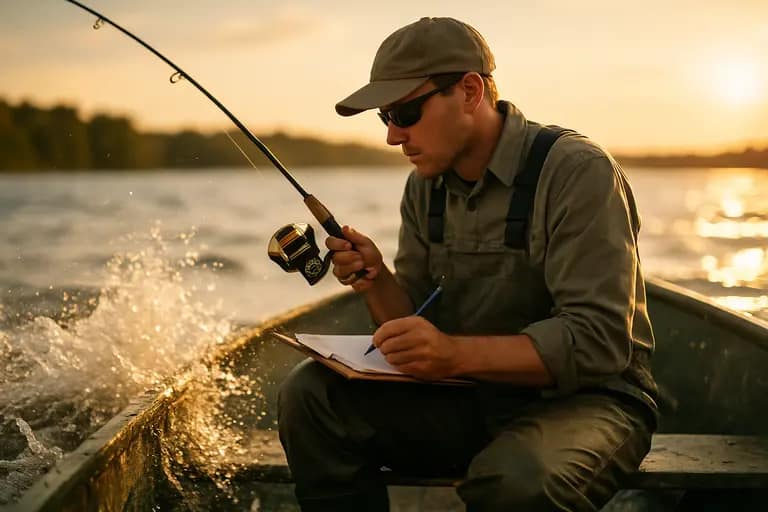
Every strong crew needs a captain, an angler, a netter, and a record keeper, even if two people wear all four hats. The record keeper should log date, waterbody, species, wild or marked status if relevant to the rule being applied, adult or jack category where the rule separates them, and whether the fish was retained or released. Keep it boring. Boring records save exciting tournament days.
Do not rely on memory after a hot bite. Salmon anglers are optimistic by nature, which is why we buy too many lures and believe every tide change is the one. Written counts beat confident guesses. If a full-period cap applies, the log should travel with the angler, not just the boat.
Practice Scenario Days
Before an event, run a short scenario drill. Ask the crew what happens if the first adult wild Chinook is retained at 7:15 a.m. Ask what happens if a coho is hooked on a date outside the open weekday set for that specific Nehalem rule. Ask where the boat goes if the intended area no longer fits the team’s retention plan. These drills feel nerdy until they prevent a mistake.
Route planning should also respect time. If an area has a strict full-period retention cap, tournament teams may choose to fish there only when conditions and scoring potential justify it. If not, save that opportunity. A disciplined team treats legal access like fuel: spend it where it helps most.
Oregon Salmon Fisheries Tournament Decisions
The 2026 management actions did not remove the fun from salmon fishing. They raised the value of preparation. Anglers who treat Oregon Salmon Fisheries rules as part of their tactics will make cleaner starts, smarter retention calls, and fewer rushed decisions at the net.
My advice is straightforward: read the active rule before each trip, write down the date range, name the crew member responsible for counts, and practice what you will do after the first retained fish. The anglers who adapt fastest will not be the loudest at the ramp. They will be the ones with a clear card, a calm crew, and a plan that matches the water they are fishing.


