
Ropeless Gear Regulations are not a catfish rulebook, and that is exactly why sport anglers should pay attention before the dock talk gets sloppy. The current federal action is centered on trap and pot fisheries, especially lobster, Jonah crab, and black sea bass gear, but the lessons reach every angler who shares water with commercial gear, marine mammals, enforcement patrols, and crowded chartplotters.
I look at this the same way I look at a new anchor system or a side-scan setting: learn what it does, learn what it does not do, then decide how it affects your day on the water. For big-cat crews, that means knowing where gear may be present without a surface buoy, understanding why some areas restrict vertical lines, and keeping your own boat operation clean enough that you are never guessing near another person’s set.
What Ropeless Gear Regulations Actually Cover
On July 16, 2026, NOAA’s National Marine Fisheries Service issued a Request for Information seeking public input by October 14, 2026, on voluntary uses and management of ropeless fishing gear in the Greater Atlantic Region Federal Register notice. That action did not create a blanket rule for recreational catfish anglers. It asked for information on how on-demand gear could be used and managed, especially where vertical buoy lines create marine mammal entanglement concerns.
The same notice ties into a longer deadline: under the Consolidated Appropriations Act, 2023, NMFS must put new regulations in place by December 31, 2028, for lobster and Jonah crab fisheries to protect marine mammals using innovative gear technology, including ropeless systems. That is a real planning date, not tackle-shop rumor.
Ropeless Gear Regulations In Plain Terms
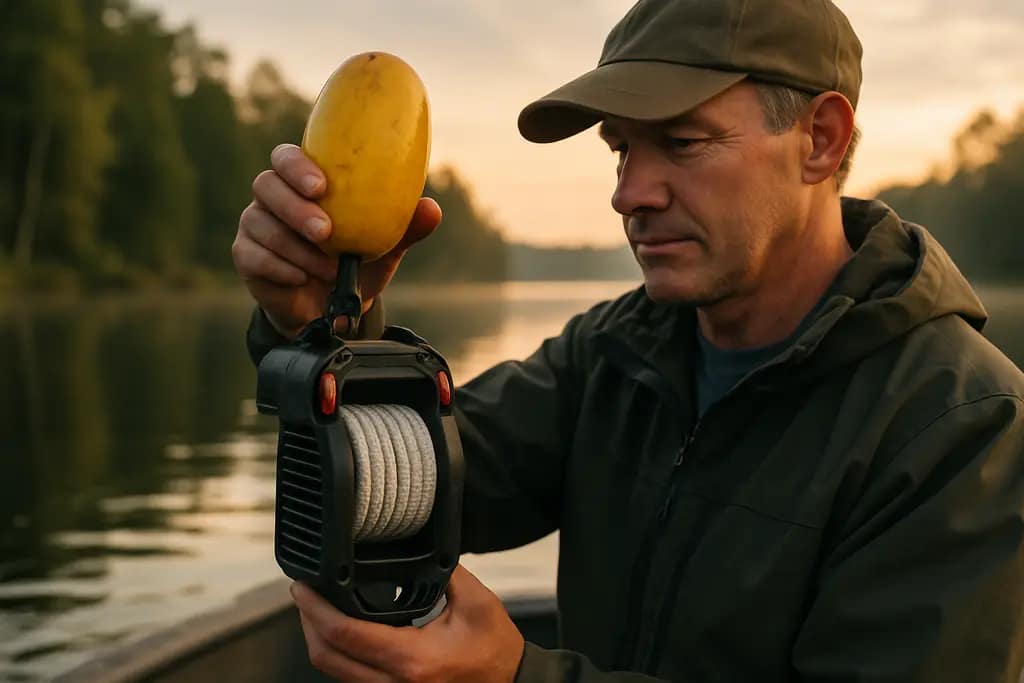
The useful way to read Ropeless Gear Regulations is this: they focus on how trap and pot gear is retrieved without leaving a persistent line from the trap to a surface buoy during the soak. NOAA’s on-demand framework describes systems that can bring gear to the surface using devices such as lift bags, inflatable flotation, or buoyant spools, with release methods that may involve acoustic signals, timers, or grappling gear NOAA On-Demand Gear Guide.
That matters because a buoy line you can see is also a line that can remain in the water column. Removing that persistent vertical line changes how commercial gear is marked, found, retrieved, and avoided. For a recreational boat, the immediate takeaway is simple: do not assume absence of a buoy means absence of gear.
Why Catfish Anglers Should Still Care
Most big-cat fishing is built around rods, rigs, sinkers, anchors, drifting, and boat control, not lobster trawls or black sea bass pots. Still, responsible anglers need situational awareness. If you trailer to coastal rivers, brackish systems, or ports where commercial trap and pot fishing operates nearby, you may share ramps, channels, and transit lanes with crews testing or using on-demand systems.
The habit is familiar: check regulations before a trip, verify local closures, and do not rely on memory from last season. If you already track creel limits and seasonal rule changes for freshwater trips, the same mindset applies here. For a catfish-specific planning habit, I like pairing gear checks with a quick rule check, much like the process covered in fishing regulations changes for cleaner trip planning.
Gear Systems Anglers May See On The Water
On-demand gear is not one single gadget. Think of it as a category of retrieval systems designed to remove the always-present buoy line while still allowing the operator to recover gear. Some devices store buoyant line or flotation near the gear until triggered. Others use lift components that bring the set up when commanded. The goal is retrieval without a surface buoy marking the location during the entire soak.
NOAA published its On-Demand Gear Guide in January 2025 and updated it in March 2026. The guide lays out steps for allowing fishermen to use systems without surface buoys in areas closed to gear with vertical buoy lines under the Atlantic Large Whale Take Reduction Plan. That tells anglers two things: the work is active, and the rules are being built around specific fisheries and restricted areas rather than a single coast-to-coast recreational standard.
Retrieval Methods Worth Recognizing
From a sport-fishing seat, you do not need to repair these systems, but you should recognize the operating idea. If a commercial vessel appears to be working a location with no obvious buoy, give it room. A crew may be recovering gear released from the bottom or preparing to trigger a device. Crowding that operation with a drift line, planer board spread, or anchored catfish setup is asking for conflict.
Boat handling is the practical skill here. Keep your drift predictable, call out gear activity to your crew, and avoid dragging sinkers or anchor lines across working vessels. On a busy channel edge, I would rather reset a drift than gamble with someone else’s gear and my own lower unit. Good anglers are not just good casters; they are good neighbors on the water.
Digital Marking And Plotter Awareness
Digital gear marking is one of the biggest behavior changes tied to on-demand systems. NOAA’s framework includes work on gear location data, visualization, and enforcement readiness so vessel operators and enforcement can identify gear without relying on a surface buoy. The research notes show NOAA expects data specifications and best practices to be finalized by late 2026.
For recreational crews, that does not mean your weekend fish finder will magically show every pot. It does mean chartplotter awareness will matter more as the system matures. Keep software and mapping tools current when you can, pay attention to notices from management agencies, and train yourself not to treat blank water as empty water. That mindset fits catfishing too: the best crews read current seams, bottom changes, boat traffic, and human activity as one complete picture.
Regulatory Timeline And Practical Prep

The rule path is moving in stages. Some items already happened before September 30, 2026, while other deadlines still sit ahead. The safest reading is to separate past actions from future compliance dates and avoid assuming that a test program equals a permanent legal opening.
| Date | Action | Practical Meaning For Anglers |
|---|---|---|
| January 2025 | NOAA published the On-Demand Gear Guide. | Federal managers laid out a path for gear without surface buoys in restricted buoy-line areas. |
| March 2026 | NOAA updated the gear guide. | Performance standards, marking, and data work continued into 2026. |
| July 16, 2026 | NMFS issued a Request for Information. | Public input was requested by October 14, 2026, for voluntary use and management ideas. |
| September 28, 2026 | NOAA issued South Atlantic final rules affecting on-demand black sea bass pot stowage while transiting certain areas. | The effective date is October 28, 2026, so affected operators needed to prepare for that date. |
| December 31, 2028 | NMFS faces a mandate for new lobster and Jonah crab fishery regulations. | Longer-term gear planning is still underway for those fisheries. |
Key Dates To Put On Your Checklist
If you fish around commercial ports, put October 14, 2026, October 28, 2026, and December 31, 2028, in your notes. Those dates do not all apply to the same people, but they show the pace of change. The October 14 date relates to the Request for Information. The October 28 date is the effective date for the South Atlantic stowage rule noted in the research. The 2028 date is the federal deadline tied to lobster and Jonah crab protections.
For sport anglers, the action is not panic buying. The action is awareness. Read agency notices for the water you fish, ask local marine patrol or fishery offices about closures, and check ramp bulletins before assuming last month’s access pattern still applies.
Boat-Ramp Habits For Recreational Crews
Here is the practical routine I would use before any trip near active trap or pot fisheries:
- Check the latest fishery notices for the state or federal waters you plan to run.
- Look for restricted areas, marine protected areas, spawning zones, or whale-related closures before launch.
- Keep extra distance from commercial vessels working gear, especially where no surface buoy is visible.
- Mark your own anchor drops, drift lines, and hazards clearly on your plotter so you can repeat clean passes.
- Brief your crew before lines go out: if gear work appears nearby, rods come in and the boat moves first.
That list may sound basic, but basic is what saves trips. The angler who can adjust a Santee rig but ignores boat traffic is only half prepared. Gear mastery includes reading the whole waterway.
Ropeless Gear Regulations For Big-Cat Crews
Ropeless Gear Regulations should be treated as a shared-water issue for catfish anglers, not as a reason to guess at commercial rules. If you are fishing inland reservoirs far from trap and pot fisheries, your day-to-day gear choices may not change. If you run tidal rivers, coastal channels, or mixed-use waters, your awareness should change right now.
The best move is to keep your catfish setup sharp while improving your situational discipline. Rig rods before launch, keep anchors and ropes controlled, avoid drifting blindly through working areas, and make room for vessels handling gear that may not be marked by a buoy. That is not fancy. It is clean, courteous boat work, and it keeps your focus where it belongs: finding current, bait, structure, and the next heavy blue cat bite.


