
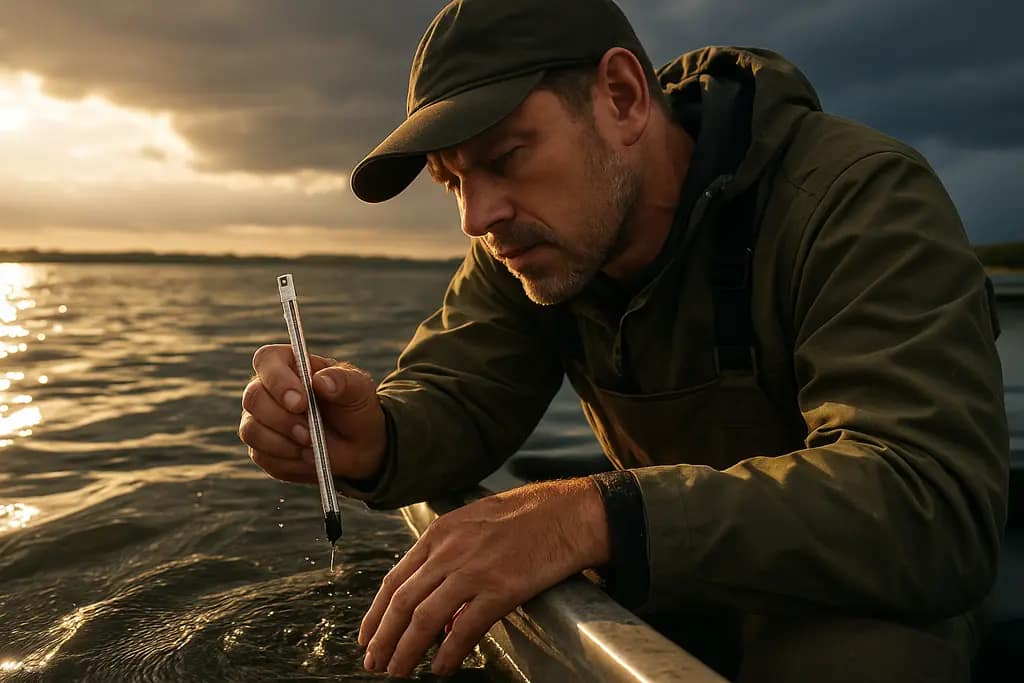

Atlantic mackerel tactics are no longer as simple as running to last year’s hot numbers, dropping shiny metal, and waiting for the school to do the polite thing. Ocean conditions across the Northeast shelf have shifted enough that anglers need to fish like scouts, not tourists. NOAA Fisheries reported a pronounced cold, fresh water pulse across the Northeast U.S. continental shelf through 2023–2024, and fishermen reported Atlantic mackerel showing up in unexpected places NOAA mackerel research. That does not mean the fish vanished. It means the old milk run may need a serious tune-up.
I like mackerel because they reward anglers who pay attention. They are schooling fish, they respond well to compact lures, and they can turn a slow day into a bent-rod lesson in minutes. But under changing ocean conditions, the best anglers will treat every trip as a fresh read of temperature, bait, current, and legal access. The crew that checks the water column before tying on its favorite rig has the edge over the crew that fishes from memory.
Atlantic Mackerel Tactics Start With Water Clues
The first move is to stop thinking only in terms of surface temperature. A cool breeze and a good-looking rip can fool you if the bait is stacked deeper or if a cold layer has pushed the school off its usual path. The research notes point to bottom and surface temperatures as key signals because migrations have been affected by cold pulses. In plain dock talk: your target zone may be deeper, farther north, or tighter to temperature edges than your logbook suggests.
Atlantic Mackerel Tactics For Temperature Breaks
Before you make your first long drift, use your sounder to check more than depth. Look for bait bands, hard edges, and any layer where small marks gather. If you have access to temperature readings, compare surface readings with what your electronics and catch feedback tell you below. A common mistake is to run past subtle front lines because there are no birds. Mackerel may be feeding below the show, especially when changing water masses scramble the usual signs.
My practical rule is simple: if the first ten minutes produce no hits and no bait marks, change one variable before you change everything. Drop five to fifteen feet deeper, shorten the drift, or slide along the edge of the temperature change. Do not burn half the tide proving a dead lane is dead.
Read Bait Before You Blame The Fish
Atlantic mackerel feed around prey such as krill, copepods, and small shrimp noted in the research. That matters because lure size and retrieve speed should follow the food, not your tackle-box ego. If marks are tiny and scattered, downsize to slim metal, small sabiki-style presentations where legal, or compact jigs with bright flash. If bait is deeper and more concentrated, heavier shiny lures let you reach the school faster and keep the presentation in the strike zone longer.
Keep two rods ready if regulations and crew safety allow: one with a light, quick-cast lure for surface feeds, and one with a heavier jig for deeper marks. That little bit of prep saves time when the fish pop up and vanish like they owe rent.
Gear Adjustments For Moving Schools
Changing water does not require exotic gear. It does require disciplined rigging. Mackerel fishing gets sloppy fast when anglers use hooks that are too large, leaders that twist, or lures that sink too slowly for the depth. Build Atlantic mackerel tactics around speed: fast casting, fast depth changes, and fast unhooking.
Match Metal Weight To The Drift
If the drift is light and fish are high, use a smaller metal that flutters without dropping under the school. If current is strong or the marks are deep, go heavier so the lure fishes vertically instead of swinging out behind the boat. A lure that never reaches the school is just jewelry with a hook.
For boat anglers, I like a controlled drop followed by a brisk lift-and-fall retrieve. Count the lure down until you get bit, then repeat that count. Shore anglers can do the same with fan casts: cast left, center, and right, count down in stages, and write the productive count into your brain. If the bite stops, do not assume the school left. They may have shifted depth.
Keep Leaders Simple And Clean
Use a leader system that resists twist and can be changed quickly. Mackerel have sharp little teeth and quick bodies, so inspect leaders after every few fish. A nicked leader costs fish. A twisted leader kills lure action. If the water is clear and fish are picky, trim hardware and use a smaller snap or direct tie. If fish are thick and aggressive, favor durability and speed.
This is also where crew organization pays. Have pliers ready, keep spare rigs in a dry box, and assign one angler to watch the sounder between bites. The best bite windows can be short. Nobody should be digging under a seat for split-ring pliers while the screen lights up.
Timing Trips Around Movement And Rules
Trip planning matters more when distribution shifts. The research notes point to spring and early summer spawning phases, with southern activity in April–May and northern activity in June–July. Those windows can help anglers decide where to scout, but they should not replace real water checks. Use timing as a starting point, then let bait, temperature, and local reports refine the plan.
Plan A Search Pattern, Not A Single Spot
Pick three zones before leaving the dock: a nearshore option, a temperature-edge option, and a deeper bait option. Give each zone a fair but firm test. Watch for bait marks, birds, current seams, and any sign that the water has stacked food. If a zone has no bait and no hits after a reasonable drift or casting set, move. Mackerel are generous when found; they are not worth begging from empty water.
For more thinking on how fish behavior changes can shape timing, depth, and trip planning, this piece on NOAA-backed angler tactics pairs well with the same mindset: conditions first, habits second.
Check Limits Before The Cooler Fills
Changing abundance does not remove the need for restraint. Fisheries and Oceans Canada increased the 2026 Atlantic mackerel Total Allowable Catch to 1,500 tonnes, including allocations for personal-use bait, bycatch, scientific sampling, and live bait for the bluefin tuna fishery; the same announcement said stock biomass was up nearly 50% year over year but still within the critical zone DFO mackerel TAC announcement. That is the kind of detail anglers should respect. Better recruitment or better marks on the sounder does not mean unlimited harvest.
Before each trip, confirm the rules for your side of the border, your permit type if applicable, and your intended use. If you fish mackerel for bait, label and handle them cleanly. If you fish them for the table, ice them right away. Either way, only keep what fits the rules and your real need.
Boat And Shore Moves That Catch More Fish

Boat anglers get mobility, but shore anglers can still compete by fishing edges with discipline. Piers, jetties, harbor mouths, and beaches near moving water can all shine when schools push bait within casting range. The trick is to treat shore fishing like a pattern, not a lottery ticket.
Use Angles To Stay In The Strike Zone
From shore, cast up-current and let the lure swing naturally through the lane. If you cast straight out every time, you only sample one slice of water. Change angle, countdown, and retrieve speed until fish answer. From a boat, position ahead of the school or bait mark rather than directly on top of it. Run quietly, set up the drift, and let the lures work through the fish.
If birds are dipping but not crashing, expect small prey or scattered bait. Start small. If the sounder shows thicker bait lower in the column, shift to heavier metal and count it down. These small adjustments are the heart of Atlantic mackerel tactics under unsettled conditions.
Make A Simple Trip Log
Write down date, area, surface temperature if available, productive depth, lure weight, tide stage, and bait signs. You do not need a scientific paper. You need enough notes to see patterns after several trips. If cold water pushes fish into a deeper lane one week, your notes may save the next trip from becoming a sightseeing cruise with rods.
- Start shallow only if bait or surface activity supports it.
- Probe deeper marks before leaving a zone that shows life.
- Match lure size to visible or marked bait.
- Move along temperature and current edges instead of sitting on blank water.
- Check regulations before keeping fish for food or bait.
Why Atlantic Mackerel Tactics Need Daily Adjustment
The smartest Atlantic mackerel tactics in 2026 are built on humility. The fish may be abundant enough to excite anglers in some areas, yet still tied to conservation concerns and shifting conditions. That calls for sharper scouting, cleaner gear choices, and careful harvest decisions.
Think like a coach making in-game adjustments. If the first plan fails, change depth. If depth fails, change zone. If the zone has no bait, relocate. If the fish are present but fussy, reduce lure size and clean up your leader. Atlantic mackerel reward fast learning, and changing seas punish stubborn routines. Bring the right gear, read the water column, follow the rules, and let the fish tell you where the next cast belongs.


