
A sharpnose shark release should never be an afterthought after the fish is beside the boat. Atlantic sharpnose sharks are common enough in southeastern U.S. recreational waters that many anglers treat them casually, but the research points to a simple truth: release survival depends heavily on hook placement, time on gear, handling time, and whether the shark stays in the water. NOAA’s Stock Assessment and Fisheries Evaluation Report for 2023, using sampling from January through December 2022, reported that Atlantic sharpnose sharks and bonnethead sharks made up 95% of shark bycatch in gillnets in the sampled area, with a large fraction tagged and released NOAA SAFE report. That is a strong reminder for sport anglers: small coastal sharks deserve serious release habits.
I like shark fishing, but I like seeing one kick away even more. The best release starts before the bite, not after a tired fish is rolling at the leader and everyone is searching for pliers. Recent research on shark catch-and-release has supported a practical playbook: use non-stainless steel circle hooks, avoid deep hooking, keep the shark in the water, shorten handling, and revive the fish until it can hold itself upright and swim with control. Some post-release mortality estimates for Atlantic sharpnose sharks remain uncertain, and anglers should be honest about that. Uncertainty is not a free pass; it is a reason to tighten the routine.
Sharpnose Shark Release Starts Before The Bite
The rig you choose decides how hard the release will be. A jaw-hooked shark beside the boat is a very different problem than one hooked in the throat, gills, or gut. Reviews of shark catch-and-release science have found that internal hook placement is linked with poorer survivorship than jaw or external hook placement. That fits what experienced anglers see on the water: a fish hooked cleanly in the corner of the mouth can often be freed quickly, while a deep-hooked fish turns into a clock race.
Sharpnose Shark Release Hook Choices For Cleaner Hooksets
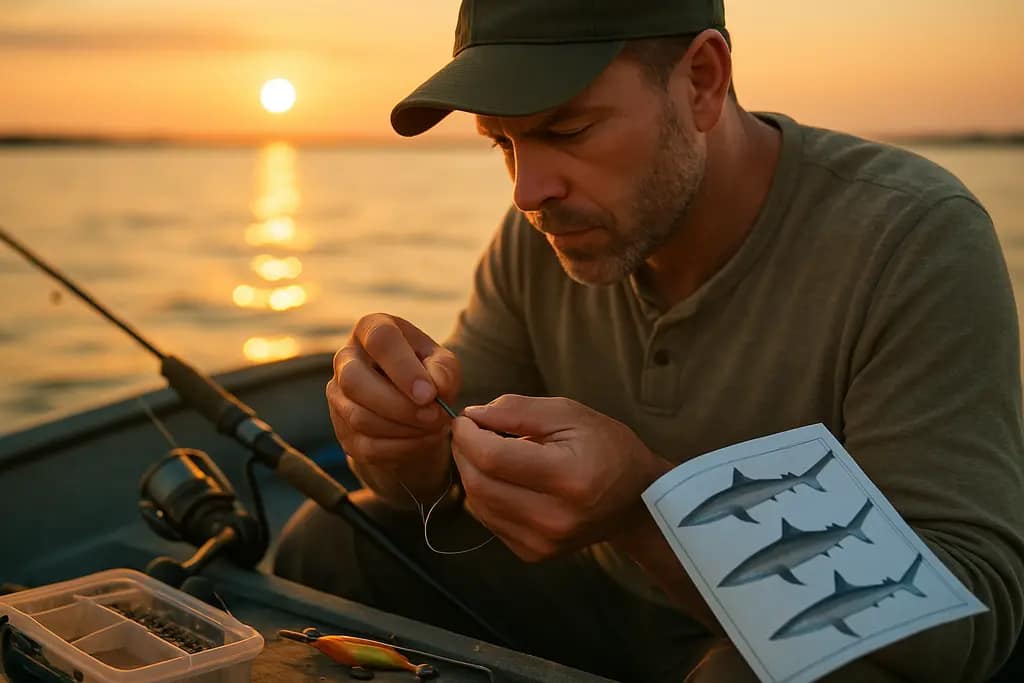
For a better sharpnose shark release, build rigs around non-stainless steel circle hooks matched to bait size. Circle hooks are not magic, and hook size still matters, but the goal is to reduce deep hooking and make the hook point settle in a safer location. Do not fish tiny hooks just to increase bites. Research from the northern Gulf of Mexico found that hook type influenced size selectivity and catch rates for Atlantic sharpnose sharks, and smaller J-hooks were linked with greater concern for deep hooking and injury. The practical move is simple: use a circle hook large enough that the shark is less likely to swallow it, then let steady pressure load the rod instead of striking hard like you are setting a bass jig.
Pre-rig your release station. Long-nose pliers, a dehooker, leader cutters, and gloves should be within arm’s reach. If the hook is visible and easy to remove, remove it quickly. If the hook is deep or removal would tear tissue, cut the leader as close as safely possible. A heroic surgery at boat side is still surgery, and the shark did not sign up for it.
Soak Time Lessons For Rod-And-Reel Anglers
One NOAA-backed study on bottom longlines found that Atlantic sharpnose sharks had the least resilience to long soak times among 10 common shark species studied. The same study reported that more than 60% of sharks were hooked within the first four hours, with Atlantic sharpnose sharks the fastest to be hooked, and that reducing soak times to about two hours could maximize sharpnose catch while minimizing at-vessel mortality NOAA bottom-longline study. Rod-and-reel fishing is not the same as commercial-style longline soaking, so do not stretch that finding farther than it goes. Still, the lesson travels well: do not leave baits unattended for long periods.
If you are soaking cut bait from a pier, beach, or anchored boat, check your rigs often. A shark hooked for a long time has more opportunity to exhaust itself, tangle, roll in the leader, or suffer from poor hook placement. Set a timer if you need to. If a bait has been out long enough that you are no longer actively managing it, you are not shark fishing anymore; you are leaving hardware in the water and hoping the fish solves the problem for you.
In-Water Handling That Protects Swimming Strength
Handling time is where good intentions often fall apart. Everybody wants a photo, somebody wants to measure the fish, and one person is still looking for the right tool. Meanwhile, the shark is burning through its recovery budget. Research on related small coastal sharks has linked extended handling with impaired swimming ability, and impaired swimming has been tied to higher post-release mortality. For sharpnose, the safest working assumption is that less handling is better.
Keep The Shark Wet And Supported
A sharpnose shark release should happen with the fish in the water whenever conditions allow. Keep the shark alongside the boat, control the leader without wrapping it around your hand, and support the fish only as much as needed to remove the hook or cut the leader. Avoid dragging it across dry sand, hot decking, or rough pier surfaces. If shore fishing forces you to land the shark, have the release tools ready before you slide the fish into shallow water, and keep air exposure as short as you can.
Good fish handling crosses species lines. The same release thinking used for safer striped bass releases applies here: reduce air exposure, cut down handling, and let the fish leave under its own power. Sharks are tougher than many fish in some ways, but they are not props. Treat the release as part of the catch, not the cleanup.
Make The Release Decision Fast
Before the fish is at the boat, decide what you need: hook removal, leader cut, quick measurement, or no measurement at all. If the shark is lively, jaw-hooked, and easy to control, a fast dehooking can work. If it is deeply hooked, bleeding, wrapped, or sluggish, stop fussing and cut the leader. Anglers sometimes overrate fight time and underrate boat-side delay. Recent reviews have found that fight time was often less clearly tied to survival than hook type, hook location, handling time, and whether the shark was removed from the water. That means the release window beside the boat may be where you gain or lose the most ground.
Weather, Water Temperature, And Recovery Planning
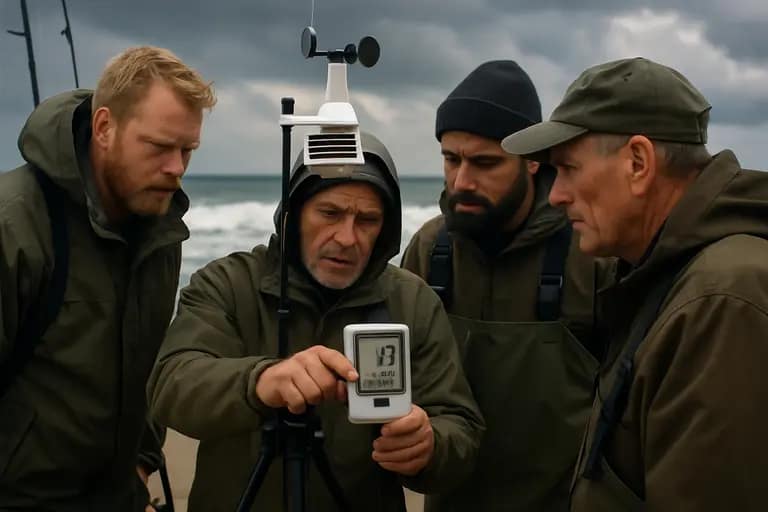
Warm water can make release work less forgiving. Research on blacknose sharks found that surviving fish needed an average of 11.7 hours to recover normal swimming behavior after recreational capture, and warmer water extended recovery and increased mortality. That exact recovery time should not be pasted onto Atlantic sharpnose sharks as if they were identical, but it gives anglers a useful warning: heat can magnify stress.
Read Heat As A Stress Multiplier
On hot, low-oxygen days, shorten the whole operation. Fish fewer rods if that lets you respond faster. Use heavier tackle than you would for a casual bait soak so the fish reaches the boat in controlled condition. Avoid fishing from high piers where landing and release force long drops, rope work, or long air exposure. If sharks are arriving sluggish or needing long revival, change your plan. Move, take a break, or target another species with lower handling demands.
Revival is not complicated, but it requires patience. Hold the shark facing into clean water flow, either beside the boat or in the wash of gentle current. Do not push it back and forth aggressively. Let water move over the gills, keep the fish upright, and wait for stronger body tone and steady tail beats. Release only when it can swim away with direction instead of sinking or rolling.
Match Your Trip Plan To The Fish
If sharpnose sharks are the likely catch, rig for them from the start. Use tackle strong enough to avoid a drawn-out fight, a leader system you can cut safely, and hooks chosen for release rather than bragging-board numbers. Keep only the rods you can supervise. A beach spread with too many baits may look serious, but if you cannot reach a rod fast, manage the leader cleanly, and release the fish quickly, the spread is working against you.
Why Sharpnose Shark Release Discipline Matters
A clean sharpnose shark release is not about perfection. It is about stacking small advantages in the fish’s favor every time: better hook choice, shorter soak, faster tool work, wet handling, and patient revival. Atlantic sharpnose sharks are released often in recreational fisheries, and some post-release mortality estimates remain uncertain. That uncertainty should push anglers toward the safest available habits, not casual handling.
Turn Research Into Boat Habits
Here is the practical checklist I use before bait goes out:
- Fish non-stainless steel circle hooks sized to the bait and target shark.
- Check soaking baits often, especially from shore or anchored boats.
- Keep pliers, dehookers, and leader cutters ready before the first cast.
- Leave the shark in the water for release whenever it is safe to do so.
- Cut the leader quickly if hook removal would cause more damage.
- Revive the shark upright until it swims with steady control.
The strongest anglers I know are not the ones who wrestle every shark for a photo. They are the ones who can read the situation, make the release call fast, and still enjoy the catch. Build your sharpnose shark release plan before the bite, and you give every fish a better chance to turn, kick, and disappear the way it should.


