
The smartest catfish anglers I know are moving back toward simple, proven setups, and for good reason. At a moment when fishing advice is crowded with gimmicks, natural baits still outperform flashy shortcuts when the goal is steady action and bigger fish.
I keep coming back to natural baits for catfish because they reward good judgment more than expensive gear. In my experience, success is rarely about mystery formulas. It comes down to matching the right bait to the right species, presenting it with the right rig, and understanding what a catfish is actually looking for in the water.
Why Natural Baits Still Win
Catfish are not subtle feeders, but they are selective in ways many anglers underestimate. They respond to scent, oil, vibration, and how naturally a bait moves or rests on the bottom. That is why natural offerings continue to dominate serious catfishing. They create a more convincing signal in the water, and that matters whether I am targeting eating-size channel cats or waiting for a larger fish to commit.
The mistake I see most often is treating all catfish as if they behave the same way. They do not. Channel catfish will opportunistically take a wide range of baits, from worms to liver to cut fish. Blue catfish tend to respond best when the offering has size, oil, and a strong scent trail. Flatheads are a different conversation altogether. When I am thinking about flatheads, I am usually thinking about live bait first, because they are much more inclined to hunt living prey than to pick up a dead bait lying still.
That distinction is where better fishing begins. Once I decide what species I am most likely to encounter, bait choice becomes much easier.
The Four Natural Baits I Trust Most
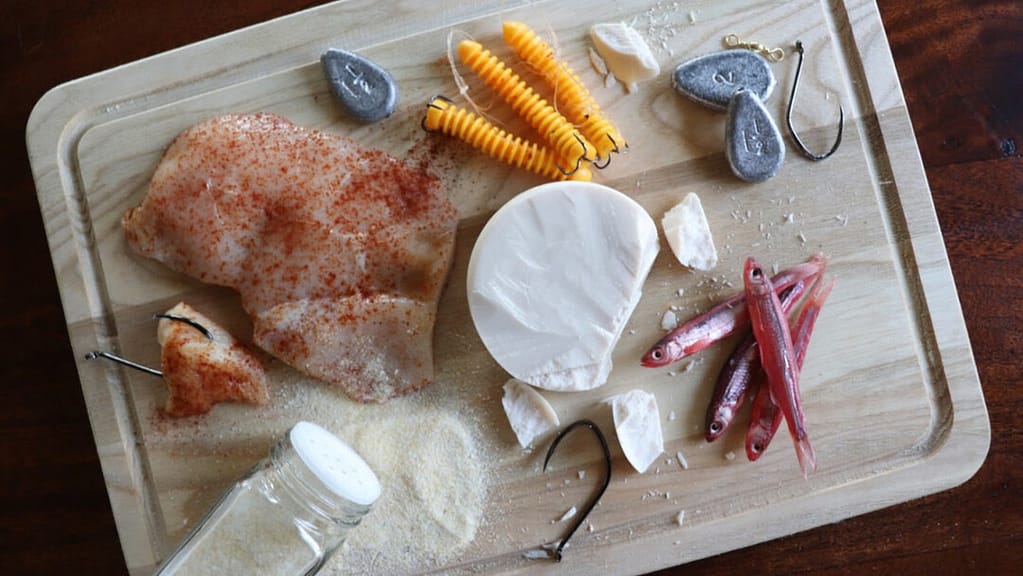
When I strip the category down to what consistently produces, four options stand out: cut bait, live bait, nightcrawlers, and chicken liver. Each one earns its place for a different reason.
Cut bait remains my top choice when I want a serious chance at larger channel cats or blues. Fresh shad, tilapia, or another oily forage fish gives off a scent trail that carries through current and stained water. I prefer head sections when I need durability and belly pieces when I want maximum oil in the water. The key is freshness. A bait that still has a clean, bloody scent fishes very differently from one that has turned mushy or stale in a cooler.
Live bait belongs in the conversation any time flathead catfish are the target. Bluegill, small sunfish where legal, and lively minnows all have a role. I want that baitfish to stay active, because movement is part of what triggers the strike. Hooked correctly, a live bait can do half the work for me by broadcasting distress and vibration.
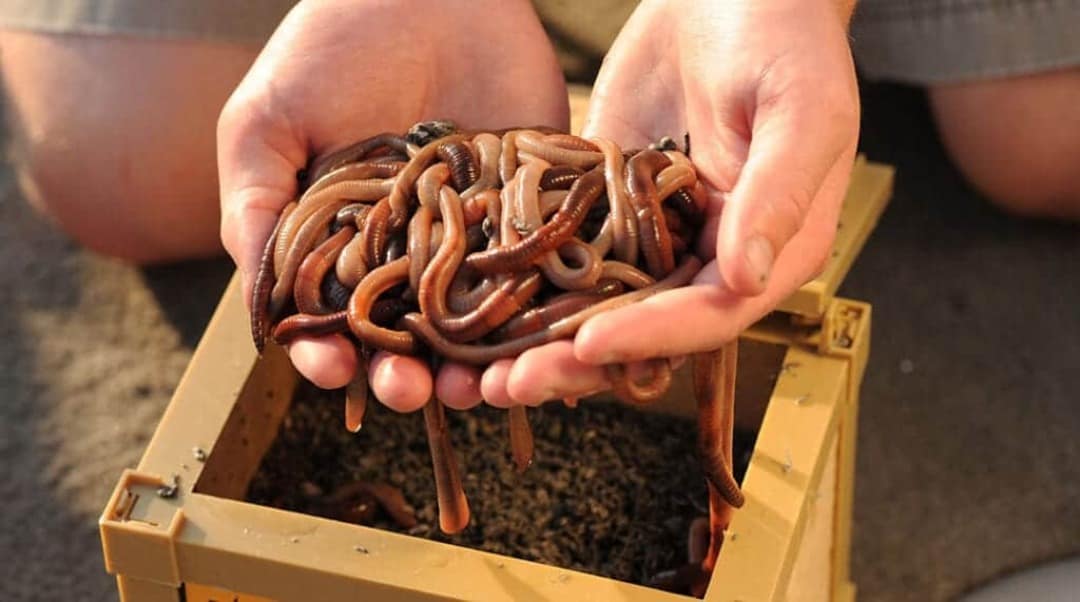
Nightcrawlers are the most forgiving option and, for many anglers, the best starting point. They are easy to find, easy to rig, and productive in ponds, lakes, and rivers. I think of them as a high-percentage bait when I want bites rather than a trophy gamble. Threaded onto a hook in a clump or “worm ball,” they create both motion and scent.
Chicken liver is the classic budget bait because it flat-out catches fish, especially channel cats. Its weakness is mechanical, not biological: it is soft, messy, and easy to lose on the cast. That is why I never fish liver casually. I secure it with elastic thread, mesh, or a hook setup designed to hold soft bait better.
How I Match Bait To Species
The clearest way to think about catfish bait is to match the fish’s feeding style with the bait’s strongest feature.
| Target Species | Best Natural Bait | Why It Works Best |
|---|---|---|
| Channel Catfish | Nightcrawlers, chicken liver, cut bait | Versatile feeders that respond well to scent and easy meals |
| Blue Catfish | Fresh cut bait | Bigger profile and oily scent trail appeal to larger, aggressive fish |
| Flathead Catfish | Live bluegill or minnows | Predatory behavior makes live, active bait the strongest trigger |
This is not a rigid rulebook, but it is a reliable starting point. When anglers say one bait “doesn’t work,” what they often mean is that it was mismatched to the fish they were actually trying to catch.
The Rigs That Make These Baits Fish Better
A good bait can still underperform on the wrong rig. Presentation decides whether the fish finds the bait easy to take, whether the hook point stays exposed, and whether the setup survives current, snags, and repeated casts.
The slip sinker rig is still the most versatile catfish rig I use. It allows a fish to move off with the bait while feeling less resistance, and it works in ponds, reservoirs, and moderate current. For most situations, if an angler asked me to recommend one rig and only one rig, this would be it.
The three-way rig becomes more valuable when current increases. In rivers, it helps keep the bait in the strike zone while reducing the frustration of constant snagging. I especially like it when I want the sinker on a weaker dropper line so I can sacrifice the weight without losing the entire rig.
The Santee Cooper rig is one of the smartest refinements in catfishing because it solves a common problem: bait disappearing into soft bottom or debris. By adding a small float on the leader, the bait hovers just off the bottom, where it is easier for fish to find and less likely to foul.
When I am building any of these rigs, I keep a few priorities in mind:
- I leave the hook point exposed
- I size the bait to the fish I want, not the fish I hope might show up
- I refresh soft or washed-out bait more often than most anglers think necessary
- I use circle hooks when I want cleaner hook placement and a simpler hookset
Those details sound small, but they compound over a long session.
The Small Decisions That Change Results
The biggest leap in catfish fishing usually comes from tightening the basics. Fresh bait matters more than exotic bait. Hook placement matters more than lure-style experimentation. Fishing near current seams, wood cover, ledges, or deeper holding water matters more than endlessly changing tackle.
I also think patience needs a more precise definition in catfishing. Patience does not mean leaving a washed-out bait in the water for an hour and calling it confidence. Real patience is staying committed to a strong area while keeping the presentation sharp. If a bait has lost its scent, slipped down the hook, or stopped moving naturally, I am no longer fishing effectively.
That is why I often tell newer anglers to simplify the process. Start with a slip sinker rig, a circle hook, and either fresh cut bait or worms. Fish an area with depth, cover, or current change. Then pay attention to what kind of bite develops. If smaller channel cats are pecking at worms, I may stay with it for action. If I am hunting a larger blue, I am far more likely to commit to a bigger chunk of fresh cut fish and wait it out.
Why This Matters Right Now
Catfish fishing remains one of the most accessible and rewarding forms of freshwater angling, but it still punishes lazy preparation. Right now, when so much outdoor advice is packaged as a shortcut, the real edge is returning to what consistently works: natural bait matched to species, rigged with purpose, and fished with discipline.
That matters because the difference between a frustrating night and a memorable one is usually not luck. It is whether the bait in the water is the bait a catfish actually wants, presented in a way that makes saying yes easy.


