
The timing could not be better to revisit an old-school fishing tactic that deserves far more respect than it gets. As more anglers chase quick results with expensive electronics and complicated rigs, I keep seeing the same truth on the water: a smart catfish chumming strategy can outproduce flashier methods by doing one simple thing extremely well—it brings fish to you.
I have come to think of chumming not as a gimmick, but as a highly disciplined way to shape feeding behavior. When it is done properly, it creates a concentrated scent zone, holds catfish in range, and turns a passive wait into a deliberate system. For anglers serious about consistency, that matters right now.
Why Chumming Deserves A Second Look
Catfish are built to hunt through scent more than sight. Their barbels and sensory systems allow them to detect food in murky water, low light, and moving current with remarkable efficiency. That is exactly why chumming works: it does not depend on visibility, perfect presentation, or a lucky cast. It depends on chemistry, current, and patience.
In my experience, too many anglers dismiss chumming because they confuse it with dumping random bait into the water and hoping for the best. That approach can fail. Effective chumming is measured and strategic. The goal is not to feed fish until they lose interest in your hook bait. The goal is to establish a scent trail that pulls fish into a defined area and keeps them searching aggressively.
That distinction is important. A good chum line does not replace your rig; it amplifies it. Once the fish arrive, the hook bait becomes the final trigger.
How A Feeding Zone Actually Forms
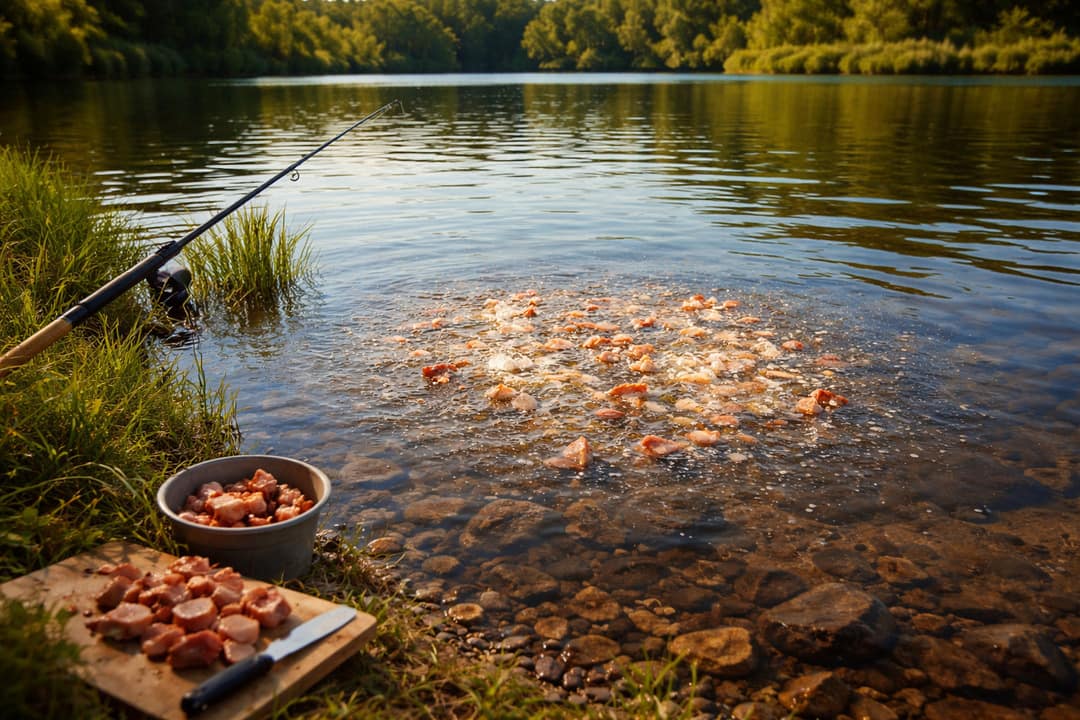
What makes chumming so powerful is its ability to build a feeding zone rather than a single point of attraction. Small pieces of bait, oils, blood, and scent particles disperse through the water column and move with the current or settle in a tight area in still water. Catfish respond by tracing that scent back toward the source.
In rivers, this often means fish move along the edge of current seams or drift into softer holding water near the chum. In lakes and ponds, they tend to circle and investigate the zone repeatedly, especially when the scent remains active over time. That is why waiting matters. Chumming is not instant. It needs time to bloom.
I have found that anglers often rush the process. They toss in bait, wait a few minutes, and assume nothing is happening. In reality, the scent field may only be beginning to spread. The best results usually come when the bait has had enough time to establish presence without overfeeding the fish.
Choosing The Right Chum For The Water
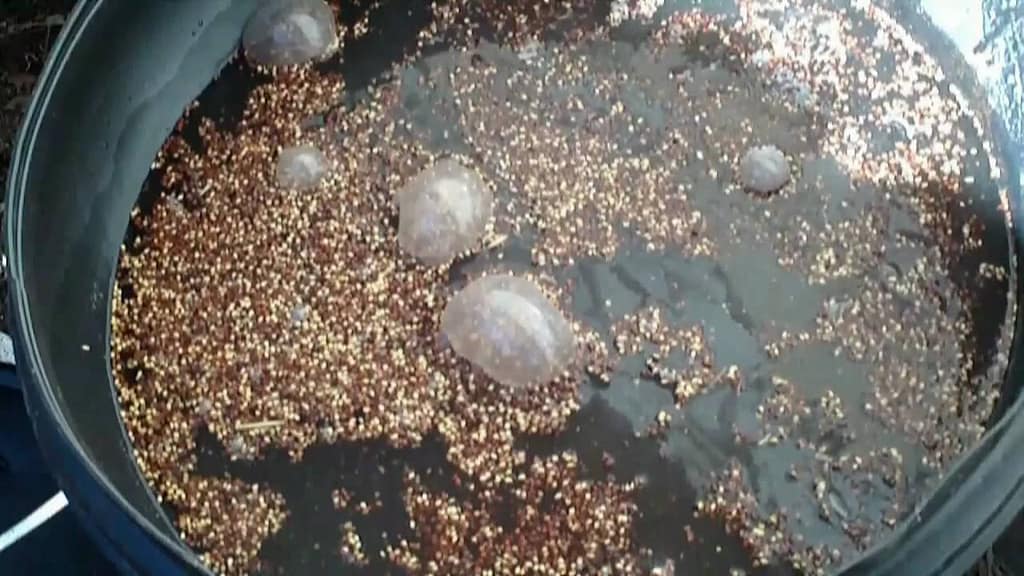
Not all chum performs the same way, and the best option depends on water movement, target size, and how long you want the scent to linger. Fresh cut bait remains one of the strongest choices because it releases natural oils and creates a scent trail that feels authentic in the environment. Chicken liver spreads quickly and can be highly effective, though it breaks down fast and requires refreshing. Dough-style mixtures with cheese or garlic can be useful when I want a slower, more controlled release in relatively calm water.
The key is to think about dispersion. In faster current, stronger and oilier chum tends to perform better because it leaves a more durable trail. In still water, softer chum can work because the scent does not have to fight moving water. What matters most is that the chum and the hook bait belong to the same feeding story. If I am drawing fish in with cut bait, I want my hook bait to feel like the same meal.
Here is a simple comparison of common chum choices:
| Chum Type | Best Setting | Strength | Limitation |
|---|---|---|---|
| Cut bait chunks | Rivers and reservoirs | Strong natural oil trail | Can attract smaller scavengers too |
| Chicken liver | Slow water and close-range spots | Fast scent release | Breaks down quickly |
| Cheese or garlic dough | Ponds and calm coves | Controlled scent spread | Less natural profile |
| Soaked fish-based pellets or dog food | Budget setups in calm water | Easy to deploy in volume | Can be less selective |
Placement Is More Important Than Quantity
This is where many chumming attempts go wrong. Anglers often focus on how much to throw rather than where to put it. Placement matters more. In moving water, I prefer to put chum slightly upstream of where my hook bait will sit. That allows the current to carry the scent directly toward the strike zone without dragging fish past the bait. In still water, I want the chum concentrated in a tight radius, with the hook bait centered inside that zone.
A disciplined approach usually looks like this:
- I use small amounts of chum at first rather than a heavy dump
- I wait long enough for the scent to spread based on the water conditions
- I refresh the zone in modest intervals instead of overloading it
- I keep the hook bait closely matched to the chum profile
That rhythm creates continuity. Catfish move in, investigate, and remain engaged because the scent stays active without turning the area into an uncontrolled food pile.
Timing The Wait For Maximum Effect
There is no single perfect waiting period, and this is one of the most misunderstood parts of the tactic. Faster current can spread scent in as little as five to ten minutes. Slow-moving water often needs more like fifteen to twenty-five minutes. In lakes or ponds, I am usually thinking in twenty- to thirty-minute windows before judging whether the setup is working.
That waiting period is not dead time. It is when the scent field develops, fish locate the area, and the feeding zone begins to mature. For anglers accustomed to constant casting, that can feel unproductive. But in practice, it is often the most important phase of the method.
For a deeper overview of the sensory biology that makes this tactic so effective, catfish chumming strategy is easier to understand when viewed through the way catfish are designed to feed.
What Separates Effective Chumming From Wasteful Chumming
The line between smart chumming and sloppy chumming is thinner than most anglers realize. Too much chum can satisfy fish before they ever find your hook. Weak chum can vanish before it creates meaningful attraction. Poor placement can send fish away from the rig rather than toward it.
The most effective anglers I know treat chumming as a controlled signal, not a food dump. That is the key insight. The tactic works best when it creates curiosity, competition, and confidence feeding, not full stomachs. I also believe the most productive version of this approach is what I think of as pulse chumming: introducing small amounts at intervals to keep the scent alive without overwhelming the area.
Why This Matters Right Now
At a time when so much fishing advice revolves around gear upgrades and technical complexity, chumming stands out because it rewards observation, restraint, and water awareness. It is affordable, repeatable, and surprisingly adaptable across rivers, lakes, and ponds. More importantly, it plays directly into the natural strengths of the fish.
That is why this matters right now. Anglers do not always need a new gadget or a more elaborate rig to improve their results. Sometimes they need a better system for making fish commit. A well-executed chumming plan does exactly that, turning scent into structure and opportunity into consistency. In a sport where small edges decide the day, that is not a minor advantage. It is often the difference between waiting on luck and creating your own bite.


