
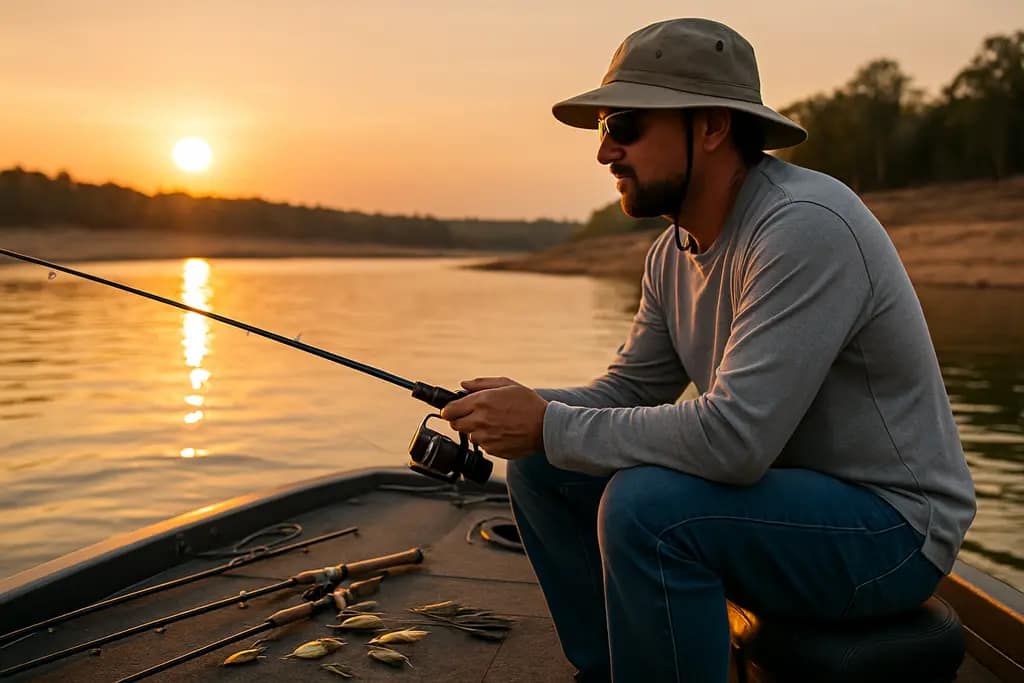

Sam Rayburn low water can turn a tournament day into a conditioning test with rods, reels, and stumps. On September 5-6, 2026, the reservoir level was reported around 155.00-155.02 feet, roughly 9.35-9.40 feet below the 164.40-foot full pool mark on the reservoir level page. The research notes did not provide a verified date for the Sam Rayburn Super Tournament, so this plan stays focused on tactics, safe preparation, and decision-making rather than schedule claims.
I fish low water the same way I train legs before a long tournament: balance first, power second, panic never. Exposed shoreline cover changes the playing field. Runs that felt automatic at normal pool can demand slower boat handling, sharper map reading, and more attention to how bass reposition around remaining cover. The Texas Parks and Wildlife Department lists aquatic vegetation such as hydrilla, pondweed, and American lotus at Sam Rayburn, and notes clearer water toward the lower lake with muddier water upriver on its TPWD lake profile. That mix gives tournament anglers a clear assignment: match your depth, bait speed, and boat lane to what the lake is actually giving you.
Sam Rayburn low water Tournament Setup
Sam Rayburn low water Boat Control
Start with boat control before bait selection. A low pool exposes hazards and shrinks usable shoreline cover, so the first win is reaching your water without burning time or equipment. Idle with intent around shallow points, stump fields, and unfamiliar pockets. If a lane looks questionable, treat it like a heavy deadlift without a warmup: back off, reset, and choose the safer angle.
Good boat positioning keeps your cast angle clean and your trolling motor quiet. Instead of parking on top of the cover, set up where you can cast past the target and bring the bait through it. In reduced cover, bass may hold tight to the best available shade, wood, or depth change. A sloppy approach can push the bite window closed before your first cast. If your team needs more practice with angles and drift control, this same-site piece on boat positioning pairs well with a low-pool practice day.
Ramp And Run Planning
Ramp choice deserves the same planning as lure choice. With the lake around nine feet low in the research notes, shallow fringe access may be limited, and some approach lanes may have less margin than anglers remember from higher water. Check the ramp in daylight when possible, give yourself extra launch time, and keep a backup access point in the plan. Tournament stress makes simple tasks feel harder; a calm launch routine protects your focus for the first fishing decision.
Structure And Channel Targets
Wood, Stumps, And Brush
A Sam Rayburn low water day rewards anglers who stop chasing empty bank and start fishing what still has depth. Submerged timber, stumps, laydowns, and brush piles become higher-value targets when shallow vegetation and shoreline cover are reduced. I like to think of each piece of cover as a station in a gym circuit: make the right casts, work the best angles, then move with purpose.
For heavier cover, use presentations that can enter and exit cleanly. Texas-rigged plastics, compact jigs, and creature baits allow you to feel the cover and pause in the strike zone. The key is not speed; it is contact. If your bait never touches the cover, you are training without resistance. Pitch to the shade side, let the bait settle, shake it in place, and only then move it out. On tougher fish, that pause can be the rep that counts.
Creek Channels And Ditches
Low water often makes creek channels, ditches, and nearby breaks easier to prioritize because they hold relative depth when flats lose appeal. Focus on bends, intersections, and edges close to remaining cover. Bass do not need to travel far if they can slide from a feeding shelf to safer water in a few tail kicks.
During low light, test nearby shallower cover first. As sun angle climbs, shift to the first dependable break or channel edge. Mid-depth does not have to mean offshore abyss fishing. In this setting, it may simply mean the nearest stable water outside exposed bank cover. That adjustment keeps you from abandoning fish that only moved a short distance.
Bait Cadence And Athlete Pacing
Match Clarity With Profile
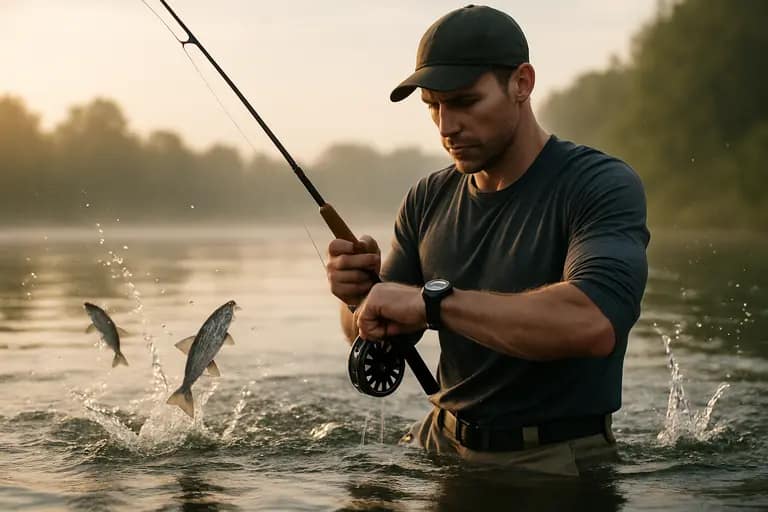
Water clarity at Sam Rayburn can vary by section, so bait profile should change with it. In clearer lower-lake areas, smaller soft plastics, natural colors, and quieter presentations can help with pressured bass. In murkier water, vibration, contrast, and a bigger silhouette give fish a better target. Spinnerbaits, vibrating jigs, squarebills, or lipless crankbaits can cover water when fish are active, especially around hard cover or edges.
Do not marry one bait because it worked in practice. Low water compresses fish onto fewer targets, which also concentrates angling pressure. Keep a quick-change box ready: one finesse option, one cover-contact bait, one reaction bait, and one follow-up plastic. That is enough variety without turning the deck into a yard sale.
Slow Down Without Going Flat
For Sam Rayburn low water conditions, slowing down does not mean fishing sleepy. It means making fewer wasted casts and giving high-value targets more time. Let a jig sit. Dead-stick a worm beside a stump. Pause a crankbait after it deflects. If the fish are tight to cover, the strike may come after the bait stops moving.
This is where fitness matters. Fatigue makes anglers rush retrieves, skip targets, and make unsafe steps on the deck. Build a tournament rhythm: hydrate before you feel cooked, snack before your hands shake, and rotate casting shoulders when possible. I train grip, hips, and core because boat balance and hooksets both fall apart when the body gets sloppy. Tournament fishing is not just patience; it is repeatable movement under pressure.
- Morning: start with low-light cover near depth, then expand to channel edges.
- Midday: slow presentations around wood, brush, and shaded targets with nearby depth.
- Muddy Water: choose contrast, vibration, and tighter casting lanes.
- Clearer Water: downsize, lengthen casts, and reduce unnecessary boat noise.
- Late Day: revisit the best cover if wind, shade, or bait movement improves.
Sam Rayburn low water Decisions That Hold Up Late
Practice With A Scorecard
A Sam Rayburn low water tournament should not be practiced by memory alone. Keep a simple scorecard for each area: safe access, water color, available cover, nearby depth, bait presence if observed, and how many quality bites came from repeatable features. One random fish on a bare bank is information, but three bites from wood beside a ditch is a pattern worth protecting.
Mark exposed features too. A point, stump line, or old roadbed showing above water can reveal how the unseen portion continues below the surface. Use electronics and mapping to connect those visible clues with the next cast. This is not guesswork; it is disciplined scouting.
Know When To Leave
The hardest tournament move is leaving fish that almost worked. Low water can make anglers camp too long because every good-looking target feels rare. Set rules before takeoff. For example, give a high-confidence stretch a certain number of quality casts, then move if it does not show life. If you get short strikes or followers, adjust bait size or speed before abandoning it. If you get nothing, trust the clock.
The winning mindset is athletic: repeat clean mechanics, read feedback, and adjust without drama. Sam Rayburn is still Sam Rayburn, even when the water is down. The anglers who manage safe access, fish remaining structure, respect clarity changes, and keep their bodies sharp late in the day give themselves the best chance to turn a tough pool level into a controlled tournament plan.


