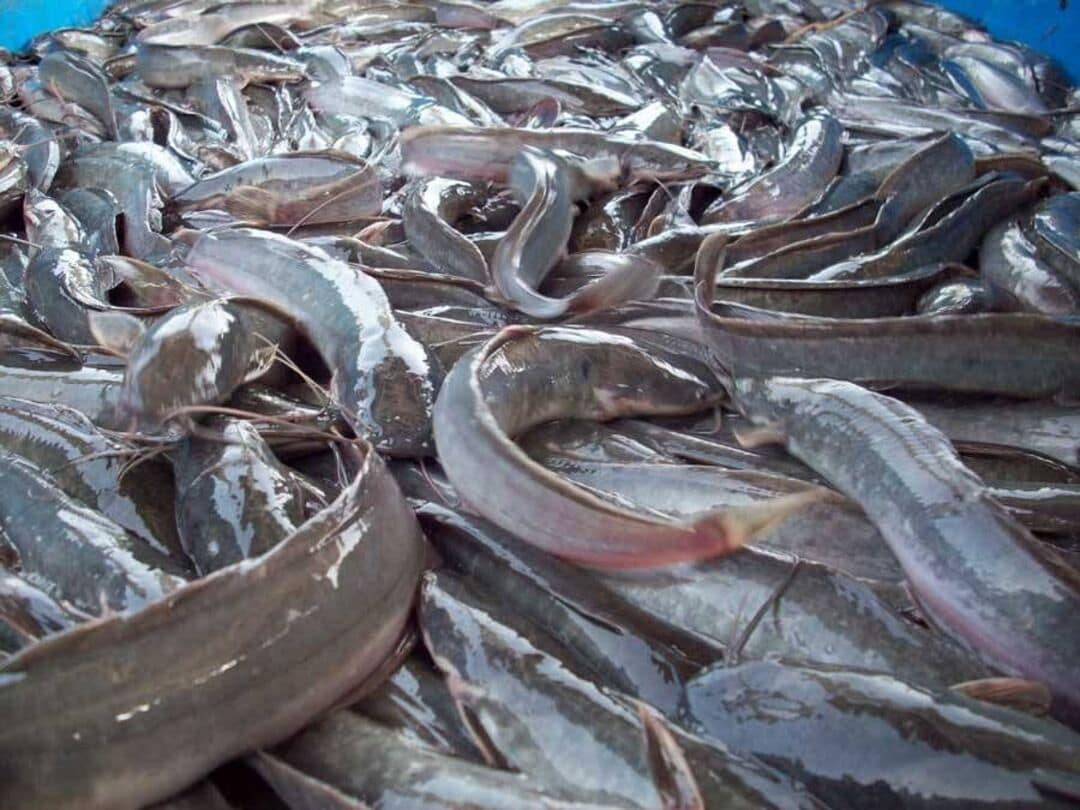

Kentucky’s waterways recently found themselves at the center of one of the largest poaching operations in state history. Over 10 months, Operation River Raid uncovered a network responsible for the illegal harvesting of catfish on a scale seldom seen, resulting in 25 arrests and over 700 criminal charges. This crackdown marks a significant event in the ongoing effort to protect Kentucky’s aquatic resources.
The Unveiling of Operation River Raid
On Tuesday, January 20, the Kentucky Department of Fish & Wildlife (KDFW) announced the results of a painstaking, multi-agency investigation. Dubbed “Operation River Raid,” the operation spanned six counties and relied on a combination of surveillance, intelligence sharing, and field inspections to identify and apprehend poachers.
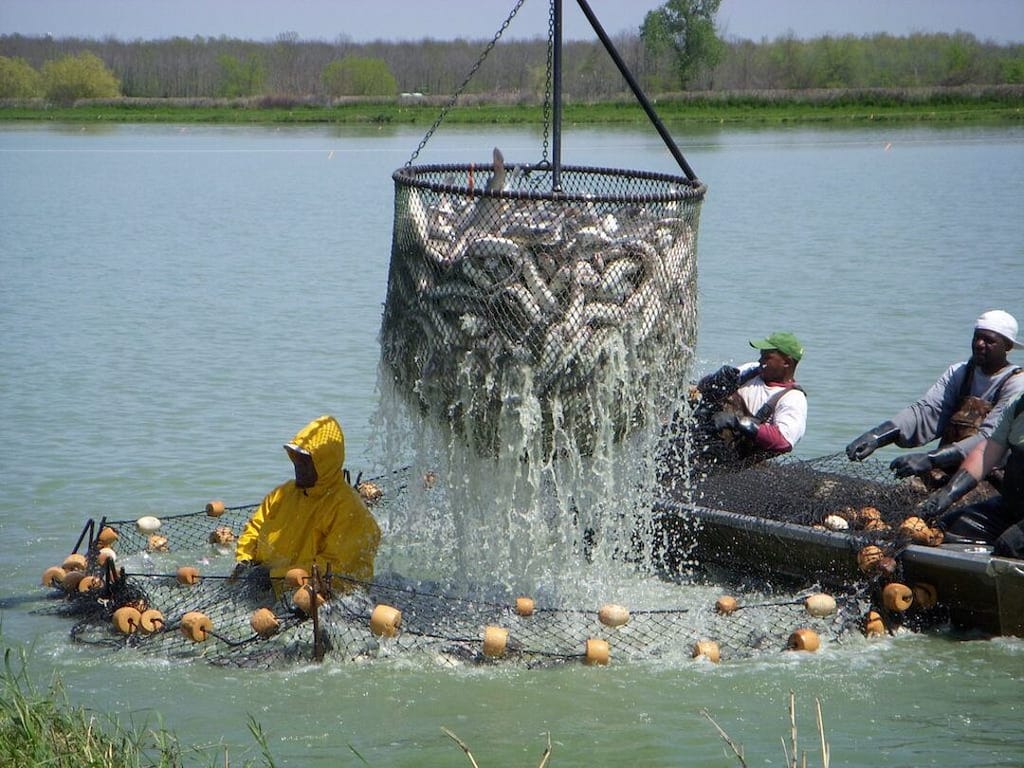
The investigation uncovered a staggering truth: more than 300,000 pounds of catfish were illegally harvested from public waterways and sold to unregulated or illegally operated pay lakes. Such activity not only violates state laws but undermines the delicate balance necessary to maintain healthy fish populations.
How Illegal Catfish Harvesting Impacts Kentucky’s Ecosystems
The magnitude of the theft over 300,000 pounds of catfish represents a profound risk to Kentucky’s fisheries. Accurate data on fish harvests is essential for fishery managers to maintain sustainable populations, particularly of prized trophy catfish.
Dave Dreves, director of the KDFW Fisheries Division, emphasized the stakes: “A critical piece of information to properly manage any fishery is accurate harvest rates. That is why commercial fishers are required to report their harvest each month. This egregious underreporting undermines our ability to properly monitor catfish populations, especially trophy catfish.”
Removing such tremendous numbers of catfish from public waters destabilizes local food webs, diminishes angling opportunities for law-abiding fishers, and threatens future generations of these iconic river dwellers.
The Scope of the Crime: From Waterways to Pay Lakes
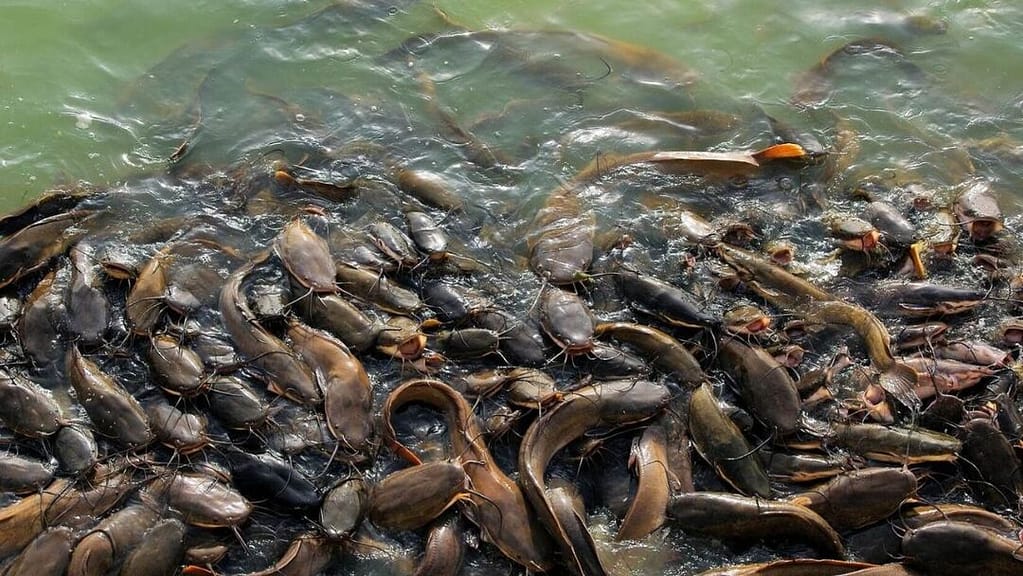
Operation River Raid revealed that poached catfish were being transported and sold to “pay lakes” that are unregulated or operating illegally. Pay lakes, which charge customers to fish for catfish, are popular throughout Kentucky and beyond. However, when stocked with fish obtained through illegal means, these businesses not only profit from poaching but perpetuate unsustainable and unethical practices.
Unregulated pay lakes bypass harvest reporting requirements and can lead to further ecological imbalances, as massive fish are removed from public habitats and deposited elsewhere without oversight.
The Details Behind the Arrests and Charges
The 25 individuals arrested face a combined tally of more than 700 charges, ranging from unlawful take and transportation of catfish to falsified harvest records. The investigation was lauded as a model of collaboration, involving multiple county, state, and federal agencies in their pursuit of conservation justice.
Charges reflect not only the direct removal of catfish but also attempts to deceive regulatory authorities—making it clear such actions will be met with the full force of the law.
Kentucky’s Commitment to Conservation
The outcome of Operation River Raid sends a strong message: Kentucky’s natural resources are not to be exploited for unlawful gain. The KDFW, in its role as a steward for fish and wildlife, remains vigilant in both education and enforcement.
In addition to pursuing poachers, KDFW continues to advocate for responsible fishing. That includes proper harvest reporting by commercial and recreational fishers, strict pay lake oversight, and public awareness campaigns to highlight the importance of sustainable fisheries.
What Anglers and the Public Can Do
Combatting poaching and illegal harvesting requires participation from the entire outdoor community. The public can play a crucial role by:
- Reporting suspicious activity to local authorities or the KDFW.
- Practicing and promoting responsible fishing and accurate harvest reporting.
- Supporting businesses and pay lakes that adhere to legal and ethical standards.
These steps help preserve Kentucky’s rivers and ensure future generations can enjoy the thrill of catching native catfish.
Protecting Kentucky’s Catfish for the Future
Kentucky’s waterways are a treasured resource both economically and ecologically. Operation River Raid stands as a warning to would-be poachers and a testament to the power of coordinated law enforcement. As the dust settles, the state’s commitment to protecting its fisheries is clearer and stronger than ever.
With the continued cooperation of law-abiding anglers and vigilant oversight by wildlife authorities, Kentucky’s catfish populations can recover from this setback and thrive in the years ahead.


