The difference between a forgettable catfish outing and a productive one often comes down to a few disciplined decisions made before the first cast. Right now, when many anglers are trying to make the most of short fishing windows and changing conditions, a simple, focused approach can outperform a truckload of gear and guesswork.
I have found that the most reliable plan for catfish fishing today is not complicated. It starts with fishing late in the day, targeting deep water near structure, presenting natural-smelling bait such as cut bait or chicken liver, and refusing to sit too long in water that is not producing. For anglers who want a practical system rather than vague advice, that framework remains one of the most dependable ways to put catfish on the bank.
Why A Simple Plan Works Better Than A Fancy One
Catfish reward efficiency. They are built to feed in low light, use current seams and bottom contours to their advantage, and home in on scent with remarkable precision. That means an angler does not need a dozen experimental tactics in a single trip. What matters most is presenting the right bait in the right place at the right time, then adjusting quickly if the area is dead.
That is why I keep coming back to a stripped-down game plan. It removes the temptation to overcomplicate the trip and forces me to focus on variables that actually move the needle: feeding windows, holding water, scent, and mobility. In practice, that discipline is what separates a decent evening from a wasted one.
For anglers who want to sharpen their fundamentals, catfish fishing today starts with understanding that catfish are not randomly scattered. They relate to depth, cover, food, and comfort. When those elements line up, the fish tend to be there for a reason.
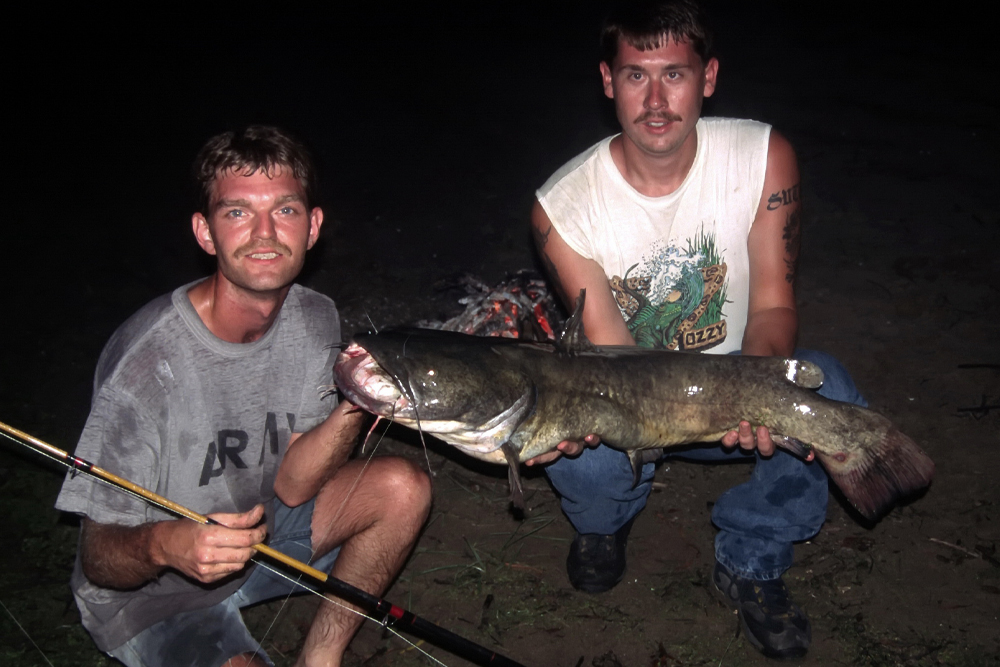
Fish Late Afternoon Into Night
If I had to choose one factor that matters most for a same-day catfish plan, it would be timing. Late afternoon into night consistently gives anglers an edge because catfish become more confident and more active as light levels drop. Heat eases, shadows lengthen, and feeding behavior becomes more aggressive.
This does not mean daytime catfishing cannot work. It absolutely can, especially in stained water, heavy current, or around deep cover. But if I am advising someone who wants the highest-percentage move for today, I am steering them toward the evening window first. It is the part of the day when catfish are often willing to leave cover, roam more freely, and commit to scent trails with less hesitation.
The logic is simple. Low light gives catfish a natural advantage. They rely heavily on smell, vibration, and bottom-oriented feeding patterns, and they often become more comfortable when visibility drops. For the shore angler especially, that creates a realistic opportunity to intercept fish that may have been tucked too deep or too tight to cover earlier in the day.
Start Near Deep Water And Structure
Location is where many trips are won or lost before they begin. When I say “deep water plus structure,” I mean the kind of areas that naturally collect catfish and give them everything they need: security, current breaks, ambush opportunities, and nearby food.
In a lake or reservoir, that can mean channel edges, submerged timber, steep drop-offs, riprap banks, bridge pilings, or points that taper into deeper basins. In a river, it might mean outside bends, logjams, scour holes, current seams, undercut banks, or slack pockets near faster water. The common denominator is not the exact shape of the spot. It is the combination of depth, bottom access, and some form of structural advantage.
I like to begin where shallow feeding lanes meet deeper holding water. That transition zone matters because catfish can stage in the deeper section, then slide up to feed when conditions improve. If I can cast so my bait sits along that edge rather than randomly in open water, my odds increase immediately.
The table below captures the basic structure of the plan.
| Priority Factor | Best Choice For Today | Why It Matters |
|---|---|---|
| Time | Late afternoon into night | Catfish feed more actively in lower light |
| Starting Location | Deep water near structure | Fish hold where cover, depth, and food intersect |
| Primary Bait | Cut bait or chicken liver | Strong scent improves detection and commitment |
| First Waiting Window | 30 to 45 minutes | Enough time to let the spot show its potential |
| Adjustment | Relocate if no signs of life | Mobility prevents wasting the best feeding period |
Use Cut Bait Or Chicken Liver
Bait selection should match the species’ strengths, not the angler’s habits. Catfish are scent-driven fish, and that is why cut bait and chicken liver remain so effective. Both create a clear odor trail. Both can hold fish in the area long enough to trigger a commitment. And both fit the evening pattern, when scent becomes even more important.
Cut bait is often my first choice when I want a more durable presentation and a better chance at larger fish. Fresh chunks of oily baitfish create a substantial scent trail and tend to stay on the hook better through repeated casts or current. Chicken liver, meanwhile, remains a classic option because of its strong smell and broad appeal. It can be messy, but in the right conditions it is absolutely capable of drawing fish quickly.
If I am trying to keep the plan efficient, my bait hierarchy usually looks like this:
- Cut bait when I want a stronger, longer-lasting presentation
- Chicken liver when I want maximum scent in a simple setup
- A quick bait change if the first choice is not producing within a reasonable window
The key is not to overthink it. A good bait in a good place beats a perfect bait in dead water every time.
Sit Patiently, But Not Forever
Patience matters in catfishing, but blind patience can ruin a trip. That distinction is crucial. I believe in letting a spot work, especially during a prime evening window, but I also believe in respecting the clock. If the bait has soaked, the area looks right, and there are still no signs of life, staying put out of stubbornness usually makes matters worse.
My standard approach is to give a promising area roughly 30 to 45 minutes. That window allows scent to disperse and gives any nearby fish time to respond. It also provides a fair test of the spot without burning the entire session. If I get taps, line movement, bait theft, or any indication that fish are present, I stay with confidence and fine-tune from there.
If nothing happens, I move.
That relocation decision is where many anglers gain or lose ground. Too often, fishermen commit to the first convenient bank opening or the first stretch that simply “looks fishy.” But catfish do not care how comfortable the chair is. A quiet move to a second location with better depth, cleaner structure, or fresher current can salvage the night.
The Most Practical Setup For A Short Trip
For a quick outing, I prefer a setup that minimizes wasted time and maximizes bait presentation. That means a straightforward bottom rig, enough weight to hold position, and a hook that matches the bait rather than overwhelms it. I am not trying to impress anyone with complexity. I want the bait anchored where fish are likely to travel.
Here is the basic framework I rely on most often:
- Fish the evening window rather than forcing midday conditions
- Position baits along depth changes, structure edges, or current breaks
- Use a scent-forward bait with confidence
- Let the spot prove itself
- Move without hesitation when it does not
This style of fishing may sound conservative, but that is precisely why it works. It is built around repeatable conditions, not luck.
What This Approach Gets Right
What I appreciate most about this game plan is that it respects both catfish behavior and the real constraints anglers face. Most people are not launching an all-night expedition with unlimited water access. They are squeezing in a few hours after work, heading to a local bank spot, or trying to make the most of one evening with minimal fuss.
That is exactly where this plan shines. It gives anglers a structure for decision-making. Instead of chasing random signs or switching tactics every ten minutes, they can work through a reliable sequence: time the trip correctly, start in high-percentage water, use proven bait, and treat relocation as part of the strategy rather than a sign of failure.
The biggest insight is this: success often comes from being selective, not busy. Catfish do not require constant tinkering. They require a thoughtful presentation in a place they already want to be.
Why This Matters Right Now
For anyone heading out today, the appeal of this approach is immediate. It turns a broad goal like “go catch catfish” into a practical field plan that can be executed in a single evening. That matters because fishing time is limited, conditions can shift quickly, and the most productive anglers are usually the ones who make clean, confident choices instead of scattered ones.
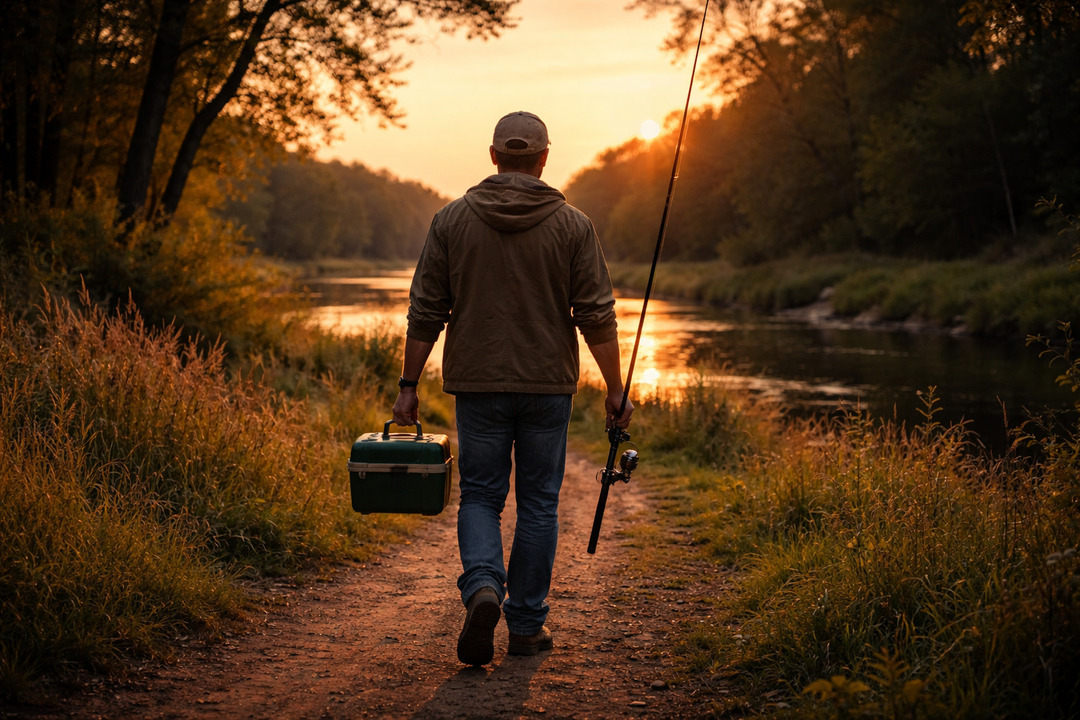
If I were walking to the water right now, I would do exactly this: start in late afternoon, pick a spot with deep water and visible structure, send out cut bait or chicken liver, and give the area an honest but limited chance. If it failed to show life, I would move before the best light disappeared. That is not glamorous. It is simply effective. And at a moment when many anglers are searching for a dependable edge, that kind of clarity matters more than ever.