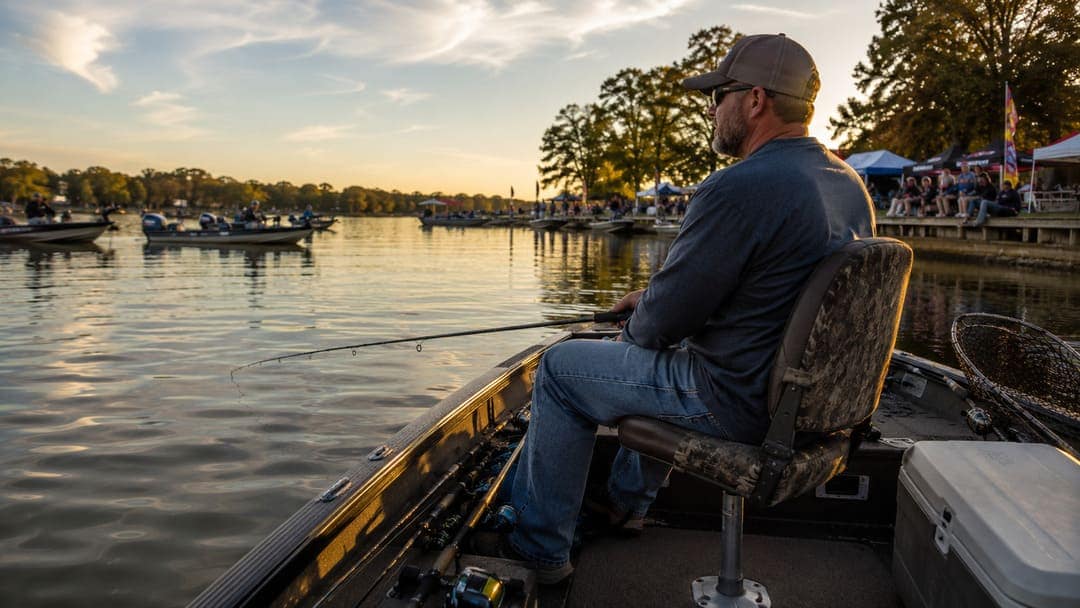

Catfish derby season has a different energy when the calendar turns toward mid-May: the water is warming, and serious anglers are checking every knot as if one bite could change the weekend. With the 2026 Clear Lake Catfish Derby set for May 15–17 and a $5,000 top adult prize attached to the largest fish, this is the moment when a local fishing tradition starts to feel like a regional signal.
The appeal is easy to understand. A good catfish derby is not only about who lands the heaviest fish; it is about momentum, access, and local pride.
Why Catfish Derby Season Matters Right Now
The 2026 Clear Lake Catfish Derby gives anglers a timely reason to think beyond a routine weekend trip. Fishing begins at noon on Friday and ends at noon on Sunday, creating a compact tournament window that rewards preparation, patience, and the ability to adjust quickly when conditions change.
That structure is part of the draw. A three-day derby compresses everything anglers love about catfish fishing into one focused stretch: scouting, bait selection, night fishing, family competition, local conversation, and the possibility that one heavy fish can move an entire leaderboard. The deadline creates pressure, but it also creates clarity.
Clear Lake’s derby format keeps the event accessible. Adult and kids divisions give the weekend a broader community feel, while the largest-fish format creates opportunity and lets nearly every entrant imagine a path to the top. You do not need to catch twenty fish. You need the right one.
That is why the catfish derby season angle works so well for readers right now. It blends news value with practical fishing relevance. Anglers want to know what is happening, but they also want to know what the timing means for their own water.
The Clear Lake Catfish Derby Has More Than Prize Appeal
Money gets attention, and a $5,000 adult grand prize will always sharpen interest. But the stronger story is the way a derby gathers different kinds of anglers in one place. Trophy hunters, bank anglers, families, boat crews, weekend regulars, and kids all enter the same outdoor rhythm.
That mix gives the event character. A catfish derby is not as polished as a high-end bass tournament, and that is part of its tradition. It feels less corporate, more rooted, and more connected to the practical fishing culture that built generations of anglers before every catch became content.
The kids divisions are especially important. Youth fishing needs real moments, not lectures. A child who enters a derby is not just watching adults fish; that child is part of the weekend. They have a number, a goal, and a reason to look at the water with confidence and ownership.
For parents and mentors, that matters. Fishing participation grows when children get early wins, even small ones. A derby gives structure to that experience. It turns a family outing into a shared contest without making the stakes feel too heavy.
What The May Timing Tells Anglers
May is a strong month for catfish attention because seasonal movement is already underway in many fisheries. Water temperatures are climbing, baitfish are more active, and catfish often become more predictable around feeding corridors, shallow transitions, creek mouths, and deeper edges.
That does not mean every catfish in Clear Lake will behave the same way. Weather, water clarity, wind, lake level, and fishing pressure can all shift the bite and demand adaptation. But mid-May gives anglers a logical starting point: find where fish can move efficiently between cover, comfort, and food.
The most useful anglers will not rely on one plan. They will build options. A morning pattern may not survive a warm afternoon. A bank spot may produce after dark but feel dead in daylight. A boat crew may need to test different depths before finding where better fish are cruising.
This is where discipline separates serious derby anglers from hopeful ones. Tournament pressure rewards people who take notes, rotate baits, watch the wind, and recognize when a spot has gone cold with awareness.
Where Derby Anglers Should Focus First
Clear Lake catfish anglers should think in terms of food funnels and comfortable holding zones. Catfish can roam, but they rarely waste effort when natural feeding lanes are available. The best water gives them a reason to pause.
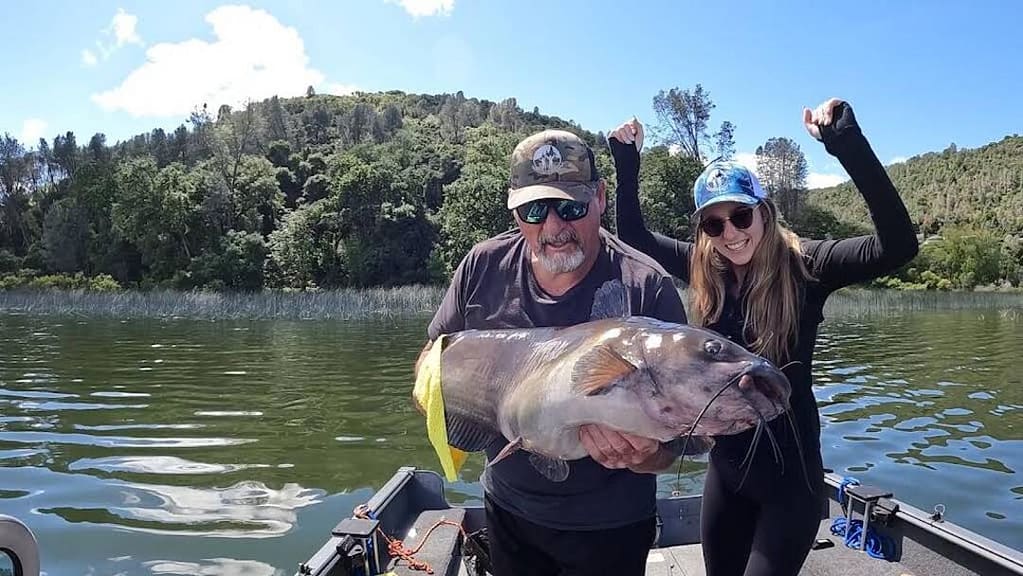
Productive areas may include tule edges, creek mouths, docks, deeper holes, mud flats near depth, channels, and wind-blown banks where food gets pushed. The right spot depends on the day, but the underlying logic of location stays the same: bait should be where fish expect food.
Bank anglers should avoid the mistake of casting straight out and waiting blindly. A parallel cast along cover, a bait placed near a drop, or a rig positioned where wind pushes scent can be more valuable than distance alone. Accuracy often beats range.
Boat anglers have more mobility, but mobility can become a weakness if it turns into restless guessing. The better approach is deliberate testing. Fish a spot long enough to learn something, then move with purpose rather than frustration.
The Strategy Behind A Largest-Fish Derby
A largest-fish derby changes the mental game. Anglers are not simply chasing numbers. They are trying to put bait in front of one fish large enough to matter, which means bait size, location, patience, and timing become more important than constant action.
That can create a real trade-off. Smaller baits may produce more bites and keep morale high, especially for kids or casual anglers. Larger baits may reduce action but increase the chance of drawing a heavier fish. The best crews often balance both.
A practical tournament spread might include one bait aimed at steady action, one bait positioned for a better fish, and one setup used to test a new line or depth. That gives the angler information without abandoning the big-fish goal with flexibility.
There is also a psychological side. Derby anglers can panic when other people weigh fish early. A leaderboard can tempt anglers to abandon good logic for emotional moves. The best response is patience backed by a clear control plan.
A Simple Catfish Derby Planning Table
| Derby Factor | What Anglers Should Consider |
|---|---|
| Timing | Fish low-light windows, night periods, and weather changes with intention |
| Location | Prioritize food funnels, cover edges, channels, and wind-influenced banks |
| Bait | Balance action baits with larger offerings for heavier fish |
| Gear | Use tackle strong enough to control a trophy catfish near cover |
| Family Strategy | Give kids realistic setups where bites are likely |
| Fish Care | Keep weigh-in plans organized so fish are handled responsibly |
Bait Choices Should Match The Goal
Catfish bait selection is often treated like a secret, but the better goal is simpler: what fish are you trying to catch? A derby angler who wants steady bites may choose differently than someone targeting one leaderboard fish.
Cut bait, nightcrawlers, prepared baits, chicken liver, shrimp, and other common catfish offerings can all have a role depending on location and local rules. Freshness matters. Scent matters. So does durability, especially if the bait has to survive smaller fish, turtles, or repeated casts.
For heavier catfish, larger natural baits often make sense when legal and practical. A bigger bait can discourage small fish and appeal to a more substantial predator. But it can also reduce the number of bites, which makes patience essential.
This is where judgment matters. If the goal is a child’s first derby fish, action may be more important than size. If the goal is the adult grand prize, the setup may need to accept longer quiet stretches in exchange for better upside.
Rules, Licenses, And Local Responsibility
Tournament excitement should never push anglers past the basics. Legal fishing starts with understanding the rule set for the event and the regulations that apply to the water. Nobody wants a great fish disqualified because of a preventable mistake.
That means entrants should pay attention to check-in requirements, fishing boundaries, eligible methods, weigh-in procedures, and any boating or inspection requirements that apply before launching. A good plan includes paperwork, gear, bait, safety, and compliance.
Official catfish tournament rules are not glamorous reading, but they are part of accountability. The best anglers treat rules as part of the playing field, not an inconvenience outside the sport.
There is a conservation layer too. Catfish tournaments can draw intense pressure into a short window. That makes fish handling, livewell preparation, legal harvest, and respectful release practices part of the event’s credibility.
Why Community Events Still Carry Weight
A catfish derby does something that online fishing culture cannot fully replace. It puts people in the same place. Anglers talk at bait shops, boat ramps, weigh stations, restaurants, and parking lots. Kids compare fish. Adults trade half-truths with a smile. Local businesses feel the traffic.
The adult prize brings intensity, but the kids divisions and public atmosphere broaden the value. A strong derby does not only celebrate the heaviest fish. It creates a reason for families to show up, stay overnight, buy meals, visit local shops, and return next year.
The Conservation Conversation Behind Catfish Events
Catfish tournaments are increasingly tied to bigger questions about fishery management. In some waters, catfish are cherished trophy fish. In others, they create ecological concerns that make harvest part of the management conversation. Anglers need enough local knowledge to understand the difference.
Clear Lake has its own local context, and every derby should be understood through the rules and priorities of the water hosting it. The wider point is that catfish events can help anglers think more seriously about species roles, handling practices, and long-term fishery health.
That is why broader discussions around prime-time catfish conditions are useful. They connect seasonal fishing excitement with the bigger question of how anglers read water, pursue big fish, and participate responsibly.
A tournament can create impact beyond the final leaderboard. It can teach newcomers, reinforce legal fishing habits, support local businesses, and remind anglers that recreation and stewardship are not separate ideas.
How Anglers Should Manage Derby Pressure
The hardest opponent in a derby may not be another angler. It may be impatience. Tournament clocks make people rush. A quiet stretch feels longer. Every passing boat looks like it knows something. Every rumor sounds urgent.
Good derby anglers filter noise. They listen, but they do not let dock talk override sound decisions. If a spot has bait, structure, and a history of producing fish, it may deserve more time. If it lacks any clear reason to hold catfish, loyalty becomes a risk.
The smartest approach is to divide the weekend into phases. Use early time to confirm patterns. Use prime windows to sit on the best water. Use slow periods to scout, rest, rebait, or adjust gear. That kind of structure protects focus.
Gear Preparation Can Decide The Weekend
A large catfish exposes weak systems quickly. Dull hooks, frayed leaders, underpowered rods, sticky drags, weak knots, and poor net work all become obvious when a real fish is on. Most of those failures are preventable.
Before the derby, anglers should check every knot, leader, hook point, reel, rod guide, sinker slide, swivel, and net. Night anglers should test lights, batteries, and organization before darkness turns small problems into serious ones.
For families, preparation is even more important. Kids fish better when rigs are simple, rods are ready, and adults are not scrambling. A calm setup gives young anglers more chances to enjoy the moment instead of waiting through avoidable chaos.
Preparation creates resilience. It cannot make fish bite, but it keeps anglers ready when they do.
The Trade-Offs Readers Should Understand
No derby is perfect. Concentrated fishing pressure can crowd popular areas. Prize money can tempt overaggressive decisions. Rumors can spread faster than facts. Weather can turn a good plan sideways. Families may need to balance ambition with safety and comfort.
Those trade-offs are part of the story, not reasons to dismiss the event. A good derby asks anglers to manage choice. Do you chase a risky big-fish spot or protect steady action? Do you fish all night or keep the group rested? Do you change bait after one missed bite or trust the setup?
The best anglers make those choices deliberately. They do not let pressure make them sloppy. They understand that tournament success often comes from small acts of execution repeated well.
Why Catfish Derby Season Still Feels Different
Catfish derby season has an old-school quality that many anglers still crave. It is not only about technology, rankings, or polished media. It is about a heavy fish in a livewell, a nervous drive to the scale, a kid wearing a derby shirt, and a shoreline full of people who all believe their next bait could be the one.
That belief is powerful. It keeps anglers awake through slow nights and brings families back even after tough years. It turns water into a stage.
The 2026 Clear Lake Catfish Derby matters now because it captures that feeling at the right time of year. May gives anglers movement, possibility, and enough uncertainty to keep the weekend honest. The opportunity is obvious: one fish can define the trip. The risk is just as real: poor preparation, bad timing, or rushed decisions can waste the window. That is what makes catfish derby season so compelling. It is simple on the surface, but beneath that first cast sits a demanding mix of patience, planning, community, and belief.


