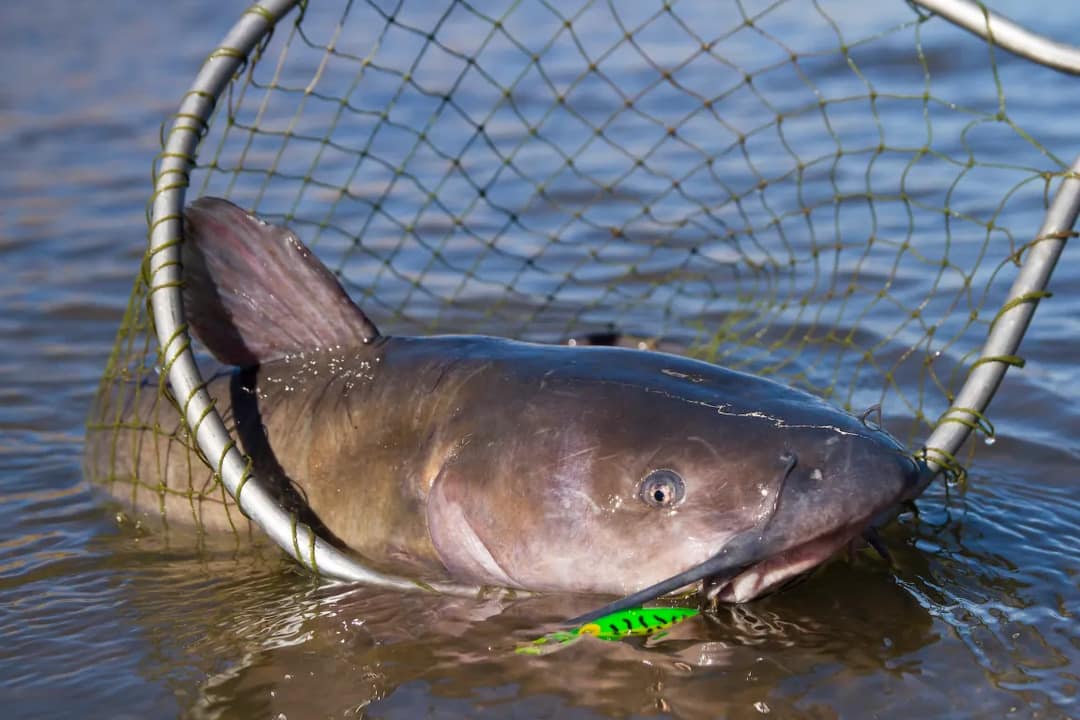

Finding where catfish naturally feed is the difference between soaking bait in empty water and putting a rig where a fish already expects food to appear. Catfish are often described as bottom feeders, but that phrase can mislead anglers into thinking they wander randomly across mud until they smell something. They do not. The best catfish spots usually have structure, current, cover, bait, and a clear reason for fish to stop, feed, and return.
I look at catfish water the same way I look at a good hunting setup: the location has to explain the behavior. A river bend, creek mouth, channel ledge, bridge piling, deep hole, or logjam is not automatically good just because it looks fishy. It becomes good when it creates access, concentrates food, provides cover, or gives catfish an efficient route between resting water and feeding water.
Why Finding Where Catfish Naturally Feed Matters
The most common mistake in catfish fishing is choosing a spot because it is convenient, not because it makes sense. A flat bank near a parking lot may produce fish, especially at night or during seasonal movements, but consistent catfish success usually comes from reading why fish should be there in the first place.
Catfish want efficiency. They use current, depth changes, cover, and scent trails to find meals without burning unnecessary energy. That is why strong spots often share the same ingredients. Food gets pushed, trapped, funneled, or exposed. The catfish do not have to chase randomly. They can hold near an edge and let the river, lake, or reservoir bring opportunities to them.
That is also why the phrase “bottom-oriented” needs context. Channel catfish, blue catfish, and flatheads all spend plenty of time near bottom, but they are not glued to it. They move vertically and horizontally when bait, oxygen, temperature, or current makes it worthwhile. A blue catfish may ride a channel edge near shad. A flathead may wait near timber beside current. A channel cat may work shallow flats after dark.
The key is logic. If a spot gives catfish food, comfort, and a travel lane, it deserves attention. If it offers only empty depth or random shoreline, it may look promising while producing very little.
River Bends Create Natural Feeding Lanes
River bends are classic catfish locations because they usually create depth variation and current complexity. The outside bend often scours deeper water, while the inside bend may collect sediment, bait, and softer edges. That creates a natural contrast between resting water and feeding water.
Big catfish use that contrast well. They can hold in the deeper outside bend during the day, then slide toward edges, flats, or current seams when feeding conditions improve. If debris, rock, wood, or a subtle drop is present, the spot becomes even stronger.
The best bend is rarely just the deepest bend. I want to see something that gives the fish a reason to pause. A current break, submerged tree, washout, eddy, or bait concentration can turn a bend from ordinary to productive. Without that extra ingredient, the bend may simply be a highway rather than a feeding station.
Anchoring above the bend and presenting bait along the seam can work well. So can casting to the downstream edge where scent moves naturally. The important point is not to throw blindly into the deepest water. Fish the transition. Catfish often sit where the pressure of current weakens but still delivers food.
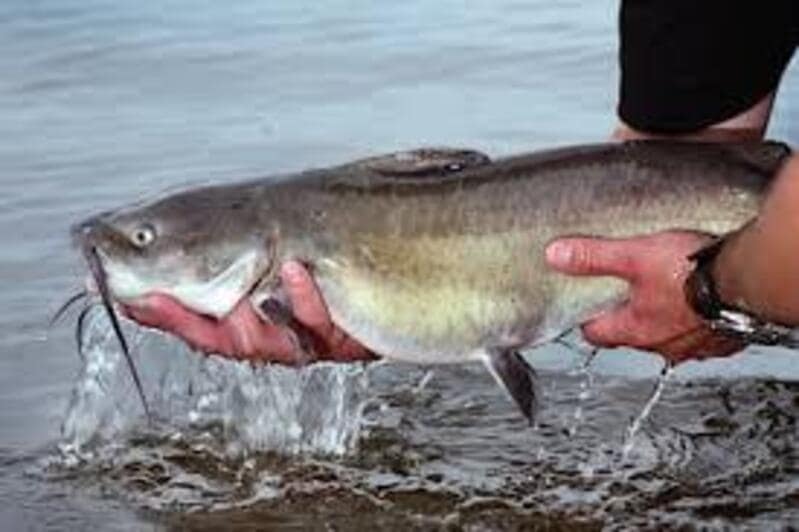
Deep Holes Are Resting Areas, Not Automatic Feeding Spots
Deep holes attract catfish anglers because they feel obvious. A deep pocket looks like the kind of place a big fish should live, especially during bright sun, cold fronts, or low-water periods. Sometimes that instinct is correct. But a deep hole is not always the best feeding zone.
Many catfish use deep holes as resting areas. They may sit there during the day, especially if the hole offers cooler water, security, and lower current. The strongest bite may happen not in the deepest middle but along the head, tailout, or edge of the hole where food passes.
That distinction matters. If an angler drops bait into the dead center and waits all afternoon, the rig may sit near fish that are not actively feeding. A bait placed on the upstream lip, downstream exit, or side seam may be far more appealing because it intercepts movement.
Deep holes become especially valuable when paired with nearby shallow feeding areas. A hole beside a mud flat, creek mouth, logjam, or channel ledge gives catfish a complete daily route. They can rest deep, then move a short distance to feed. That creates efficiency, which is one of the quiet patterns behind good catfishing.
Creek Mouths Concentrate Food And Movement
Creek mouths are among the best places to start because they connect small-water food movement with larger-water catfish routes. When water flows out of a creek, it can carry insects, baitfish, worms, small fish, and scent into the main river or lake. Catfish notice those transitions.
After rain, creek mouths can become especially productive. Fresh inflow may stain the water, add oxygen, and push food into a narrow zone. The edge where creek water meets the main body often becomes a feeding line. Catfish can sit just outside the push and pick off food without fighting the strongest flow.
The best creek mouths usually have depth nearby. A shallow creek pouring into a featureless flat may produce at night, but a creek mouth near a channel, ledge, or deeper pocket has more range. It gives fish options as light, temperature, and current change.
Bait placement should match the flow. One rod can sit close to the mouth, another on the downstream seam, and another slightly deeper where bigger fish may hang back. That approach gives you information quickly. If every bite comes from one line, the fish are telling you how they are using the spot.
Channel Ledges Are Prime Blue Catfish Territory
For blue catfish, channel ledges are often the heart of the pattern. A ledge is a travel route, an ambush edge, and a feeding boundary all in one. When shad or other baitfish move along or across that break, blue cats can use the depth change to feed efficiently.
A productive ledge does not need to be dramatic. A subtle drop from shallow water into deeper channel water can matter if bait is present. The real value comes from the combination of contour and food. Ledges without bait can be quiet. Bait without structure can scatter fish. Put both together and the setup becomes much stronger.
Understanding where catfish naturally feed also means recognizing that species behavior matters. Blue cats often roam more than flatheads and may track open-water forage more aggressively, especially in reservoirs and large rivers. That makes ledges, channels, and bait-rich transitions central to the search.
When fishing ledges, I like a methodical approach. Cast one bait onto the top of the ledge, one along the break, and one at the base if possible. That spread tests depth without guessing. Once bites reveal a pattern, tighten the setup. Good catfishing rewards precision, not just patience.
Bridges And Pilings Create Structure With Current
Bridges are natural fish magnets because they interrupt water flow and create hard structure. Pilings break current, collect debris, shade the water, and provide ambush points for predators. Catfish use those advantages, especially when food washes past the structure.
The downstream side of a piling can be excellent because the current slackens and forms an eddy. Bait drifting through that seam can settle into predictable lanes. Catfish can hold there comfortably while feeding on what the current delivers.
Bridge areas also often have deeper water, riprap, channel swings, or scoured holes nearby. That mix gives catfish multiple reasons to stay close. The structure offers security, the current offers food, and the depth offers escape.
Safety and legality matter around bridges. Some areas restrict fishing near certain structures, boat traffic can be heavy, and casting around concrete or steel requires stronger tackle. But when access is legal and safe, bridges deserve serious attention, especially during low light, rising water, or summer heat.
Dam Tailwaters Can Turn Current Into Opportunity
Tailwaters are powerful catfish locations because they compress food movement. Water released through or around a dam can disorient baitfish and push forage into defined current seams. Catfish often position below that turbulence, using the flow as a conveyor belt.
The strongest spot is not always the most violent current. In fact, big cats often hold along the softer edges where they can feed without wasting energy. Look for eddies, current breaks, seams, slack pockets, and transitions from fast water to slower water.
Tailwaters can be dangerous, so this is one area where judgment matters more than ambition. Water levels may change quickly, footing can be poor, and boat positioning can become risky. No catfish is worth ignoring warning signs or restricted zones.
From a fishing standpoint, heavier sinkers, durable leaders, and fresh cut bait usually make sense in tailwater current. The bait needs to stay in the strike zone long enough to be found. When it rolls constantly or snags instantly, the presentation loses control.
Mud Flats Near Deeper Water Are Better Than Random Flats
Mud flats can be excellent catfish feeding areas, particularly when they sit close to deeper water. Catfish may slide onto flats at night, after rain, during low-light periods, or when bait spreads shallow. The mud can hold worms, mussels, insects, and small forage that attract feeding fish.
The important phrase is “near deeper water.” A flat beside a channel, creek arm, or hole gives catfish a short route between comfort and feeding. A broad flat far from depth may still produce under the right conditions, but it is usually harder to pattern.
Night fishing often brings flats into play. Catfish that seemed unreachable in daylight may move surprisingly shallow once light fades. This is especially true for channel catfish, though blue cats and flatheads can also use shallow zones when food is present.
The best approach is to fish the edge first. Put one bait near the drop, one halfway onto the flat, and one shallower if conditions support it. Let the fish reveal their position. A flat is not just a place; it is a transition.
Fallen Trees, Brush, And Logjams Are Flathead Magnets
Flathead catfish are strongly associated with cover. They like places where they can hide, ambush, and dominate a small territory. Fallen trees, brush piles, root wads, boulder pockets, and logjams are all high-value flathead locations.
The trade-off is obvious: the better the cover, the harder it may be to land the fish. A big flathead hooked near a logjam does not need much time to bury itself. That means tackle, hook placement, drag setting, and rod angle all matter.
Live bait is often the best choice for flatheads where legal. A lively bait placed near cover can trigger the predatory response that cut bait may not. But presentation has to be controlled. Too close to the wood and the rig snags. Too far away and the fish may not move.
The sweet spot is often the edge of the cover, especially where current touches it. A flathead can sit tight inside the structure, then move a short distance to strike. That is ambush fishing, and it requires confidence in the spot.
Matching Species To The Right Feeding Zone
Not all catfish use water the same way. Channel catfish, blue catfish, and flatheads overlap in some areas, but each has tendencies that should shape the plan. Treating them as one generic fish is a fast way to miss better opportunities.
| Catfish Type | Best Feeding Areas | Strong Bait Choices | Key Strategy |
|---|---|---|---|
| Channel catfish | Creek mouths, flats, holes, riprap, ponds | Worms, shrimp, prepared bait, cut bait | Cover water and follow scent-friendly zones |
| Blue catfish | Channel ledges, river bends, flats near shad, deep edges | Fresh cut shad, skipjack, herring, legal baitfish | Track bait movement and fish travel routes |
| Flathead catfish | Logjams, timber, rocks, deep holes near current | Live bait where legal, large natural baits | Target cover edges and fish patiently |
This is where many anglers improve quickly. Instead of asking, “Where are the catfish?” ask, “Which catfish am I targeting, and what does that species want right now?” That shift creates clarity.
A channel catfish trip may be about scent and numbers. A blue catfish trip may be about baitfish and ledges. A flathead trip may be about one prime piece of cover and a long wait. Different targets require different discipline.
Reading Current Seams Like Feeding Lines
Current seams are one of the most useful features in catfish fishing. A seam forms where faster water meets slower water. Food often drifts along that boundary, and fish can hold on the soft side while watching the moving side.
This is true in rivers, tailwaters, creek mouths, and even wind-driven lake areas where water movement pushes bait into edges. Catfish are not always sitting in the strongest flow. They often sit beside it.
A bait placed directly in heavy current may tumble, snag, or wash out. A bait placed just inside the softer seam can stay put while still sending scent downstream. That is the difference between fishing hard water and fishing smart water.
The best seams often connect to structure. A bridge piling, rock point, ledge, bend, or logjam can strengthen the seam and make it more predictable. Current plus structure plus food is the kind of formula that creates consistency.
Why Bait Location Matters As Much As Bait Choice
Anglers love arguing about bait, and bait matters. Fresh cut shad, skipjack, worms, shrimp, dip bait, and live bait all have their place. But the best bait in the wrong location is still just bait in empty water.
Catfish rely heavily on scent, but scent has to travel through fishable water. In current, that means thinking about where the scent line goes. In lakes, it means thinking about wind, depth, and fish movement. A bait sitting behind the fish may never be found.
Freshness also matters. For blue cats especially, fresh cut bait usually outperforms bait that has lost its texture and scent quality. The cleaner the bait, the stronger the presentation. Old bait may still catch fish, but trophy fishing rewards better inputs.
For flatheads, bait behavior can be more important than scent alone. A struggling live bait near cover can create vibration, movement, and urgency. That kind of reaction bite is different from a channel cat following scent across a flat.
When To Stay And When To Move
Patience is part of catfishing, but patience without analysis becomes stubbornness. Good anglers know when a spot deserves time and when the water is telling them to move.
If the spot has bait, current, cover, and a clear feeding reason, it may deserve a longer sit. If nothing about the location explains why catfish should be there, do not let convenience make the decision. Move to better water.
A practical rule is to give a strong spot enough time for scent to work and fish to respond, then adjust. That may mean changing bait size, casting angle, depth, or distance before abandoning the area completely. Sometimes the fish are close, but the first presentation misses the lane.
The best moves are not random. Move from one logical feeding zone to another: from a creek mouth to a nearby ledge, from a hole to the tailout, from a flat to the channel edge, from dead cover to cover with current. That keeps the day organized around strategy.
How Seasonal Changes Shift Feeding Locations
Catfish locations change as water temperature, bait movement, spawning behavior, and oxygen levels change. A spot that produces in spring may slow in midsummer. A shallow flat that comes alive at night may be empty under midday sun.
Spring often pushes catfish toward warming shallows, creek mouths, and feeding areas near spawning movement. Early summer can make ledges, cover, and night patterns more important. Hot weather may concentrate fish near oxygen, current, deeper water, or shade. Fall often brings bait-driven feeding again as fish prepare for colder conditions.
This is why local observation beats generic advice. If shad are shallow, blues may follow. If river current rises after rain, creek mouths and seams may improve. If heat pushes fish into deeper comfort zones, daytime fishing may require different water than night fishing.
Seasonal thinking gives the angler a starting point, not a guarantee. The best anglers adjust because they understand change, not because they memorize spots.
The Trade-Off Between Easy Access And Better Water
Easy access matters. Many great catfish anglers started from banks, bridges, parks, and public shorelines. But the easiest place to fish is often the most pressured place to fish. That does not make it bad; it just means the angler has to be sharper.
At public spots, look for overlooked angles. Most people cast straight out. Try casting parallel to riprap, downstream of a bridge piling, along the edge of a flat, or toward the mouth of a small drain. Small differences in placement can matter.
Boat anglers have more mobility, but they can make their own mistake by moving too quickly or trusting electronics without reading the water. A boat offers range, not automatic success.
Bank or boat, the principle stays the same: fish where food naturally gathers. That is the whole game. When access, structure, and feeding logic come together, the spot has real value.
Conservation Starts With Understanding Place
Catfish are managed differently across regions. In some waters, blue cats are prized trophy fish. In others, they are part of an invasive-species problem that affects native fish and broader ecosystem goals. Anglers should know which situation applies before making assumptions about harvest or release.
That is why local regulations and management priorities matter. An ethical catfish angler does not apply the same rule everywhere. Harvest may be encouraged in one fishery while selective release may be better in another. The right decision depends on place.
This broader context is especially relevant as more anglers connect catfish tournaments with ecological outcomes, and a look at practical catfish conservation strategy can help frame how seasonal fishing pressure, public interest, and responsible harvest fit together.
The point is not to make fishing complicated. It is to make it more responsible. Knowing the water, the species, and the rules creates accountability and protects the future of the fishery.
Building A Better Catfish Plan
A good catfish plan starts before the bait hits the water. Pick the target species. Study the water. Identify feeding zones. Match bait to species and conditions. Decide how long each spot deserves. Bring gear strong enough for the fish you hope to catch.
For channel catfish, that may mean creek mouths, flats, worms, prepared bait, and a willingness to cover water. For blue cats, it may mean fresh cut bait, ledges, shad movement, and larger gear. For flatheads, it may mean live bait near cover and fewer, more deliberate setups.
The plan should also include handling. A fish intended for release deserves care. Wet hands, proper support, fast photos, and quick revival all matter. A fish intended for harvest deserves respect too: clean handling, legal limits, and no waste.
Better catfish fishing is not built on secrets. It is built on execution. The angler who consistently puts good bait in natural feeding zones will usually outperform the angler waiting for luck in random water.
What Catfish Anglers Should Think About Next
The next step is simple: stop treating catfish as if they are everywhere at once. They may be widespread, tough, and opportunistic, but the best bites still happen in specific places for specific reasons.
Look for river bends that create travel lanes. Fish deep holes by their edges, not just their centers. Treat creek mouths as food funnels. Work channel ledges when bait is nearby. Respect bridge pilings, tailwaters, mud flats, and logjams as functional feeding environments rather than scenic background.
That shift changes the entire experience. Instead of waiting passively, the angler starts reading water actively. Every cast has a purpose. Every bite teaches something. Every dead spot gets evaluated and improved upon.
Fishing where catfish naturally feed matters because it turns catfishing from a waiting game into a decision-making craft. The opportunity is better action, larger fish, and more confident trips. The risk is clinging to old habits that place bait where catfish have little reason to be. The anglers who learn to read food, current, cover, and structure will keep finding better water, and that is why understanding where catfish naturally feed remains the foundation of catching more cats.


