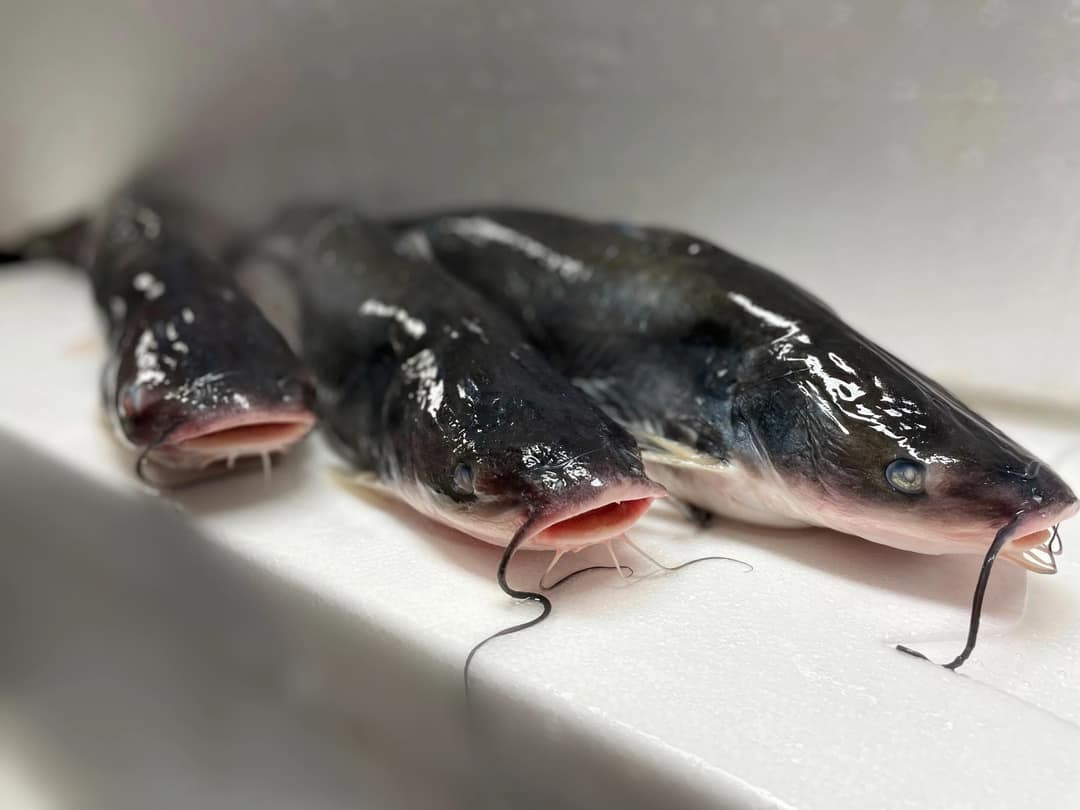

In a striking example of the risks associated with online marketplaces, wildlife enforcement officers from the Louisiana Department of Wildlife and Fisheries (LDWF) recently uncovered illegal fish trading activities in St. Charles Parish. Their investigation was triggered not by a routine patrol, but by a Facebook post that openly promoted the sale of catfish fillets sales that ultimately violated multiple state regulations.
How Facebook Sparked the Investigation
On December 27, 2025, a Facebook advertisement caught the attention of LDWF agents. The post featured bags of catfish fillets offered for sale, with details about portions and pricing supplied in response to customer inquiries in the comments. The seller, Troy Matherne of Bayou Gauche, was offering both one- and two-pound bags, advertising bulk deals for larger purchases.
Prompted by this public post, agents accessed LDWF databases to verify the seller’s authorization. Their search revealed that Matherne did not possess any state-issued commercial fishing or sales licenses. This irregularity set the wheels of an official inquiry in motion.
Investigating Unlicensed Fishing Operations
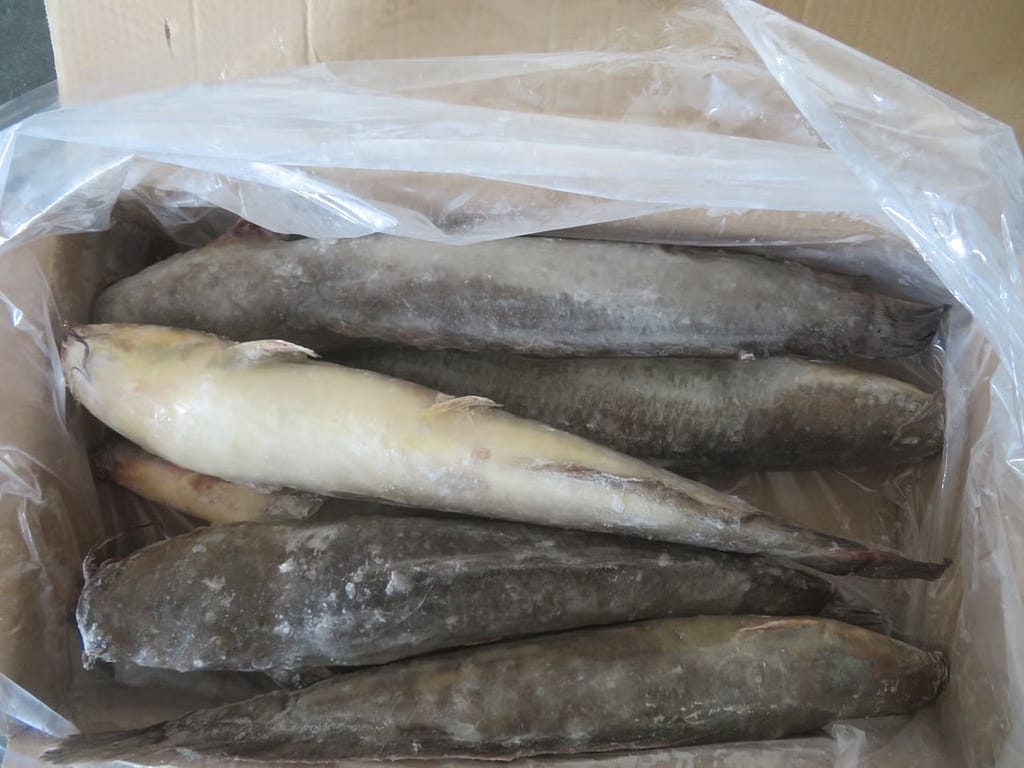
In early January, agents paid a visit to Matherne to verify compliance with state fisheries laws. In the course of their inspection, they learned that Matherne had been selling fish caught by another local resident, John Tregle of Des Allemands. Digging deeper, officers found that neither individual was licensed to engage in commercial fishing or fish sales. Furthermore, Matherne admitted to selling processed catfish fillets in prior months, neglecting both required documentation and proper labeling.
According to the Louisiana Department of Wildlife and Fisheries , not only is a commercial fishing license mandatory for resale, but detailed trip records including catch size and origin must be maintained and available for inspection.
Violations of State Fish Processing Laws
Beyond issues of licensing, agents also identified several breaches of regulations governing the processing and sale of wild catfish. Louisiana’s Small Wild Catfish Processor’s Act mandates that all packaged fish be clearly labeled, a measure designed to protect consumer health and traceability. The catfish fillets offered by Matherne were sold in plain, unlabeled freezer bags, with no indication of species, processor details, or date packed.
These labeling omissions are considered severe in the context of food safety protocols, as they make it difficult for health authorities to track the supply chain in case of contamination or recall.
Penalties for Commercial Fishing Infractions
The consequences for violating Louisiana’s commercial fishing and processing statutes are serious. Those found guilty may be subject to fines ranging from $25 up to $950 depending on the specific infraction, as well as potential jail time stretching to 120 days. Such regulations are not mere technicalities: they help safeguard the state’s fisheries, uphold fair competition, and ensure that consumers receive safe, properly documented seafood.
The Broader Implications of Online Fish Sales
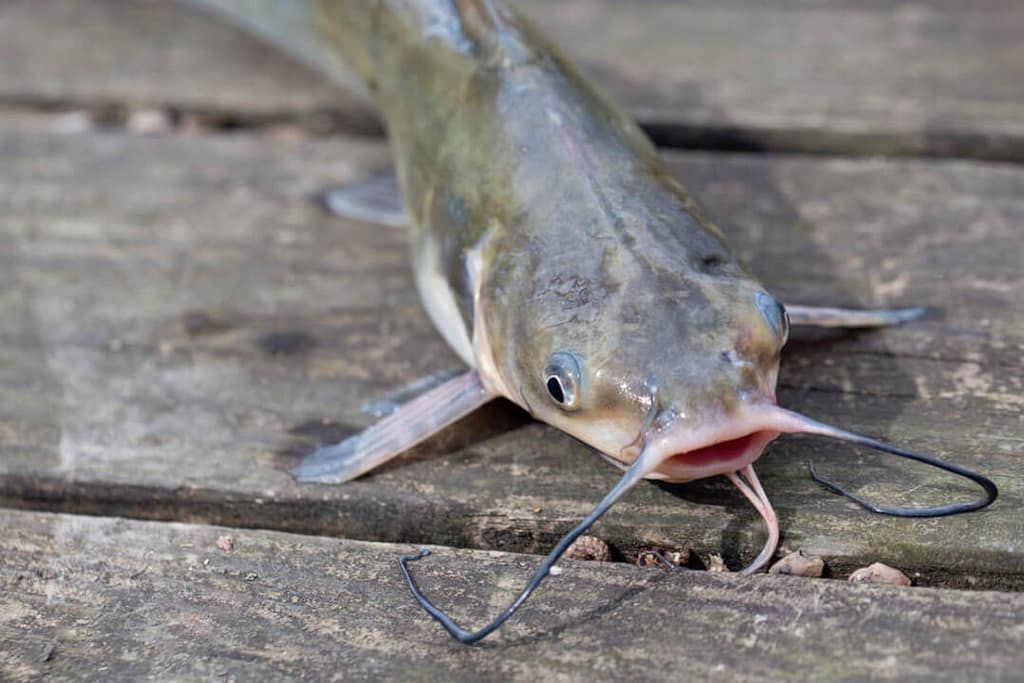
The rise of online marketplaces and community groups has made it easier than ever for individuals to reach potential buyers for everything from homegrown vegetables to locally caught fish. However, as this case illustrates, engaging in commercial food sales without observing regulatory requirements carries significant legal risk. Enforcement officials are increasingly monitoring social media platforms for evidence of unlicensed activity.
This trend is not unique to Louisiana; similar crackdowns have taken place nationwide, as highlighted by reports from the National Oceanic and Atmospheric Administration (NOAA), which tracks both recreational and commercial fish trade in the U.S.
Transparency Is Key in Local Seafood Sales
The exposure of unlawful fish sales in St. Charles Parish stands as a cautionary tale for commercial fishers and local entrepreneurs. Adherence to fishing, licensing, and food labeling laws ensures that seafood remains safe, traceable, and legally sourced for Louisiana consumers. As state wildlife officers demonstrated, public platforms like Facebook are not beyond the reach of regulatory oversight, and transparency is vital for all local food businesses hoping to avoid costly penalties.


