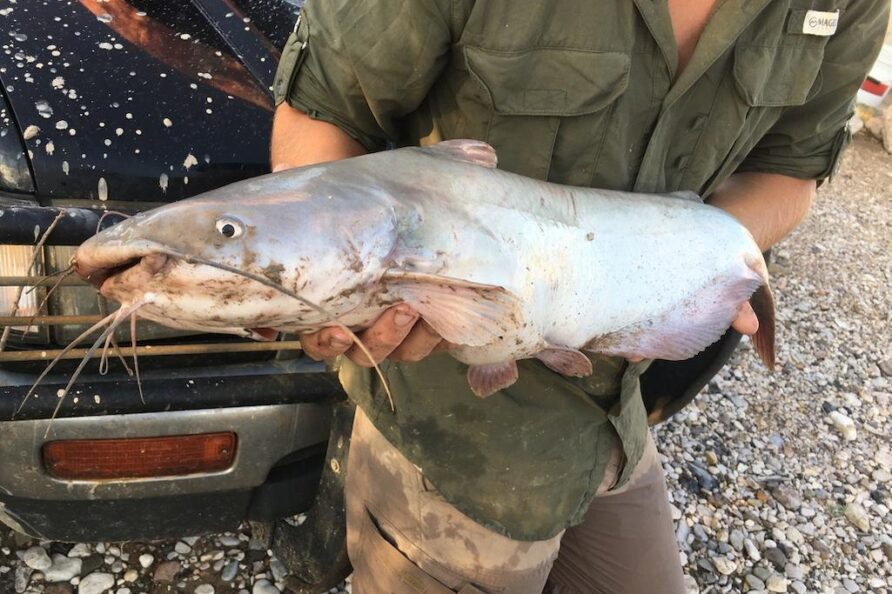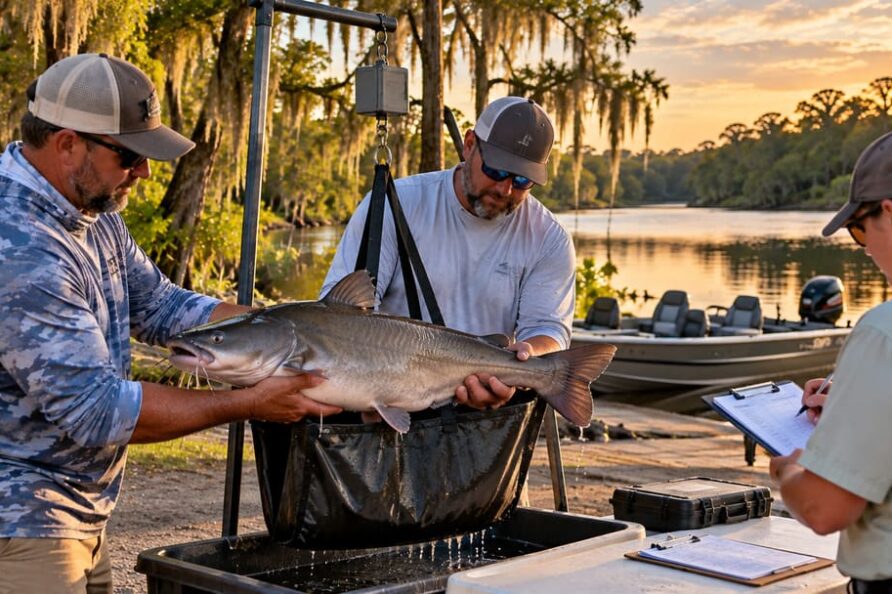


Fresh Cut Catfish Bait is not a minor tackle choice; it is often the difference between soaking a line and putting a real scent trail in front of feeding fish. On lakes, rivers, reservoirs, and tidal systems, the anglers who adapt bait size, freshness, and placement to the species in front of them usually make better decisions than the ones chasing shortcuts.
Why Fresh Cut Catfish Bait Comes First
I put fresh cut bait first because catfish are not simply looking for something that smells strong. They are reading the water through scent, vibration, current, and opportunity, and fresh bait gives them a more believable signal than something that has been frozen too long, sun-baked, or washed out on the hook.
That distinction matters. A bait can smell intense and still fish poorly if it does not match the forage in the system or if it falls apart before a fish commits. Fresh cut shad, herring, skipjack, carp, or other legal baitfish release oil, blood, and tissue in a way that creates confidence for both the angler and the fish.
The point is not that every catfish requires cut bait. Channel cats often respond well to punch bait, stink bait, shrimp, chicken liver, nightcrawlers, and other high-scent offerings. Flatheads frequently demand live bait, especially near cover. But for an all-around starting point, especially when bigger blue cats or quality mixed bags are possible, fresh cut bait gives the angler a clean baseline.
I like starting with the most natural presentation before reaching for novelty. If the water already holds shad, carp, herring, or similar forage, a fresh piece of that food source makes sense. The more natural the bait feels inside the lake’s existing food web, the easier it is to trust the setup and focus on placement.
What Fresh Cut Bait Really Means
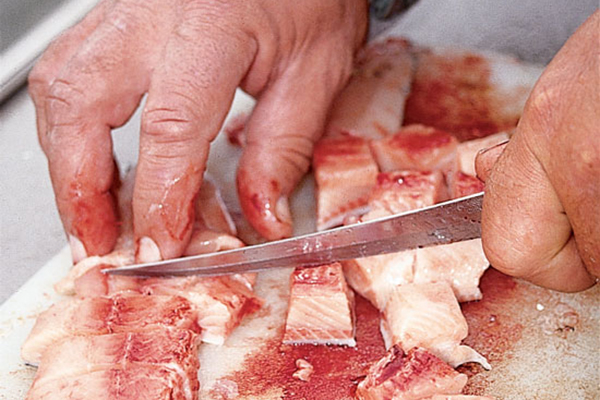
Fresh cut bait is not just any piece of fish on a hook. It is bait that still has texture, oil, color, and enough integrity to stay in the strike zone. The best pieces have quality you can see and feel: firm flesh, visible bloodline, natural scent, and clean cuts.
A tired bait looks dull. It may turn pale, mushy, or dry. It may still catch a fish, especially when catfish are aggressive, but it loses the sharp edge that makes cut bait so productive. When the bite is uncertain, that edge becomes value.
Body chunks give mass and scent. Head sections hold well and release scent slowly. Fillet strips add movement in current. Smaller cubes help when fish are tentative or channel cats are pecking at larger pieces. That adjustment can protect opportunity.
What should an angler avoid? Overhandling bait, leaving it in hot sun, soaking it until lifeless, and cutting every piece the same size. Freshness is not only when the bait was caught; it is care until it hits the water.
A current regional update on Fresh Cut Catfish Bait reinforces the same practical theme many anglers already recognize: cut bait becomes especially convincing when fish are prowling ledges and shallow flats looking for food. I treat that as a useful reminder to pair timing with location, not as permission to cast randomly.
Matching Bait To The Catfish In Front Of You
The phrase “catfish bait” can be too broad to be useful. Blue catfish, channel catfish, and flathead catfish overlap in some situations, but they do not always respond to the same presentation. Good bait selection begins with clarity about the target.
Blue catfish are often the strongest argument for fresh cut bait. They are built for roaming, intercepting forage, and feeding heavily when conditions line up. Cut shad, cut skipjack, cut herring, and cut carp can all be effective where legal and available. For bigger blues, I generally want a bait with oil and body. A small scentless scrap rarely has the same authority.
Channel catfish are more flexible. They will eat fresh cut bait, but they also respond well to punch bait, stink bait, shrimp, chicken liver, nightcrawlers, and prepared baits. When the goal is more bites, not necessarily the biggest fish in the system, downsizing can be smart. Smaller baits create faster feedback.
Flathead catfish change the conversation. They will take cut bait at times, but live bait usually deserves priority when targeting them seriously. A live bluegill, live shad, or live sunfish can be the right call where regulations allow it. Bait laws differ, and responsible anglers check local rules before making a choice.
Here is the practical bait framework I would use before a trip:
| Target Catfish | Strong Starting Bait | Best Use |
|---|---|---|
| Blue catfish | Cut shad, cut carp, cut skipjack, cut herring | Larger fish, ledges, channels, flats, reservoirs |
| Channel catfish | Punch bait, stink bait, shrimp, chicken liver, worms | More bites, bank fishing, ponds, warmer shallow water |
| Flathead catfish | Live bluegill, live shad, live sunfish where legal | Cover, logjams, holes, nighttime ambush zones |
The table is simple by design. The harder part is knowing when to change. If blue cats are short-striking large chunks, trim the bait. If channels are stealing soft bait, toughen the presentation. If flatheads are present but inactive, move closer to cover and fish slower. Bait choice is flexibility expressed as strategy, not a fixed identity.
Why Structure Still Decides The Bite
The best bait in the cooler still needs to land where catfish are willing to travel, rest, or feed. That is why I never separate bait from structure. Fresh cut bait is powerful because it creates a scent trail, but a scent trail only matters when fish can reasonably encounter it. Structure gives scent direction and practical focus.
Ledges are a prime example. Catfish use them because a ledge gives quick access to depth change. Fish can hold low, slide up, and patrol the edge without wasting energy. A chunk of fresh bait placed on the lip, face, or base of a ledge has more purpose than the same bait tossed onto a featureless flat.
Shallow flats can be productive when conditions support feeding. Wind, low light, stained water, nearby depth, and baitfish activity can all improve the odds. A shallow flat beside a channel or creek mouth is more interesting than a flat with no obvious connection to deeper water. The difference is context.
Main channels and deep coves matter for similar reasons. They provide routes and holding zones. Catfish may not feed in the deepest water all day, but they often use deeper areas as staging water before moving up. A cut bait placed near the transition, rather than blindly in the middle, usually gives better efficiency.
For readers thinking through where bait should go before worrying about what bait to use, lake-structure bait placement is the larger framework that turns fresh bait into a more deliberate plan.
Bigger Fish Require A Different Mindset
When I fish for bigger catfish, I do not simply make everything heavier and hope. I become more selective. Bigger fish are not always harder to catch because they are smarter in a human sense; they are harder because they occupy different places, feed on different windows, and punish sloppy execution.
A larger piece of oily baitfish can be the right move because it filters smaller fish and creates a stronger scent profile. The head, shoulder, or thick body chunk of a shad or carp may sit better, last longer, and appeal to a fish that wants a substantial meal. This is where patience becomes part of the presentation.
But there is a trade-off. Large bait can reduce bite frequency. It can also mask light pickups or give hesitant fish too much time to reject the bait. The angler has to decide whether the goal is a personal-best fish, a tournament upgrade, or a steady day of action. That goal shapes bait size and discipline.
For more bites, I usually go smaller, cleaner, and more repeatable. A moderate chunk of cut bait, a prepared channel-cat bait, or a worm-and-shrimp approach may put more fish in the boat. A good day is not always measured by the largest fish. Sometimes the better measure is whether the angler made the right decision.
The Freshness Problem Most Anglers Ignore
Many anglers talk about bait as if catching or buying it is the hard part. Keeping it in good condition can be just as important. Warm air, direct sun, dirty cutting boards, and repeated handling can drain a bait of the traits that made it useful. That is hidden risk.
I like to keep bait cool but not frozen into a useless block. I want it firm enough to cut cleanly and fresh enough to bleed and release scent. If the day is hot, bait management becomes a quiet form of preparation. The better the cooler discipline, the better the bait fishes over several hours.
Changing bait matters too. A piece that has soaked too long can lose its scent output and texture. In current, it may wash out quickly. In warm water, it may soften. If a bait comes back looking lifeless, I do not debate it. I replace it. That small act protects momentum.
There is also a cleanliness issue. A sharp knife, stable cutting board, and organized bait container make better fishing possible. Plain details often determine whether an angler fishes efficiently or spends the whole trip untangling hooks, searching for bait, and reacting late. Clean systems create control.
Rigs That Let Cut Bait Work
A rig should help the bait fish naturally. It should not overpower the presentation. Usually, a slip-sinker rig is the cleanest starting point because it keeps bait near bottom while allowing natural movement. That balance creates simplicity.
The basic setup is familiar: main line, sliding sinker, bead, swivel, leader, hook. The details depend on water. In current, a no-roll sinker often holds better. In calmer water, an egg sinker may be enough. Leader length should match bottom conditions. Wrong length creates unnecessary cost.
Circle hooks are a strong choice for many cut-bait situations because they reward a steady load rather than a violent hookset. That requires restraint. When the rod bends, I reel into the fish and let the hook do its work. That habit improves consistency.
Hook size should match bait size, not ego. A large bait needs enough hook gap to stay exposed. A small bait on an oversized hook can look awkward and reduce hookups. Terminal tackle is not decorative; it is the final connection between intent and result. That is where precision matters.
Anglers who want broader catfish context can use fresh catfish bait strategy to connect species behavior, rigging, and proven presentations with lasting relevance.
Reading The Bite And Adjusting Fast
A catfish bite tells a story, but only if the angler brings real attention. A hard takedown is easy to interpret. The smaller clues matter more: taps, short pulls, picked-clean hooks, bait rolled off-center, or fish caught only on one edge of the spread. Those details reveal pattern.
If baits come back stripped, I downsize or toughen the bait. If fish are hooked outside the mouth or missing the hook, I adjust hook placement. If only one rod gets touched, I study that rod’s depth, distance, angle, and bait size. That rod is giving evidence.
Movement is part of the adjustment. I do not leave a good spot too quickly, especially if the structure makes sense. But I also refuse to turn hope into a strategy. If a ledge, flat, channel edge, or cove fails to produce signs of life after a fair test, the next move should be deliberate. Fishing well requires judgment.
Weather can change the answer. A wind-blown bank may turn on. A shallow flat may improve near sunset. A channel edge may matter more under bright midday sun. The bait can stay the same while the location changes. That is often the right sequence: protect the bait quality, then search for the better angle.
The Risk Of Chasing Trends
Catfish anglers love bait debates, and some of those debates are useful. The problem starts when bait becomes a substitute for thinking. A new mixture, secret scent, or viral trick can distract from the basics: fresh bait, legal bait, good structure, proper rigging, and productive water. That distraction creates noise.
Fresh cut bait is not fashionable because it sounds exciting. It works because it lines up with how many catfish feed. That gives it credibility. Still, it is not universal. A pond full of channel cats may reward punch bait. A logjam holding flatheads may demand live bait. A pressured lake may require downsizing. The best anglers avoid rigid loyalty to any single approach.
The real risk is overconfidence. A bait that worked last week may fail today. A bait that worked in one reservoir may be ordinary in another. Local forage, water clarity, current, temperature, pressure, and species mix all matter. Good bait strategy requires adaptation.
That is why I treat bait as part of a system rather than a magic object. The bait sends the message. The rig delivers it. The structure positions it. The angler interprets the response. When all four parts align, catfishing becomes less random and more repeatable.
What To Think About Before The Next Cast
Before the next cast, I want an angler to ask three questions. Is the bait fresh enough to be persuasive? Is the size matched to the fish being targeted? Is the bait placed where catfish have a reason to move? Those questions create clarity.
If the goal is a bigger blue cat, start with a fresh, oily chunk around ledges, channel edges, deep coves, or flats connected to deeper water. If the goal is channel cat action, keep smaller baits ready and do not overlook punch bait, shrimp, chicken liver, or worms. If the goal is a flathead, think cover, low light, and live bait where legal. Each target demands its own priority.
Fresh Cut Catfish Bait matters now because spring and early warm-season fishing often puts catfish in feeding positions where scent, oil, and natural forage cues can quickly separate a productive setup from a dead one. The opportunity is simple but not simplistic: keep the bait fresh, choose it for the species, place it on meaningful structure, and let the fish tell you what to change next.