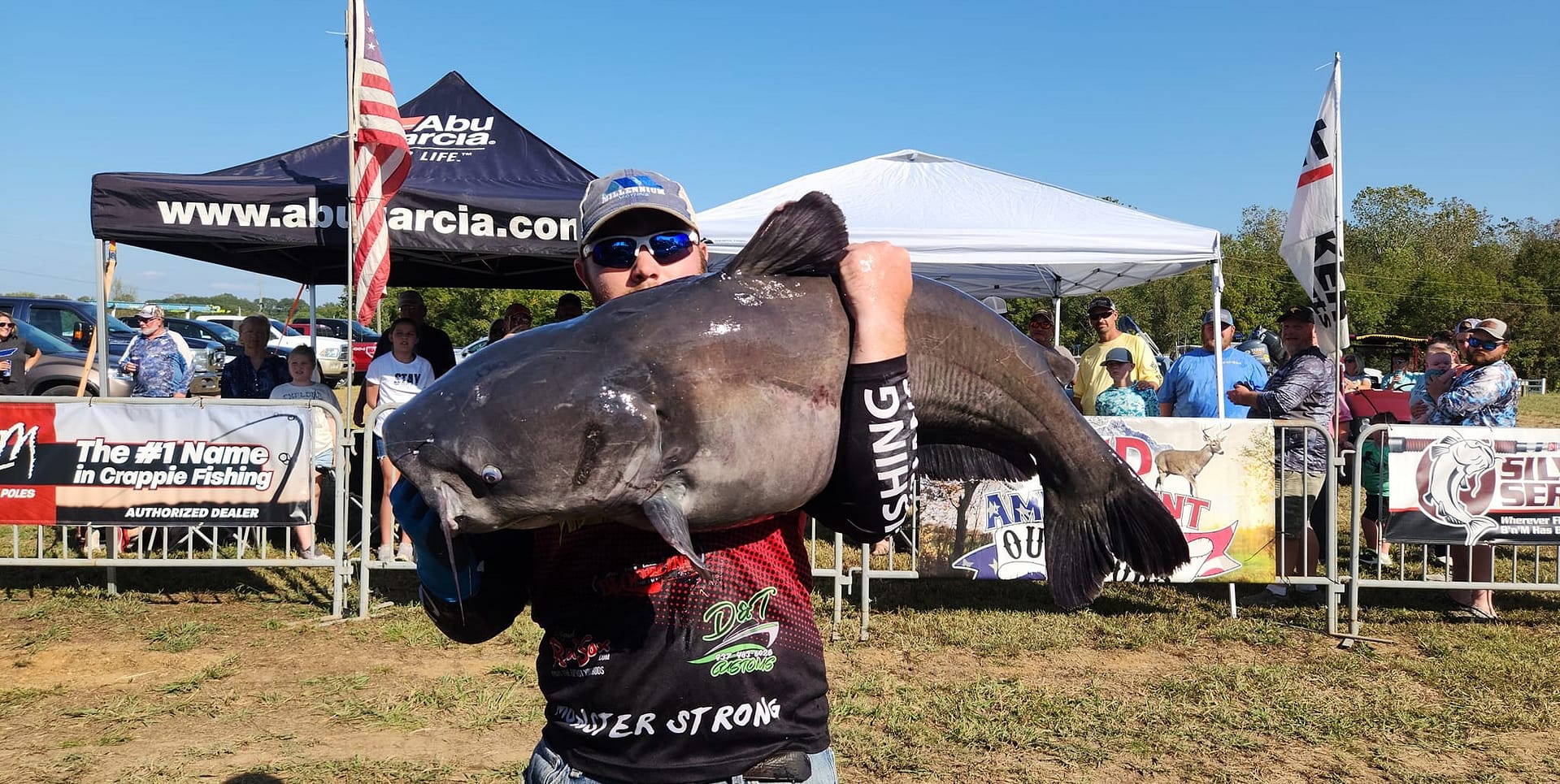

World Catfishing Championship is arriving at a moment that reveals where catfish fishing is headed: bigger crowds, sharper competition, better gear, and a more visible industry culture. Owensboro, Kentucky, gives the event a riverfront stage, but the larger story is not just where anglers will gather on May 15–16, 2026; it is why this kind of championship-and-expo format now carries real weight for the sport.
Why The World Catfishing Championship Matters Now
Catfish fishing has always had a split identity. On one side, it is personal and local: a bank spot after work, a jon boat at daylight, a family cooler packed for a long evening beside the water. On the other side, it has become more technical, more organized, and more commercially serious. The World Catfishing Championship sits at that intersection, where tradition meets momentum.
A championship creates a competitive standard. An expo creates a marketplace. A riverfront host city creates a destination. Put those elements together and the result is a gathering that can influence how anglers buy, rig, travel, compete, and talk about the sport for the rest of the season.
I do not see this as a simple fishing weekend. I see it as a signal. Catfishing is gaining more public structure around what many anglers have known for years: this is a demanding, strategic, gear-sensitive style of fishing with a passionate base. Big catfish are not accidental prizes. They reward water knowledge, bait quality, boat control, mapping, seasonal timing, and emotional discipline under tournament pressure.
The official World Catfishing Championship presence places the tournament beside the National Catfish Expo, which is important because it turns the event into both a contest and an industry meeting point. That combination gives the weekend a different kind of authority than a stand-alone weigh-in.
Owensboro Gives The Event A Stronger Stage
Owensboro is not just a convenient location on a flyer. Its riverfront identity gives the event a sense of place, and place matters in fishing culture. The city sits on the Ohio River, one of the great catfish corridors in the country, which gives the championship a natural connection to the water.
The venue matters too. The Owensboro Convention Center provides the infrastructure for exhibitors, boats, retail displays, seminars, spectators, and tournament activity to coexist. The event page for the National Catfish Expo and championship tournament anchors the gathering at 501 West 2nd Street, putting it directly in the kind of riverfront setting that helps a fishing event feel alive.
There is a subtle advantage in that. Anglers want authenticity. Vendors want traffic. Families want enough around the event to justify the trip. A convention center near the river can serve all three audiences without forcing the event to choose only one identity.
That is a meaningful shift in how catfish events are being packaged. The old model was often focused almost entirely on the competitors. The new model invites the public, the tackle industry, boat builders, content creators, local tourism partners, and curious new anglers into the same space. That broadens the value of the weekend.
The Championship And Expo Format Changes The Stakes
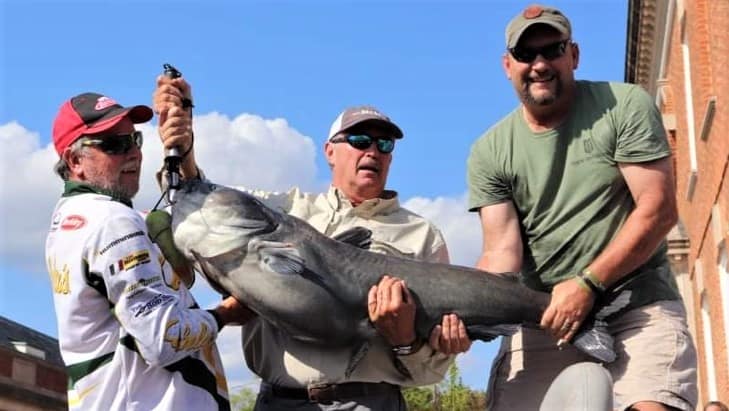
A tournament by itself measures performance. An expo by itself displays products. The interesting part here is the merger. When the championship and expo happen under one banner, they create a feedback loop between what anglers use, what vendors sell, and what spectators learn.
That loop is powerful. A competitor may walk the expo floor and compare rods, electronics, hooks, nets, bait tanks, planer boards, anchors, and boat layouts. A new angler may watch tournament culture up close and suddenly understand why serious catfish anglers obsess over boat positioning and livewell management. A vendor may hear competitors describe real problems, not theoretical ones. That conversation creates pressure on the market.
The result is not just selling. It is refinement. Better products come from better questions. Better anglers ask those questions because they feel the difference between gear that looks good and gear that survives a long tournament day. That is where the expo has real credibility.
I also like what this format does for spectators. Catfish tournaments can be hard to understand from the outside because much of the skill happens away from the crowd. The expo gives non-competitors an entry point. They can see the boats, touch the tackle, hear the strategy, and watch the weigh-in with more context.
That matters because growth in any fishing sector depends on translation. The sport has to explain itself without flattening what makes it special. A championship tells people who won. An expo helps them understand why winning is hard.
What The Event Signals About Competitive Catfishing
Competitive catfishing has matured. That does not mean every trail is polished or every event has the same resources. It means the expectations around serious competition have changed. Anglers now think in terms of mapping, bait networks, weather windows, safety, fish care, rule interpretation, sponsor visibility, and media presence. The bar is rising.
The World Catfishing Championship reflects that rise. A title event carries a different psychological load than a normal weekend tournament. Anglers are not just fishing for a check; they are fishing for recognition. That recognition can affect reputation, sponsorship opportunity, and long-term standing inside the community.
The trade-off is obvious. Bigger stages create bigger scrutiny. Rules must be clear. Communication must show clarity. Weigh-ins must feel fair. Fish handling must be taken seriously. Safety decisions become more visible. When an event grows, the margin for casual management shrinks.
That is not a criticism. It is the cost of scale. If catfishing wants larger events, stronger coverage, and more public attention, it also has to accept higher expectations. The best organizations will treat that as an opportunity to build trust rather than as a burden.
A serious angler benefits from competitive catfish tournament preparation long before lines go in, because the strongest teams usually win parts of the tournament before launch day through planning, scouting, gear checks, and calm execution.
What Attendees Should Watch For
The easy answer is boats, rods, reels, bait, and big fish. Those will matter. But if I were walking the floor as an editor, angler, or industry observer, I would watch for deeper signals.
First, I would watch how brands talk about real use. Catfish anglers are practical buyers. They care less about polished slogans and more about whether a rod can handle heavy current, whether a net gives enough reach, whether electronics help interpret river structure, and whether a boat layout makes fishing safer and more efficient. The best products will communicate utility quickly.
Second, I would watch seminar themes and informal conversations. What are anglers asking about? Current seams? Side imaging? Live bait? Cut bait freshness? Tournament fish care? Bank access? Those questions reveal where the market feels uncertainty and where education has the most impact.
Third, I would watch the mix of audiences. A healthy expo should not feel like a closed room for insiders only. The sport needs veterans, but it also needs youth anglers, families, casual bank fishermen, weekend boaters, and people who may be discovering catfishing for the first time. The more accessible the room feels, the stronger the future pipeline becomes.
Here is the practical way I would read the event from the outside:
| Event Dimension | What To Watch | Why It Matters |
|---|---|---|
| Tournament Field | Team preparation, fish care, rule discipline | Shows how serious the competitive standard has become |
| Expo Floor | Boats, rods, electronics, terminal tackle, bait systems | Reveals where catfish gear demand is moving |
| Spectator Experience | Seminars, weigh-ins, family access, vendor interaction | Determines whether casual interest becomes long-term participation |
| Industry Presence | Brands, builders, guides, creators, tourism partners | Shows whether catfishing is expanding as a business category |
| Local Setting | Riverfront access, hospitality, travel convenience | Shapes whether the event feels like a destination |
The Gear Story Is Bigger Than Shopping
Fishing expos are often treated as buying opportunities, and they are. Many attendees will show up ready to compare rods, reels, boats, electronics, hooks, lines, anchors, bait tanks, and storage systems. Yet the deeper gear story is about confidence.
Catfish anglers buy gear to solve problems. They want to hold bottom in current. They want to keep bait lively. They want to drift more cleanly. They want to land heavy fish safely. Every purchase is tied to a problem the angler has experienced, and every serious purchase carries a question about reliability.
That is why an expo tied to a championship has more energy than a standard retail environment. Tournament anglers make gear feel consequential. A rod on a rack is one thing. The same rod discussed beside a boat that just fished heavy water has a different kind of evidence behind it.
Vendors should understand this audience. Catfish anglers are not impressed by complexity for its own sake. They respond to durability, honest explanations, and products that make hard fishing less punishing. The brands that win attention will be the ones that respect the buyer’s judgment.
For the average attendee, the smartest approach is not to buy everything that looks exciting. It is to identify one or two weak points in the current setup. Maybe boat control is the issue. Maybe terminal tackle is inconsistent. Maybe bait storage is holding back longer trips. Focused upgrades produce more return than impulse buying.
The Cultural Side Of Catfishing Is Becoming More Visible
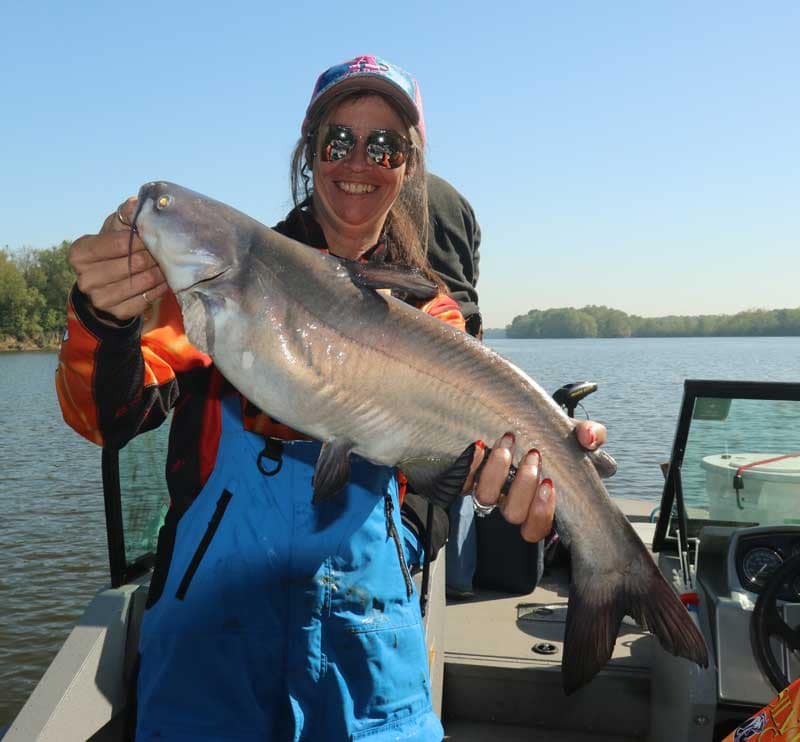
One reason this event is compelling is that it makes catfish culture visible. Catfishing has always had strong local communities, but they were often fragmented by region, river system, tournament trail, or online group. A major expo gathers those identities into one room and gives them shared visibility.
That visibility matters. Culture shapes how newcomers enter the sport. If the public sees catfishing as welcoming, skilled, practical, and exciting, participation grows. If it sees only insider language and closed circles, growth slows. Events like this create a public-facing identity for the sport.
There is also a storytelling opportunity. Catfish anglers have some of the best stories in freshwater fishing: long nights, brutal current, missed giants, last-minute weigh-in drama, family teams, bank-fishing grit, handmade bait systems, and quiet lessons passed down over decades. A championship weekend gives those stories a common stage.
The challenge is to keep that culture grounded. As events get bigger, the temptation is to over-polish the sport until it loses its working-river character. Catfishing does not need to imitate bass fishing, saltwater tournaments, or outdoor lifestyle branding too closely. Its strength is its own personality: patient, tough, inventive, social, and deeply tied to place.
That authenticity is worth protecting. The event should feel professional without feeling sterile. It should welcome sponsors without letting commerce drown out community. It should celebrate champions without making ordinary anglers feel irrelevant. Balance is the real test.
The Risks Behind A Bigger Catfish Stage
Bigger events bring opportunity, but they also bring risk. The first risk is overpromising. When an event carries championship language, attendees expect organization, energy, and value. Competitors expect clarity. Vendors expect traffic. Spectators expect something memorable. Meeting all those expectations requires serious management.
The second risk is losing the angler-first foundation. An expo can become too commercial if it forgets the water. A tournament can become too insular if it ignores the public. The strongest version of the Owensboro weekend will connect those audiences rather than separating them into different worlds.
The third risk is regional imbalance. Catfish fishing is broad, and techniques vary across rivers, reservoirs, and states. A national-style event should leave room for multiple approaches. Blue cat specialists, channel cat anglers, flathead hunters, bank fishermen, guides, family anglers, and competitive teams all carry different knowledge. Good programming will treat that variety as richness, not clutter.
The fourth risk is fish care perception. Catfish tournaments must take handling seriously, especially when public attention increases. Anglers understand the importance of livewell systems, oxygen, water temperature, and responsible weigh-in processes, but spectators may judge the sport by what they see in a few moments. That creates a need for visible accountability.
None of these risks are reasons to avoid ambition. They are reasons to manage ambition carefully. Growth without governance creates distrust. Growth with thoughtful standards creates resilience.
Why This Could Influence The Rest Of The Season
A mid-May championship-and-expo weekend can shape the season because it arrives when many anglers are already thinking seriously about warm-weather catfish patterns. Spring transitions, rising water temperatures, changing bait movement, and tournament schedules all make this a high-attention point on the calendar.
The event could influence tackle decisions immediately. Anglers may leave with new gear, new rigging ideas, or a clearer understanding of what serious competitors are doing. It could influence travel plans as well, especially for families and teams looking for future tournament destinations. It could influence online conversation through weigh-in coverage, product reactions, and angler takeaways.
It may also influence how the broader outdoor market views catfishing. A strong turnout tells brands that catfish anglers are organized, engaged, and worth serving. That can attract more product development, better media coverage, and stronger event support. A visible community has more leverage than a scattered one.
The lesson is simple: catfishing grows when the sport becomes easier to understand without becoming less serious. A major expo can reduce the distance between expert and beginner. A championship can raise the ceiling. Together, they create a ladder.
What Readers Should Think About Next
For competitors, the question is preparation. Have you built a plan that can survive changing conditions? Have you checked every rule, system, battery, bait process, safety item, and communication step? At this level, small failures become expensive. Preparation is not glamorous, but readiness is often decisive.
For attendees, the question is purpose. Are you going to shop, learn, network, watch, or bring family into the sport? A large event is more useful when approached with intention. The floor will offer plenty to see, but the best takeaways come from asking sharper questions.
For vendors, the question is trust. Catfish buyers can be loyal, but they are rarely careless. They want products that work after the excitement of the booth fades. Honest demonstrations, specific use cases, and respect for experienced anglers will build more loyalty than exaggerated claims.
For the sport, the question is direction. Does catfishing want bigger stages? If so, it has to keep improving event quality, education, fish care, media presentation, and newcomer access. That is not selling out. That is building resilience.
The World Catfishing Championship in Owensboro matters because it gives catfish fishing a concentrated moment of competition, commerce, and culture at a time when the sport is ready for a broader audience. The opportunity is significant, but so is the responsibility: if the event delivers substance along with spectacle, World Catfishing Championship can become more than a title weekend; it can become a marker for where modern catfishing goes next.


