
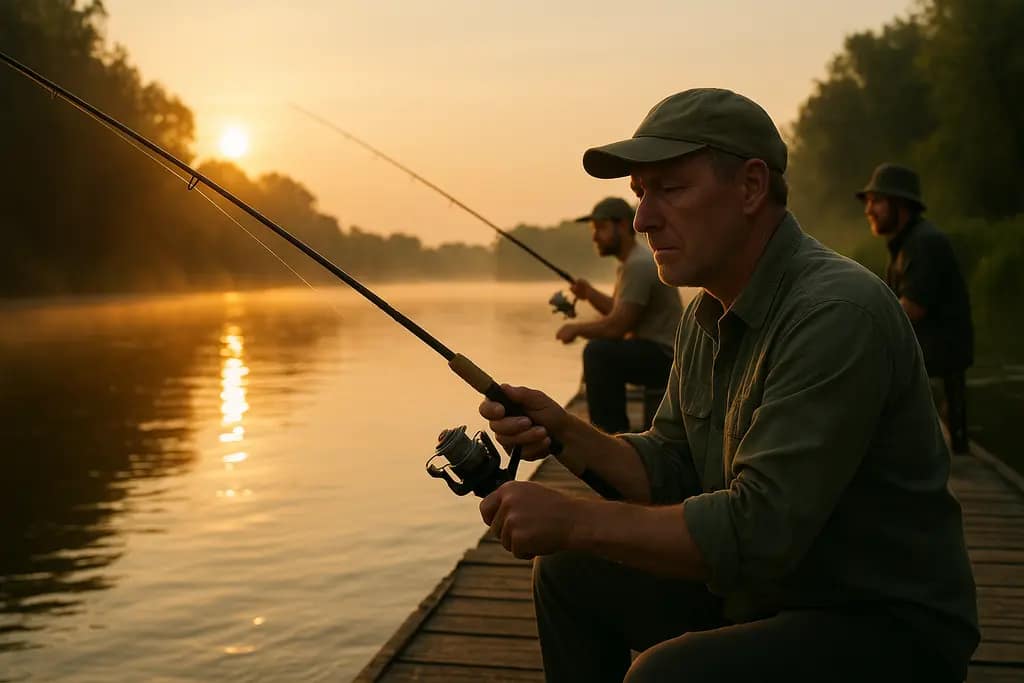

The smartest way to prepare for the Perryville Catfish Showdown is to read summer catfish behavior before you read your favorite spot list. As of August 19, 2026, the Perryville Catfish Showdown is listed for Saturday, August 29, 2026, in Perryville, Missouri, on the official Perryville event listing. That gives teams a short prep window, which means practice time should be focused, not scattered.
Late-August catfishing rewards anglers who can connect heat, oxygen, feeding timing, bait control, and boat placement. The research supplied here does not confirm the tournament water, launch details, limits, or weigh-in rules, so teams should verify those directly with the event organizer before setting a plan. What we can work with confidently is the seasonal pattern: warm water can push fish to feed more, but oxygen and heat stress can change where they feel comfortable. That is where sharp anglers gain ground.
Summer Catfish Behavior Before Perryville
Summer Catfish Behavior Starts With Metabolism
Warm water speeds up fish metabolism, which means fish often need more food to support that extra energy demand, according to Nebraska Game and Parks summer fish behavior guidance. That fact is the engine behind many hot-weather catfish decisions. A catfish may need to eat, but it still has to find a place where oxygen, current, cover, and temperature let it feed without wasting energy.
For anglers, that creates a useful rule: do not treat late summer as a simple deep-water problem. Deep water can help, but the better question is whether that zone has enough oxygen and food movement to keep catfish active. If a deep hole looks good on sonar but your baits sit untouched, shift your thinking. Test the nearest edge, a current seam, a shaded bank, a drop, or a piece of cover that gives fish an easier feeding lane.
Event Timing Matters
The August 29 date matters because teams will be fishing near the end of summer, after weeks of heat may have influenced water conditions. This is not the time to run a memory-only plan from spring. Use your practice session to build a fresh read on fish position. Mark where you get bites, but also mark the time, shade angle, current speed, bait type, and depth. One bite is a clue; three similar bites are a pattern worth protecting.
Good tournament teams also separate practice spots from tournament spots. During practice, avoid grinding your best area into dust. Make short tests, confirm life, and leave. If the bite is slow, resist the urge to soak the same bait in the same lane for hours just because the spot has produced before. Hot-weather catfish can be present and still be hard to trigger if the comfort zone has shifted.
Build A Heat-Ready Catfish Plan
Start With Oxygen Clues
Oxygen deserves a front-row seat in your plan. Warmer water affects fish behavior, and oxygen can help explain why one stretch feels alive while another goes quiet. Watch for clues that point toward better oxygen: moving water, wind pushing across a bank, inflow, wave action, or current breaks that let fish rest near food delivery. None of those signs guarantee a bite, but they help you spend time where fish have a better reason to be active.
If you want to sharpen this part of your planning, review our breakdown of summer catfish oxygen levels before choosing backup water. The key is to stop thinking only in feet of depth. A six-foot edge with current may outfish a deeper dead zone. A shallow flat at the right low-light window may beat a textbook hole that has no fresh water movement. Reading summer catfish behavior means asking why a fish would feed there right now.
Match Bait To The Feeding Mood
Bait choice should follow the fish, not your ego. In warm conditions, catfish may feed hard during windows and then seem to vanish. Bring bait options you trust, but judge them by response. If fresh cut bait gets quick taps but no commitment, adjust size and hook exposure. If larger baits draw fewer bites but better fish, protect that option for the window when bigger catfish move. If small fish are wearing you out, change location before blaming the bait.
Keep bait care simple and strict. Warm air can ruin good bait fast. Use a cooler plan that keeps bait usable through the event window, and keep your cutting station organized so you are not fumbling during a short bite. Tournament fishing is not only about finding fish. It is about repeating clean tasks under time pressure.
| Condition Clue | What It May Suggest | Practical Move |
|---|---|---|
| Moving Water | Better food delivery and possible oxygen relief | Set baits on seams, edges, and current breaks |
| High Heat | Fish may shorten active feeding windows | Use timed rotations and protect low-light periods |
| No Bites In A Known Spot | Fish may be present but inactive or shifted | Change depth, edge, or current angle before leaving fully |
| Short Strikes | Bait size or hook position may be off | Trim bait, check hook gap, and reset the rod angle |
Boat Positioning And Bank Adjustments
Work Current Before Comfort
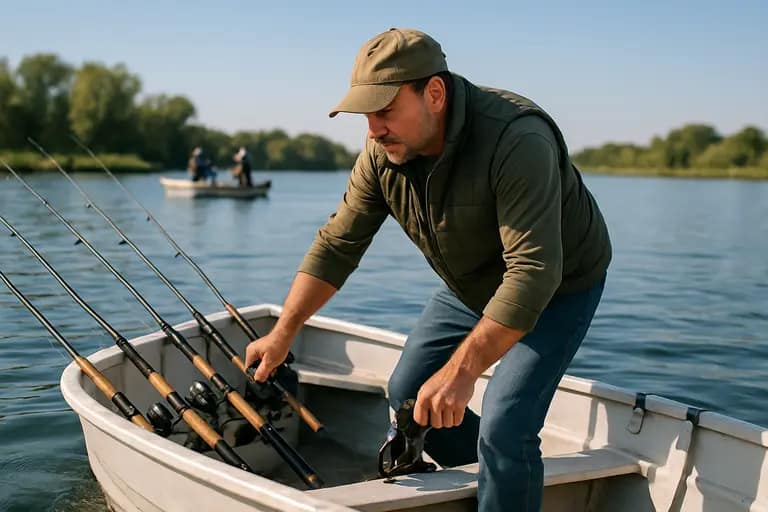
Boat position can make or break a late-summer set. A bait dropped behind the strike lane might as well be in another county. Start by identifying how food and scent would move through the area. Then place baits so they sit naturally in that flow. If you are bank fishing, the same idea applies: cast to the lane, not just to the deepest water you can reach.
Use your rod spread to test small differences. Put one bait on the top edge, one on the drop, and one just off the current. If all bites come from one angle, tighten the spread and commit. If bites are scattered, keep sampling until the fish tell you more. Summer catfish behavior often looks random until you track the small details around each bite.
Rotate Without Burning Time
Late-summer events can punish slow decisions. Before August 29, set rotation rules with your team. For example, decide how long you will give a spot with no signs, how many bait checks are allowed before moving, and what level of activity is enough to stay. This keeps the team from arguing while the clock runs.
A strong rotation plan includes three types of water: a feeding area, a comfort area, and a transition edge between the two. If fish are active, start where food movement is strongest. If heat or light slows the bite, slide toward cover, depth change, or current relief. If conditions change during the day, the transition edge may become the best lane on the board.
- Before practice: confirm event rules, legal bait, check-in times, and livewell expectations with the organizer.
- During practice: record bite time, depth, current, bait, and weather notes after every fish or missed run.
- Before launch: assign jobs for bait cutting, net work, anchoring, and fish care so no one guesses under pressure.
- During the event: rotate with purpose, but do not abandon a proven feeding window five minutes before it usually starts.
Perryville Catfish Showdown Strategy Check
Practice Notes For August 29
Your best Perryville prep is a short, honest practice log. Do not fill it with stories. Fill it with usable details. Write down whether bites came on moving water, shaded water, deeper edges, or cover. Note whether fish hit early, late, or during a weather change. Track bait condition, hook size, leader length, and sinker weight. If you cannot explain why a rod got bit, you cannot repeat it confidently.
Pay special attention to dead water. A spot that looks perfect but produces nothing still teaches you something. Maybe the depth was right but the oxygen was wrong. Maybe the current angle was wrong. Maybe the bait sat outside the lane. Those misses help narrow the plan. That is how tournament anglers turn summer catfish behavior into decisions instead of guesses.
What To Verify Before Lines In
Because the supplied research confirms the date and city but not the full event rule set, teams should verify all official details before the tournament. Check boundaries, allowed waters, bait rules, weigh-in procedure, fish care requirements, and any schedule updates. Build your fishing plan after those details are clear, not before.
Then keep the strategy simple. Fish where heat, oxygen, food movement, and cover line up. Use bait you can keep fresh. Move only when your evidence says to move. Protect the best feeding windows. Treat summer catfish behavior as your scoreboard before the weigh-in scale ever opens, and you will fish the Perryville Catfish Showdown with a calmer head and a sharper plan.


