
The Blue catfish has become one of the most talked-about freshwater fish species in the United States as its populations continue to expand across major river systems. Known for its impressive size, strong fight, and adaptability, the blue catfish has gained significant attention from both anglers and wildlife biologists.
While the growing numbers of blue catfish have created exciting opportunities for trophy fishing, the expansion has also sparked discussions among conservation experts about potential impacts on native fish species and aquatic ecosystems. In several regions, the species has moved beyond its traditional range and established thriving populations in new waterways.
As this expansion continues, the blue catfish is shaping both the recreational fishing landscape and the ongoing debate about ecological balance in American rivers.
Understanding the Blue Catfish Species
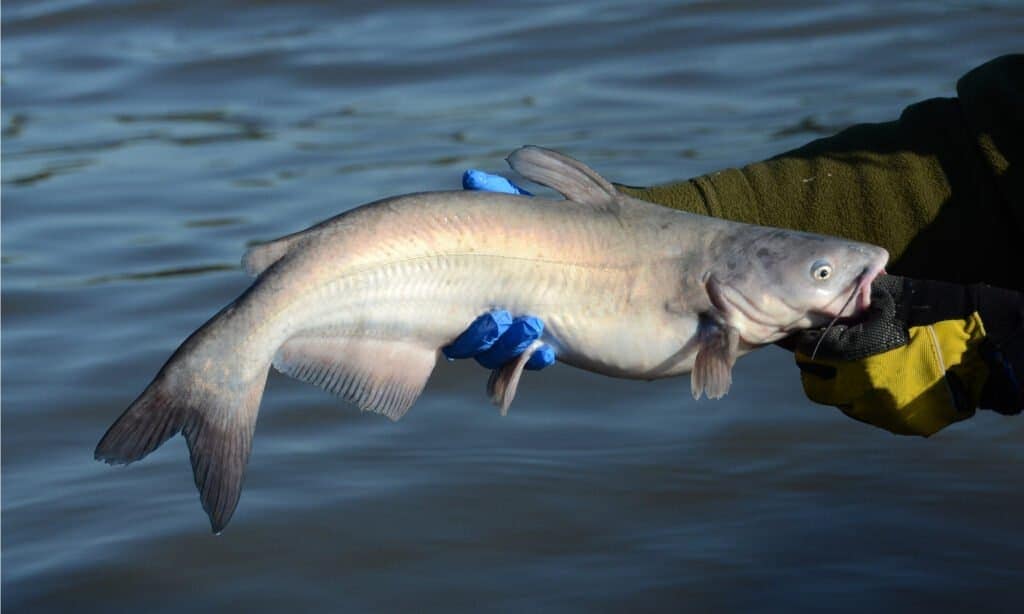
Blue catfish are among the largest freshwater fish species found in North America. Native primarily to the Mississippi, Missouri, and Ohio River basins, these fish are recognized for their bluish-gray coloration and distinctive forked tail.
Adult blue catfish can grow to remarkable sizes, with some individuals exceeding 100 pounds in weight. Their ability to reach such sizes makes them highly attractive to anglers seeking trophy fish.
One reason the species has become so successful is its remarkable adaptability. Blue catfish can survive in a wide range of water conditions, including rivers, reservoirs, and estuaries. Their diet is also highly flexible, allowing them to feed on a variety of prey such as smaller fish, crustaceans, and aquatic organisms.
Because of these characteristics, blue catfish have been able to establish stable populations in areas where they were not historically present.
Expansion Beyond Native River Systems
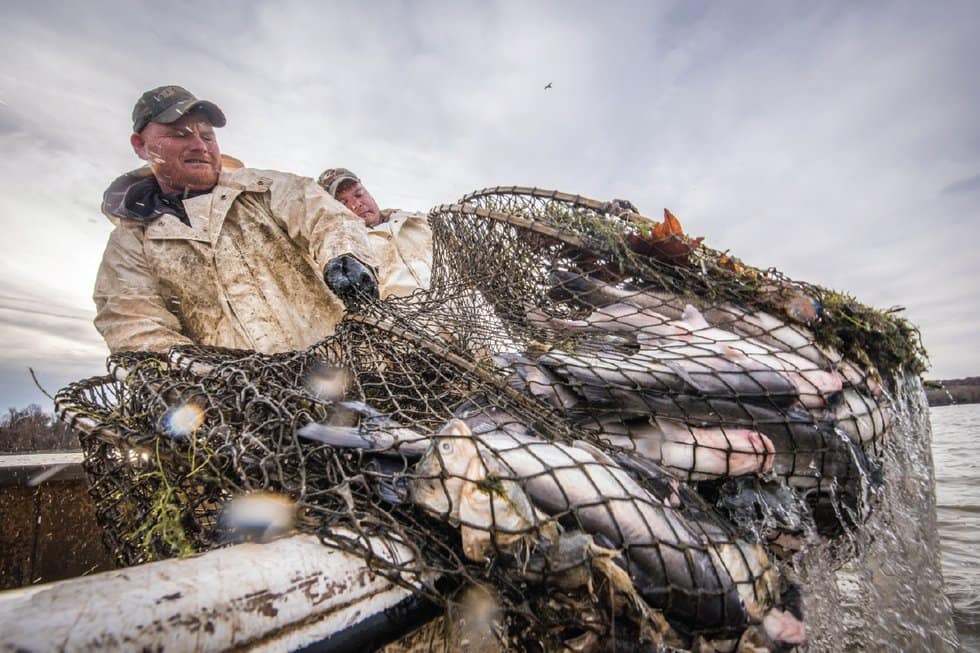
In recent years, wildlife agencies have observed blue catfish expanding into river systems outside their original habitat range. One of the most notable examples of this expansion has occurred in the Chesapeake Bay watershed, where the species has become increasingly common.
The introduction of blue catfish to certain waterways originally occurred through stocking programs designed to create new recreational fishing opportunities. Over time, however, the species adapted quickly and began reproducing successfully in these environments.
Today, blue catfish can be found in numerous rivers along the Atlantic coast and other regions where they were not historically native. Their ability to thrive in both freshwater and slightly brackish conditions has allowed them to move through connected waterways with relative ease.
For anglers, this expansion has created new opportunities to catch large catfish in areas where such fishing was once uncommon.
Growing Popularity Among Catfish Anglers
As blue catfish populations grow, they have become a major target for recreational anglers across the country. Many fishermen specifically seek out this species due to its size and strength.
Catching a large blue catfish is often considered a significant achievement within the fishing community. Anglers frequently travel long distances to fish in rivers known for producing trophy-size specimens.
Several techniques are commonly used to catch blue catfish, including drift fishing, bottom fishing, and the use of cut bait. These methods allow anglers to target the species effectively in deeper water where large fish tend to gather.
Fishing tournaments focused on catfish have also increased in popularity. These competitions often reward teams that can catch the heaviest fish or the largest combined weight, highlighting the growing interest in trophy catfish.
The expansion of blue catfish populations has therefore contributed directly to the growth of recreational catfishing as a sport.
Ecological Concerns From Wildlife Experts
Despite the benefits for anglers, the growing presence of blue catfish in new environments has raised concerns among scientists and wildlife managers.
Because blue catfish are opportunistic predators, they can consume a wide variety of prey species. This includes not only smaller fish but also crabs, shellfish, and other aquatic organisms. In some regions, researchers are studying whether the expanding populations could disrupt existing ecosystems.
For example, biologists in certain river systems have observed blue catfish feeding on species that are important to local fisheries or environmental health. The possibility of competition with native fish species is also a topic of ongoing research.
Understanding the long-term ecological impact of blue catfish expansion remains an important priority for wildlife agencies. Monitoring programs and scientific studies are helping experts determine how the species interacts with its new habitats.
Management and Conservation Strategies
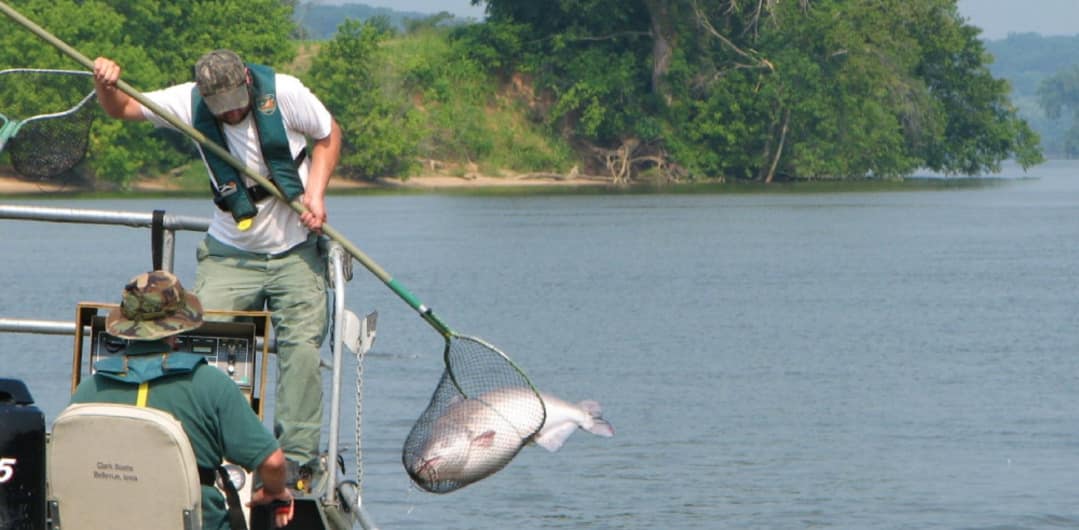
State and federal wildlife agencies are actively working to manage blue catfish populations while maintaining balanced ecosystems. In some areas, officials are encouraging anglers to harvest blue catfish to help control their numbers.
Fishing regulations may also be adjusted to reflect the changing population dynamics of the species. These regulations can include bag limits, size restrictions, or seasonal guidelines designed to support sustainable fishing practices.
In addition to regulation changes, scientific monitoring plays a critical role in management strategies. Researchers collect data on fish populations, feeding habits, and environmental impacts to better understand how the species is affecting different waterways.
Public awareness campaigns are also helping educate anglers about responsible fishing practices and the importance of maintaining healthy aquatic ecosystems.
Economic and Recreational Benefits
The rise of blue catfish populations has also brought economic benefits to communities located near popular fishing destinations. Anglers traveling to pursue trophy catfish often spend money on equipment, lodging, guides, and local services.
Fishing tourism can provide an important source of income for small towns and river communities. Local businesses such as bait shops, boat rentals, and fishing guides frequently benefit from increased angling activity.
In addition, fishing tournaments centered on catfish have become a growing segment of the outdoor recreation industry. These events attract participants from multiple states and generate excitement within the fishing community.
The economic impact of recreational fishing demonstrates how expanding fish populations can influence regional outdoor industries.
The Future of Blue Catfish in U.S. Rivers
As blue catfish continue to spread into new waterways, their presence will likely remain a topic of interest for both anglers and conservation experts. Balancing the recreational value of the species with the need to protect native ecosystems will require careful management.
Scientists will continue studying how the species interacts with its environment and whether additional conservation measures are necessary. At the same time, anglers will likely continue pursuing blue catfish as one of the most exciting freshwater fishing opportunities available.
The ongoing expansion of blue catfish highlights the complex relationship between recreational fishing, wildlife management, and ecosystem conservation.
While the species offers thrilling opportunities for anglers seeking large freshwater fish, its long-term role in U.S. rivers will depend on responsible management and continued scientific research.


