
I’ve spent enough time around rivers, lakes, and tournament weigh-ins to know that few debates in catfishing are as persistent or as passionate as circle hooks vs J-hooks for catfish rigs. It’s a topic that splits beginners and seasoned anglers alike, with each side claiming clear advantages.
But when you strip away tradition and focus on performance, the answer becomes far more interesting. What actually works better depends on how you fish, where you fish, and what you’re targeting. In this breakdown, I’ll walk through both options with a clear, real-world perspective so you can decide what belongs in your tackle box.
Understanding the Difference Between Circle Hooks and J-Hooks
At a glance, the difference seems simple, but the design philosophy behind each hook is completely different.
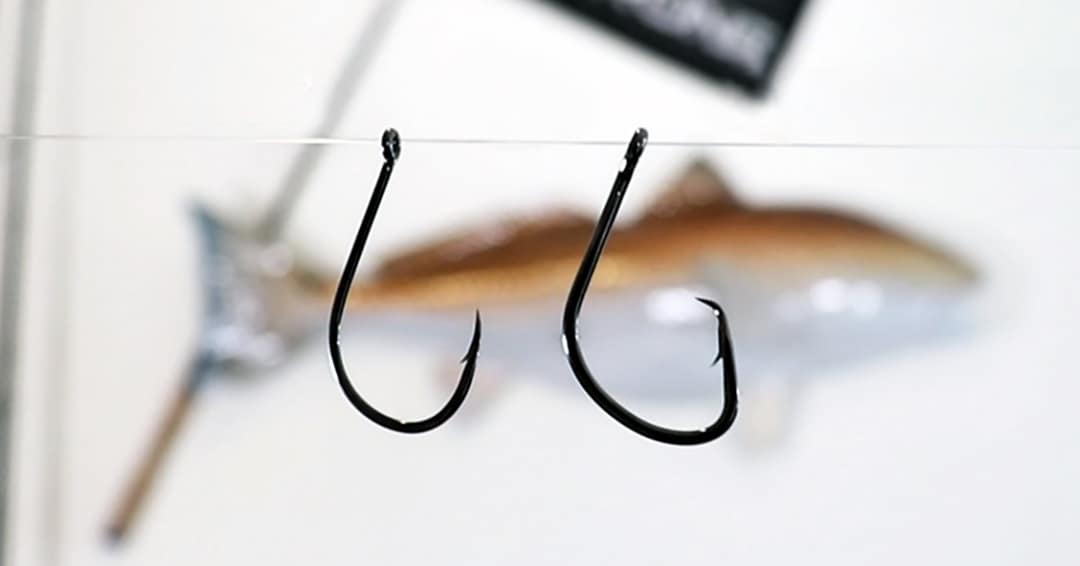
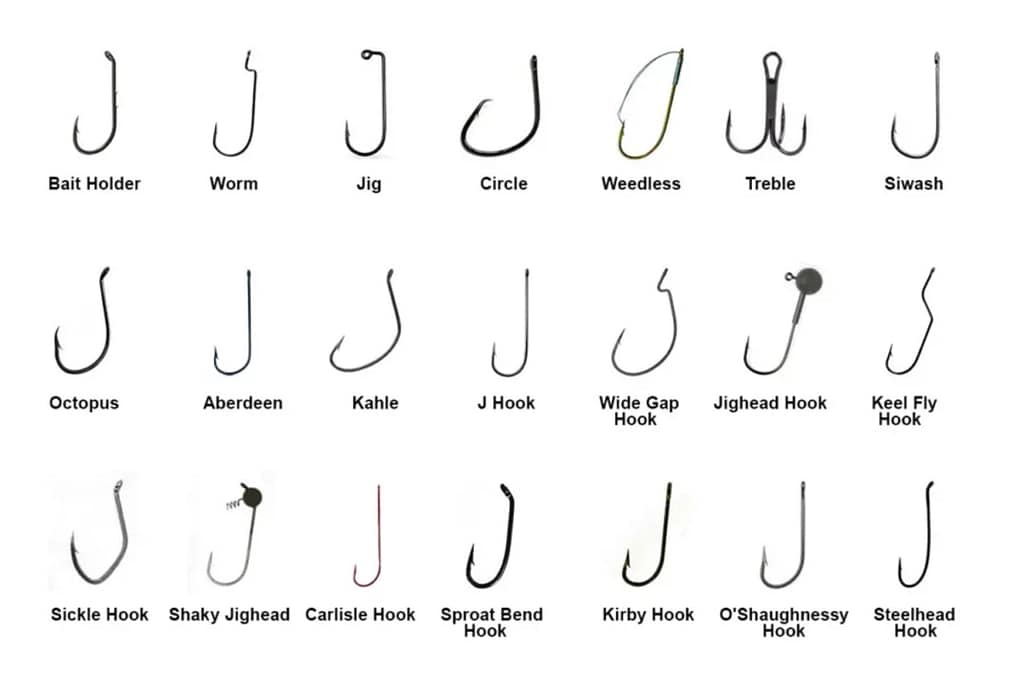
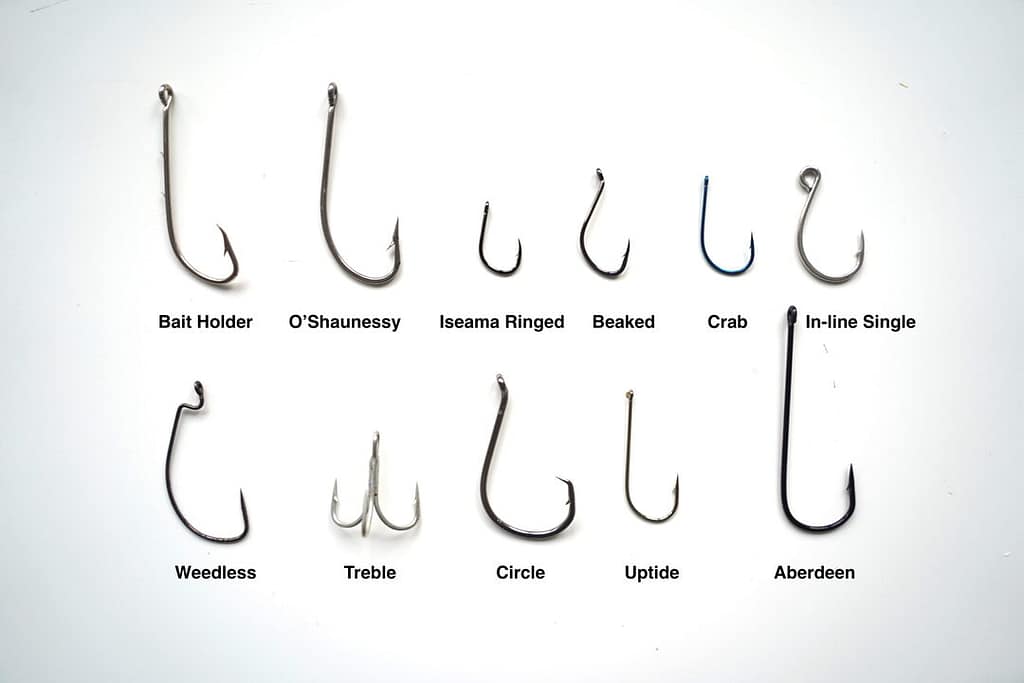
Circle hooks feature a curved shape where the point turns inward toward the shank. This design is engineered to hook fish in the corner of the mouth as they swim away with the bait. It’s less about striking and more about letting the hook do the work.
J-hooks, on the other hand, are exactly what they sound like straightforward, classic hooks shaped like the letter “J.” They rely on a deliberate hookset, where the angler actively drives the hook into the fish.
From my experience, this distinction alone shapes everything from technique to success rate.
Why Circle Hooks Have Gained Popularity
In recent years, I’ve noticed a clear shift toward circle hooks, especially among anglers targeting larger catfish. And it’s not just a trend it’s backed by practical advantages.
The biggest strength of circle hooks is hooking efficiency without aggressive hooksets. When a catfish takes the bait and moves off, the hook naturally rotates and catches in the corner of the mouth. This results in:
- Higher hookup consistency
- Fewer gut-hooked fish
- Better outcomes for catch-and-release fishing
What stands out most is how forgiving they are. Even if you’re distracted or fishing multiple rods circle hooks can still perform effectively without perfect timing.
According to research and conservation insights from the National Oceanic and Atmospheric Administration, circle hooks significantly reduce deep hooking and improve fish survival. Their findings on Circle hooks vs J-hooks for catfish rigs reinforce why many anglers are making the switch.
Where J-Hooks Still Dominate
Despite the rise of circle hooks, I wouldn’t dismiss J-hooks not even close.
There are specific situations where J-hooks still feel like the better tool for the job. The biggest advantage? Control.
When I’m actively fishing especially in scenarios where I can monitor every bite J-hooks allow for a precise, powerful hookset. This is particularly useful when:
- Fishing in heavy cover or structure
- Targeting aggressive strikes
- Using techniques that require quick reaction time
J-hooks also tend to perform better with certain bait presentations, especially when you need to set the hook instantly before a fish spits the bait.
In short, they reward attentiveness. If you’re locked in and reacting quickly, J-hooks can be incredibly effective.
Hookup Rates: Which One Actually Performs Better?
This is the question everyone wants answered, and honestly, it’s not as one-sided as many think.
From what I’ve seen and tested the answer depends on your fishing style.
If you’re fishing passively, letting rods sit while covering multiple spots, circle hooks often outperform J-hooks. Their design compensates for slower reaction times, leading to more consistent hookups.
But when I’m actively engaged watching the line, feeling the bite, and setting the hook at the right moment J-hooks can match or even exceed circle hooks in terms of success rate.
The real takeaway?
The best hook isn’t universal it’s situational.
Fish Safety and Ethical Angling
One area where circle hooks clearly stand out is fish safety.
Because they tend to hook fish in the mouth rather than deep in the throat, they significantly reduce injury. This makes them ideal for anglers who practice catch-and-release, especially when targeting larger or trophy-sized catfish.
J-hooks, while effective, carry a higher risk of deep hooking particularly if the angler delays the hookset or allows the fish to swallow the bait.
From a conservation standpoint, this is a major factor. More anglers today are considering not just how many fish they catch, but how those fish are treated in the process.
Choosing the Right Hook for Your Setup
When I decide between circle hooks and J-hooks, I don’t think in terms of “better” or “worse.” I think in terms of fit.
If I’m drift fishing or running multiple rods, I lean toward circle hooks. They allow me to cover more water without sacrificing hookup efficiency.
If I’m targeting specific structure or fishing actively with fewer rods, I’ll often switch to J-hooks for the added control.
Water conditions, fish behavior, and even time of day all play a role. That’s why experienced anglers rarely commit to just one they adapt.
The Verdict: What Actually Works Better?
After years of watching, testing, and fishing alongside other anglers, my conclusion is straightforward:
- Circle hooks are better for consistency, ease, and fish safety
- J-hooks are better for control, precision, and active fishing
The debate around circle hooks vs J-hooks for catfish rigs isn’t about declaring a single winner it’s about understanding when each tool shines.
Mastering Both Is the Real Advantage
If there’s one insight I keep coming back to, it’s this: the best anglers aren’t loyal to one hook they’re loyal to results.
The discussion around circle hooks vs J-hooks for catfish rigs ultimately comes down to adaptability. Knowing when to let the hook do the work and when to take control is what separates average anglers from consistently successful ones.
In today’s evolving fishing landscape, where both performance and conservation matter more than ever, mastering both hook types isn’t just helpful it’s essential.
Because at the end of the day, success on the water isn’t about choosing sides. It’s about choosing what works best in the moment.


