
I’ve spent countless hours fishing rivers, and if there’s one lesson that always holds true, it’s this: current changes everything. What works in a calm lake often fails in moving water. That’s exactly where three-way rig catfish fishing becomes essential.
The first time I used a three-way rig in a fast-moving river, I realized how much control I had been missing. Instead of my bait drifting aimlessly or getting snagged, it stayed exactly where I wanted in the strike zone, steady but alive.
This isn’t just another rig. It’s a precision tool built for difficult conditions.
Understanding the Mechanics of the Three-Way Rig
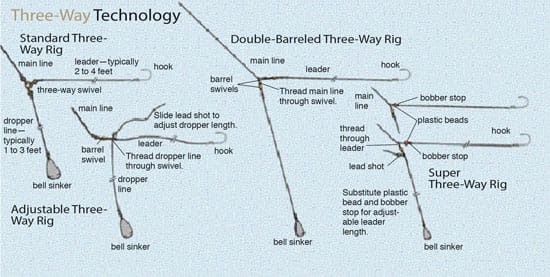
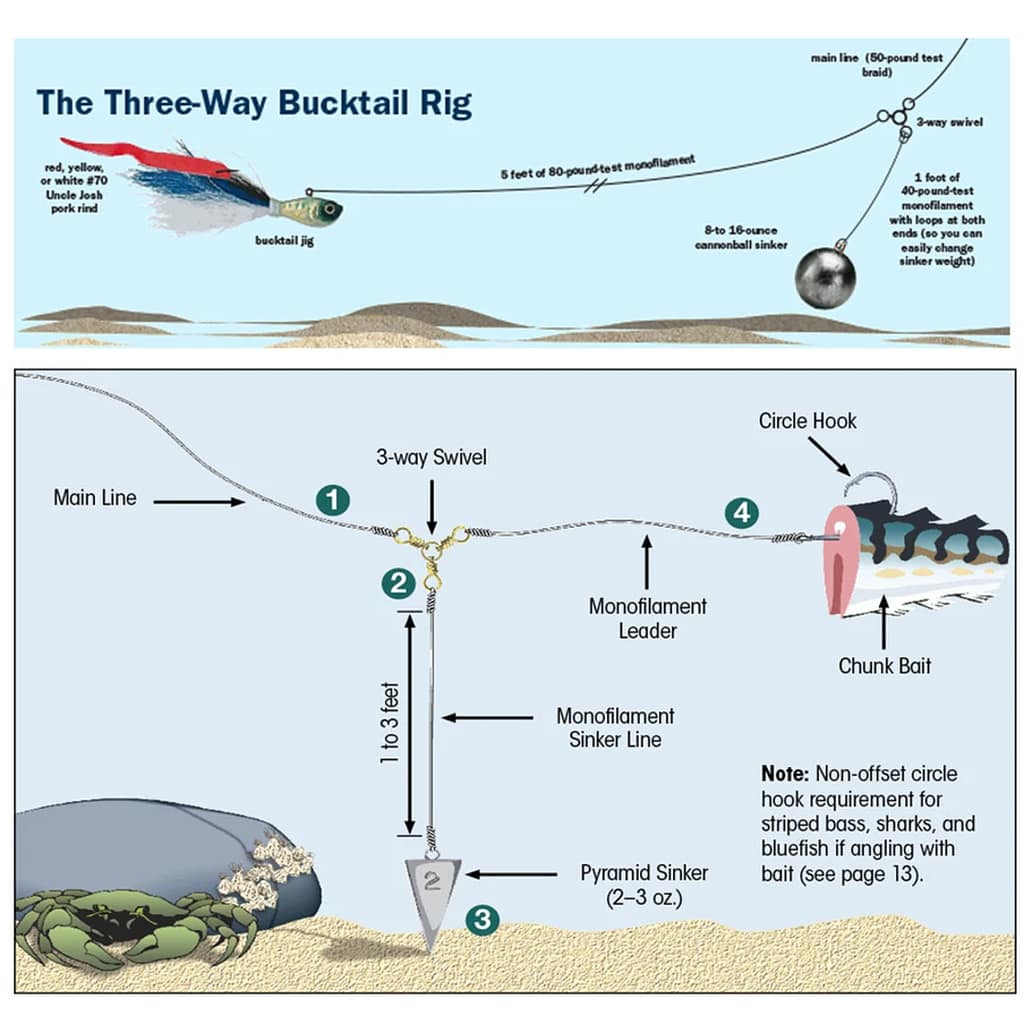
At its core, three-way rig catfish fishing is all about balance. The setup uses a three-way swivel to separate your line into two key components: one for weight and one for bait.
Here’s how I break it down:
- A short dropper line holds the sinker
- A longer leader line presents the bait
- The main line connects to the swivel
This separation is what makes the rig so effective. The weight anchors your setup to the bottom, while the bait moves freely in the current.
From my perspective, this creates the perfect combination: stability without sacrificing natural presentation.
Why It Works in Strong Current
Fishing in rivers can be frustrating. Current pulls your line, shifts your bait, and increases the chances of snags. But three-way rig catfish fishing solves these problems in a way few other setups can.
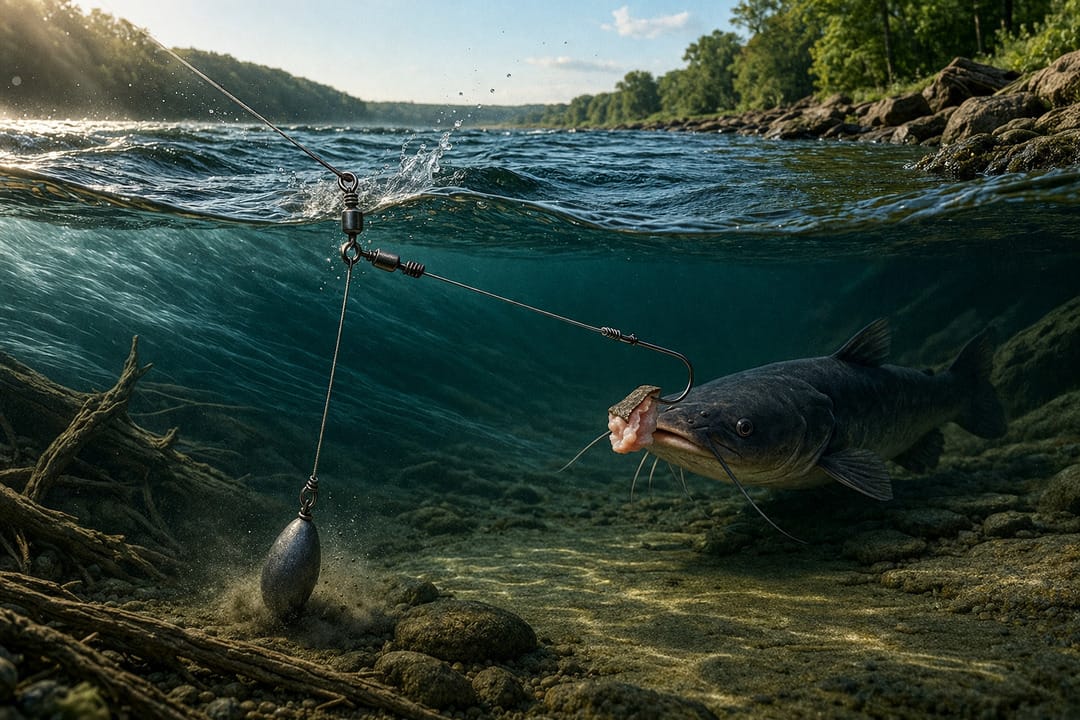
The short dropper line keeps the weight close to the bottom, acting like an anchor. Meanwhile, the longer leader allows the bait to drift naturally just above the riverbed, where catfish are actively feeding.
What I’ve noticed is that this setup doesn’t fight the current it works with it.
Instead of forcing your bait into place, it lets the water create subtle, lifelike movement. And for catfish, that movement signals opportunity.
Ideal Conditions and Locations
Not every fishing environment demands this level of control, but when conditions get tough, the three-way rig shines.
I rely on three-way rig catfish fishing most when:
- The river current is strong
- The bottom is uneven or rocky
- I need to keep bait in a specific zone
It’s especially effective when fishing:
- Deep river channels
- Current seams and eddies
- Drop-offs and structure points
Whether I’m fishing from the bank or a boat, this rig gives me the confidence that my bait is exactly where it needs to be.
The Subtle Art of Presentation
One thing I’ve learned over time is that success with three-way rig catfish fishing isn’t just about setup—it’s about presentation.
When I cast the rig into a strong current, I don’t immediately start adjusting or reeling. Instead, I let it settle. Once the weight hits bottom, I keep slight tension on the line.
This allows the bait to:
- Hover just above the bottom
- Move gently with the current
- Stay visible and accessible to feeding catfish
The key is restraint. Overworking the rig defeats its purpose. The real magic happens when you let the current do the work.
Reducing Snags and Increasing Efficiency
If you’ve fished rivers long enough, you know how frustrating snags can be. One of the biggest advantages of three-way rig catfish fishing is its ability to reduce that risk.
Because the weight is attached to a separate dropper line, it often takes the impact if the rig gets stuck. In many cases, the dropper line can break without losing the entire setup.
From my experience, this not only saves gear but also allows me to fish more aggressively in high-risk areas, where big catfish tend to hide.
Choosing the Right Gear for the Job
While the rig itself is simple, using the right equipment can make a noticeable difference.
I prefer:
- A medium-heavy to heavy rod for better control
- Strong line (20–50 lb test depending on conditions)
- Durable swivels and leaders
These choices ensure that the rig can handle both the current and the strength of large catfish.
And when you hook into a big one in moving water, you’ll be glad you didn’t go light.
The Science Behind the Success
There’s a reason three-way rig catfish fishing works so consistently, and it comes down to fish behavior.
Catfish are bottom-oriented feeders that rely heavily on scent and movement. In strong current, they position themselves in areas where food naturally drifts toward them.
The three-way rig places your bait exactly in that zone steady, visible, and moving just enough to attract attention.
Organizations like the U.S. Fish and Wildlife Service provide insights into fish habitat and feeding behavior, reinforcing the importance of current and structure in successful fishing strategies.
Understanding these patterns has helped me approach river fishing with more confidence and consistency.
Control, Precision, and Consistency
When I think about what makes three-way rig catfish fishing so effective, it comes down to one word: control.
In an environment where conditions are constantly changing, this rig gives you the ability to stay precise. It anchors your setup, stabilizes your bait, and still allows for natural movement all at the same time.
Over the years, it’s become one of my most trusted techniques for river fishing. Not because it’s complicated, but because it’s reliable when everything else feels unpredictable.
If you’re serious about catching catfish in strong current, this is the rig that will keep you in the game and more importantly, keep your bait where the fish are.


