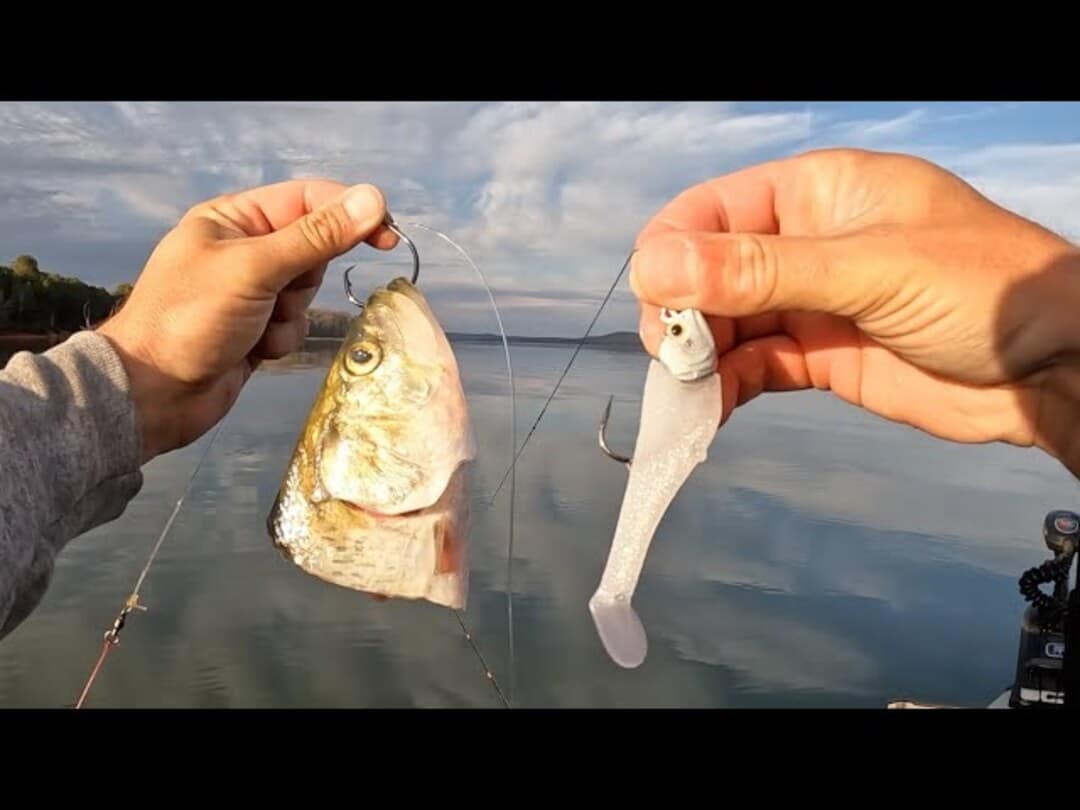

Spend enough time on any riverbank in 2026, and you’ll hear it sooner or later: “Nothing beats real bait.” Yet just a few feet away, another angler is pulling in fish using sleek, modern lures designed with precision engineering.
The debate around natural vs artificial catfish bait isn’t new but right now, it feels more intense than ever. As I’ve observed across lakes, rivers, and angling communities, the divide is no longer just about preference. It’s about tradition versus innovation, instinct versus technology.
So the real question is no longer whether one works it’s which works best today.
Why Natural Bait Still Dominates the Catfish World
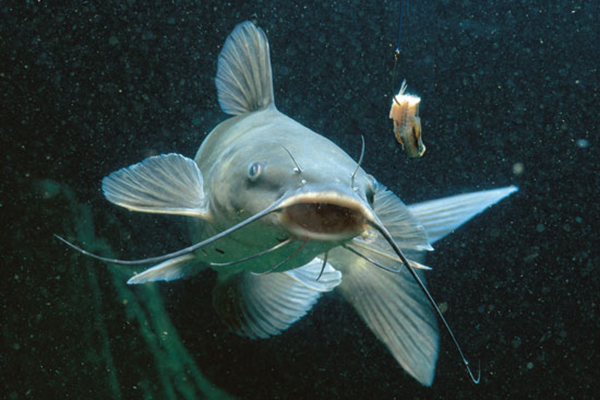
For decades, natural bait has been the backbone of catfishing. Whether it’s cut bait, chicken liver, or stink bait, these options continue to deliver consistent results and for good reason.
Catfish are guided heavily by their sense of smell and taste, especially in murky water where visibility is low. Natural bait releases oils, blood, and scent trails that travel through currents, acting like a dinner bell.
In my experience, stink bait still shines in tough conditions particularly when the water is cold, muddy, or slow-moving. It lingers in the water longer, giving catfish more time to locate it.
There’s also a psychological factor. Many seasoned anglers trust what has worked for decades. And when you’re chasing trophy fish, confidence in your setup matters more than most people admit.
The Rise of Artificial Lures in Modern Catfishing
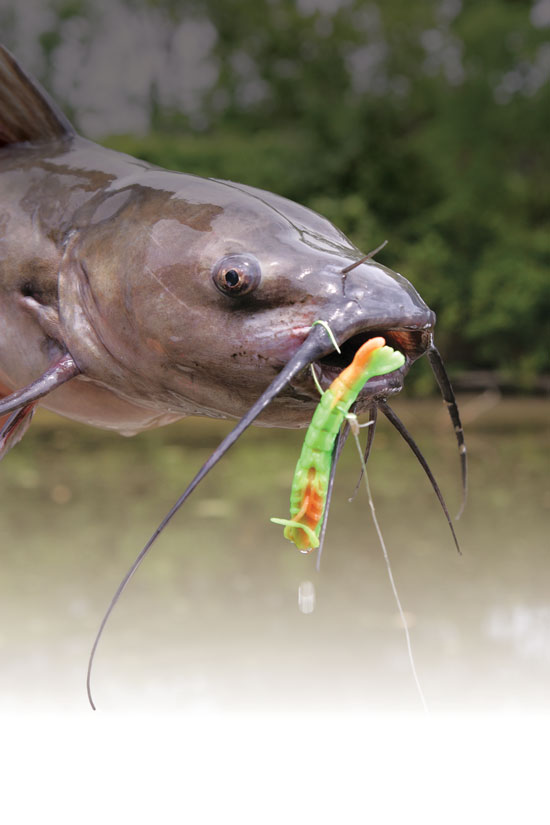
But something has clearly shifted. Artificial lures once considered ineffective for catfish are now gaining serious traction.
Today’s lures are engineered with vibration technology, scent infusion, and lifelike movement. Some mimic injured prey, while others create noise patterns that trigger aggressive strikes.
Younger anglers, in particular, are embracing these tools. Why? Because they offer:
- Mobility: No need to constantly rebait
- Durability: One lure can last multiple trips
- Efficiency: Cover more water faster
I’ve seen anglers using soft plastics and blade baits land impressive catches, especially in areas with active fish. The ability to actively “hunt” catfish rather than wait for them is changing how the sport is approached.
Performance Breakdown: What Actually Works Best?

The truth is, the answer depends heavily on conditions.
In slower waters or during colder months, natural bait often outperforms. The scent disperses gradually, attracting fish that aren’t actively feeding.
On the other hand, in warmer seasons or areas with higher fish activity, artificial lures can outperform expectations. Their movement triggers reaction bites, even from fish that aren’t actively searching for food.
From what I’ve observed, the most successful anglers in 2026 are not choosing sides. They’re adapting.
They start with natural bait when fish are inactive, then switch to lures when conditions favor movement and aggression. It’s less about loyalty and more about strategy.
The Science Behind Catfish Feeding Behavior
Understanding this debate requires looking at how catfish actually behave.
According to National Oceanic and Atmospheric Administration, catfish rely heavily on chemoreception their ability to detect chemical signals in water. This explains why natural bait has remained so effective.
By contrast, artificial lures tap into a different trigger: reaction and vibration sensitivity. Catfish can detect subtle changes in water pressure, allowing them to strike moving objects even without strong scent cues.
This dual sensory system is exactly why the natural vs artificial catfish bait debate isn’t one-sided. Each method targets a different instinct.
Cost, Convenience, and Practical Considerations
Beyond performance, there are practical factors anglers can’t ignore.
Natural bait is often cheaper upfront, but it comes with downsides:
It spoils quickly, smells (sometimes unbearably), and requires constant handling.
Artificial lures, while more expensive initially, offer long-term value. They’re reusable, cleaner, and easier to store.
I’ve spoken with anglers who switched to lures simply because they were tired of dealing with messy bait. Others stick with natural options because they’re accessible and proven.
Ultimately, this part of the debate comes down to lifestyle as much as effectiveness.
The Cultural Divide: Old School vs New Generation
There’s also a cultural shift happening.
Veteran anglers often view artificial lures as unnecessary or even gimmicky. For them, catfishing is about patience, simplicity, and tradition.
Meanwhile, newer anglers are more experimental. They’re influenced by YouTube, social media, and evolving gear trends, making them more open to innovation.
I’ve noticed that this isn’t just about fishing it’s about identity. The gear you choose reflects how you approach the sport itself.
So, Do You Still Need Stink Bait in 2026?
The short answer: Yes—but not always.
Stink bait and other natural options remain incredibly effective, especially in challenging conditions. They’re not going anywhere.
But ignoring artificial lures would be a mistake. They’ve proven their value and continue to improve rapidly.
The real advantage in 2026 belongs to anglers who understand both and know when to use each.
The Smart Angler’s Approach
The natural vs artificial catfish bait debate isn’t about choosing a winner it’s about recognizing that the game has evolved.
Natural bait still delivers unmatched scent attraction and reliability. Artificial lures bring versatility, speed, and innovation to the table.
From what I’ve seen firsthand, the most effective anglers are those who stay flexible. They adapt to water conditions, fish behavior, and changing technology.
In the end, success in catfishing isn’t about tradition or trends. It’s about understanding the fish and using every tool available to outsmart them.
And in 2026, that means embracing both sides of the debate.


