
Let’s be honest about that quiet period between tournaments. Most people see it as downtime. But smart anglers know it’s strategic recalibration time.
Carl Jocumsen didn’t just sit around waiting for spring. He upgraded to a fifth-wheel camper. Why suffer through questionable motels when you can have your own rolling headquarters?
This isn’t about luxury. It’s about efficiency. The off-season is when pros test new gear without tournament pressure. Failed experiments don’t cost prize money here.
Think of it as the bass fishing equivalent of congressional recess. Nobody’s watching, so you can actually get things done. It’s where championships get built, not just contested.
Building Your Training Calendar
Do you think your off-season fishing calendar should be as busy as Congress? Think again. Alton Jones makes November to February his fishing season, focusing on bass.
He uses a smart strategy. He avoids big fishing spots and goes for hidden creeks. These spots have fewer fish but are more likely to have big ones.
Jones uses two key lures: the Heddon Super Spook Junior and the Zell Pop. He picks these for a reason. The Spook Jr. is fast, like a quick survey. The Zell Pop is slower, like a deep dive.
Here’s how he practices his skills practice:
| Condition | Primary Bait | Retrieve Style | Target Location |
|---|---|---|---|
| Active feeding | Heddon Super Spook Jr. | Fast, erratic | Shallow cover edges |
| Selective feeding | Zell Pop | Slow, punctuated | Calm water pockets |
| Colder water ( | Bandit 100 squarebill | Steady, parallel to bank | Bait corralling areas |
Jones lets the fish tell him what they want. It’s like getting exact poll results. Fast responses mean they want action. Slow ones mean they’re thinking.
This way, fishing becomes deliberate practice. Every cast is a chance to learn. Every strike tells him what the bass want.
So, when tournament time comes, he’s ready. He’s not just another fisherman. He’s the one with all the data.
Strength & Cardio
Fishing isn’t just sitting in a boat waiting for a bite. It’s intense at professional tournaments, lasting eight hours. You’re not just angling—you’re launching lures with precision, battling currents, wind, and your own exhaustion.
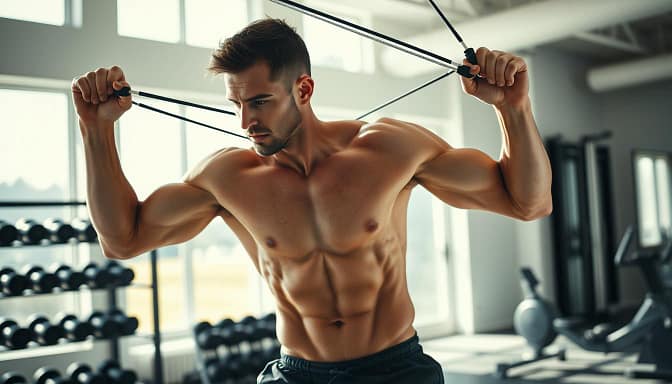
Carl Jocumsen’s daily routine is like special forces training. He does two hours of low-impact core work, uses resistance bands, and does balance training. His 3-5 mile runs are mental clarity sessions, where strategy is sorted before fishing.
The smart money isn’t on the angler with the most expensive gear. It’s on the one with durable shoulders and reliable elbows. Tournament fishing wears down your body like baseball pitching or tennis serves, but with more sunburn.
Cold plunges aren’t just trendy. They help with inflammation from repetitive motion. Stretching isn’t just for flexibility—it’s to avoid surgery at 45. This isn’t vanity; it’s about keeping your career going.
The best off-season strength training prepares you for tournaments. It includes balance exercises, rotational movements, and endurance. Your body should feel ready for tournament day, not shocked by it.
Seventy-seven-year-old Rick Clunn isn’t beating kids through luck. He’s outlasting them with disciplined fitness that makes aging an advantage. The water doesn’t care about your age; it only responds to how prepared you are.
Simulated Casting Exercises
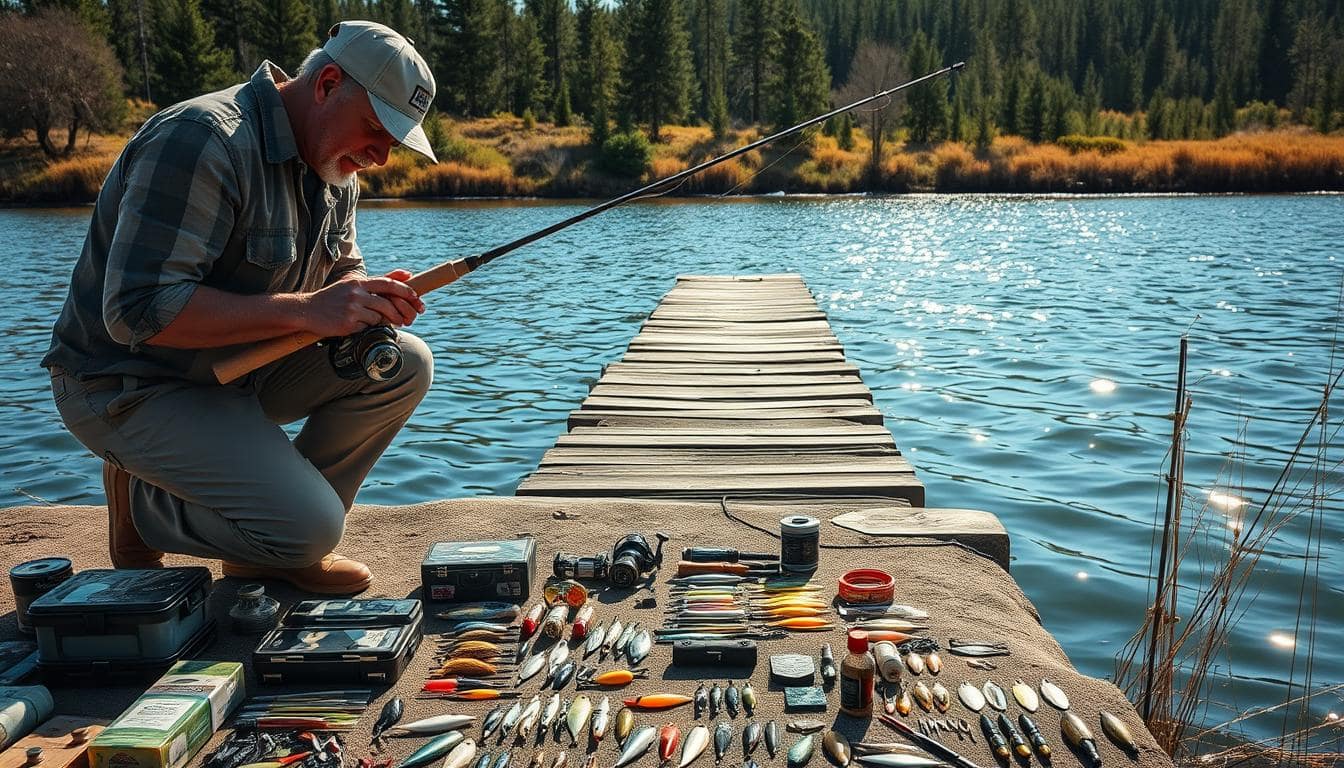
Off-season fishing drills are like a lab where you test your gear. It’s not just about throwing a line in the water. It’s about making sure your expensive lures work.
Top anglers test everything before a big competition. They check out new lures, lines, and even their rods. They want to know what works best.
Alton Jones shows how to cast with precision. He casts a Booyah spinnerbait so close to the trees. This is because fish often hide in these spots.
These fishing drills mimic real tournament conditions:
- Testing how fast to retrieve your line in different currents
- Trying out different bait sizes for different fish
- Learning how to present your bait in the right way
- Practicing casting to targets just 10 feet away
Being good at fishing is all about practice. Joan Wulff shows that precise casting is key. It helps you cast well even when it matters most.
When testing your gear, think like a pro:
| Equipment Type | Testing Focus | Success Metric | Common Mistakes |
|---|---|---|---|
| New Lures | Action verification in current | Consistent swimming pattern | Testing in calm water only |
| Line Systems | Knot strength & sensitivity | Zero failures at max drag | Ignoring abrasion resistance |
| Rod Actions | Loading characteristics | Accurate distance casting | Testing with wrong line weight |
| Electronics | Target separation | Clear bottom definition | Default settings only |
Successful anglers test their gear in real tournament conditions. They don’t just see if it works. They learn how it works and where it fails.
Your fishing drills should answer important questions before the season starts. Does that new crankbait work well at fast speeds? How does your line handle sudden fish bites? Can you hit targets from tricky angles?
This way of practicing turns random throwing into smart preparation. When the big day comes, you’re not guessing. You’re using proven techniques with gear you’ve tested. That confidence is worth all the hard work during the off-season.
Setting Performance Goals
Do you think fishing goals are just about catching more fish? That’s like thinking a surgeon’s only goal is to make cuts. The real magic is in the preparation.
Professional anglers treat equipment maintenance like a political campaign. They’re always improving their setup. Every off-season, they upgrade their gear. It’s not just about new gadgets; it’s about making their fishing machine perfect.

Your performance goals should include logistical skills practice. This isn’t about casting drills or new techniques. It’s the behind-the-scenes work that makes a difference.
Let’s look at the key equipment skills practice:
- Boat rigging mastery: Setting up electronics, Power Poles, and organizing storage
- Tackle triage: Checking every lure for damage
- Wire bait maintenance: Inspecting hooks and skirts
- Hardbait overhaul: Replacing treble hooks
This systematic practice turns equipment maintenance into a strategic advantage. A dull hook is like going to a debate without your points. You might recover, but you won’t win.
The pros focus on this with great precision. They know that organizing tackle in February affects their results in August. Your goals should be the same.
Make a pre-season checklist with:
- Complete gear inventory and assessment
- Boat systems verification and optimization
- Tackle repair and replacement schedule
- Equipment testing and calibration
This disciplined practice means you can focus on fishing, not fixing or regretting. In tournament fishing, as in politics, being prepared is key. And being prepared means you’re ready for opportunity.
Cross-Training Benefits
Think cross-training is just for gym rats and marathon runners? Think again. For anglers, it’s a secret weapon that turns off-season downtime into a competitive edge.
Take Alton Jones—he’s not just casting lines, he’s training lab puppies for hunting season. It’s fitness with more fetching and fewer protein shakes. He’d prefer fishing, but hunting gets him outdoors, hiking through terrain that builds endurance.
Some pros take it further—hiking dozens of miles during deer season isn’t just about the hunt. It’s about staying active in ways that directly complement fishing. Sitting in a deer blind? That’s patience training. Hiking uneven terrain? That’s leg strength for those 10-hour days on the deck.
This is cross-training at its finest: activities that enhance your fishing skills indirectly while keeping you engaged with the outdoors. They improve stamina, break gym monotony, and—let’s be honest—make you feel less guilty about that second breakfast burrito.
The beauty of this approach? It doesn’t feel like training. It feels like living. Hunting, hiking, even chasing puppies through fields—they all build the mental focus and physical resilience that translate directly to better fishing performance.
Because sometimes the best training for fishing isn’t fishing. It’s anything that keeps you moving, thinking, and remembering why you fell in love with the outdoors in the first place.
Conclusion
The off-season is not a break—it’s a key investment. While others watch Netflix, champions like Carl Jocumsen work on their skills. They test new techniques in quiet creeks.
This time is what sets winners apart from the rest. Jocumsen gets ready for the next season with strength and new tricks. He sees the off-season as a place to experiment and improve.
His hard work pays off because he’s always ready. He stays fit and sharp, avoiding injuries. Smart athletes know that good off-season training builds a strong base.
This time is for setting goals and staying fit. You’re either getting better or making excuses. When the season begins, you won’t be playing catch-up.
The off-season is where champions are made, not found. Your rivals aren’t resting. You shouldn’t either.


