
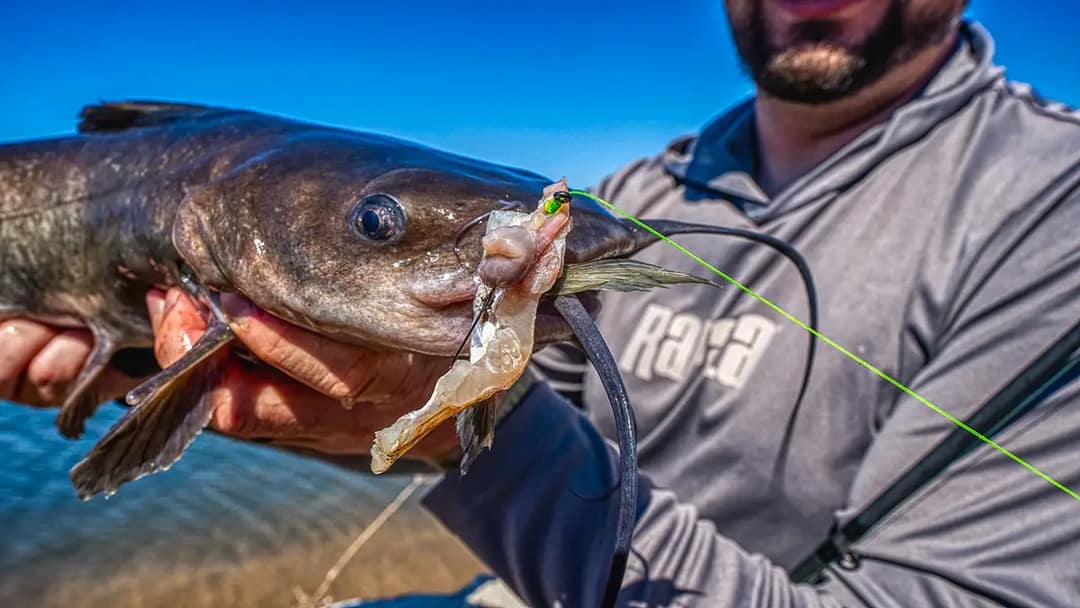

Catfish fishing matters right now because it remains one of the most accessible and rewarding forms of freshwater angling, especially for people who want reliable action without elite gear or tournament-level experience. I have long believed that the difference between a frustrating outing and a productive one usually comes down to a few practical decisions: bait, timing, depth, and location.
For many anglers, catfish can seem deceptively simple. They are common, hardy, and widely distributed, which creates the illusion that catching them is mostly a matter of luck. In reality, the anglers who consistently catch catfish tend to approach the fish with a clear system. They understand how catfish feed, where they hold, and what environmental cues shape movement. Once I began treating catfish as a pattern-based target rather than a random bite, my results improved dramatically.
Why Catfish Demand a Smarter Approach
The first lesson in learning how to catch a catfish is understanding that these fish are built to find food under conditions that make visual hunting difficult. In stained water, low light, or heavy current, catfish depend heavily on scent and vibration. That changes the entire logic of bait presentation.
This is why so many beginners make the same mistake: they focus on what looks appealing to them rather than what is easy for a catfish to detect. A neat, clean bait presentation may satisfy the angler’s eye, but catfish are often responding to smell, oil, and movement near the bottom. Strong odor, natural oils, and a bait that stays in the strike zone are often more important than visual realism.
The second lesson is that catfish are not evenly spread across a body of water. They concentrate where food, cover, and current come together. A featureless bank may produce little, while a nearby drop-off, submerged timber line, or outside bend in a river can hold fish consistently. I have found that success often comes less from covering huge amounts of water and more from reading structure well and committing to high-probability zones.
The Bait Question Matters More Than Most People Think
Bait is not a detail in catfish fishing. It is the foundation of the entire strategy. Some catfish will take worms, prepared baits, or cut bait readily, but the best choice depends on size class, water type, and the mood of the fish.
Chicken liver has earned its reputation because of its strong scent and immediate appeal, especially for channel catfish. The drawback is durability. It can wash off easily in current or tear free on the cast unless it is secured carefully. Prepared stink baits also work because they create a concentrated scent trail, which is particularly useful in muddy or slow-moving water.
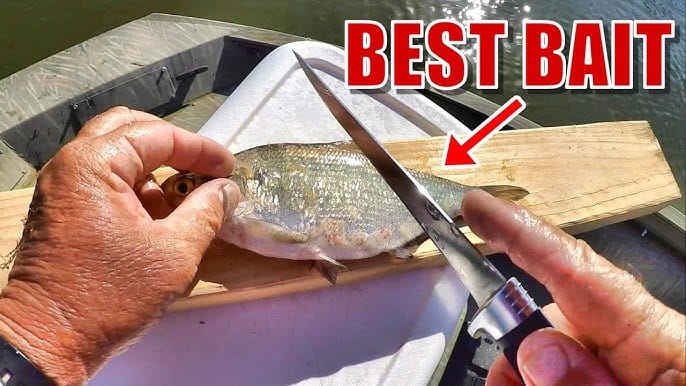
Cut bait offers another advantage: it combines smell, oil, and natural protein in a package larger fish often recognize instantly. Fresh chunks of baitfish can be especially effective when targeting bigger catfish in rivers or reservoirs. Nightcrawlers remain a dependable option, particularly for smaller fish or heavily pressured public waters where versatility matters.
Here is a practical comparison that helps clarify bait selection:
| Bait Type | Best Use | Main Advantage | Main Limitation |
|---|---|---|---|
| Chicken Liver | Channel catfish in ponds, lakes, slow rivers | Strong scent, quick response | Soft texture, poor durability |
| Cut Bait | Larger catfish in rivers and reservoirs | Natural oils and strong profile | Requires fresher bait for best results |
| Nightcrawlers | Mixed-size catfish, beginner setups | Easy to use and widely effective | Less selective for bigger fish |
| Prepared Stink Bait | Murky water and scent-driven bites | Powerful odor trail | Messy and sometimes less durable |
The key insight is simple: choose bait for detection, not appearance. Catfish are built to locate food that announces itself in the water.
Where To Fish: The Bottom Is Only the Beginning
Most anglers know catfish feed near the bottom. That is true, but it is only the starting point. The better question is what kind of bottom and what features nearby improve the odds.
In lakes, I look for deep edges adjacent to shallow feeding flats, especially near creek channels, points, or submerged timber. Catfish often move onto flats during lower-light periods, then slide back toward deeper water as conditions brighten. In rivers, current seams, deep bends, logjams, and holes below riffles are all classic holding areas. These locations offer energy efficiency and food delivery at the same time.
When I am trying to narrow down a new body of water, I focus on three priorities:
- Areas with depth change nearby
- Cover such as wood, rocks, or channel edges
- Places where current or wind can push food naturally
That framework keeps me from wasting time on water that looks accessible but lacks feeding structure.
Timing Can Turn an Average Spot Into a Great One
One of the biggest edges in catfish fishing is timing. Plenty of anglers fish the right place with the wrong schedule. Catfish often become more active during low-light windows, particularly early morning, late evening, and nighttime. That shift is not random. Lower light increases their comfort, especially in shallower areas, and often lines up with natural feeding behavior.
Warm weather can improve activity, but extremes matter. In very hot conditions, fish may position deeper during the day and feed more aggressively after sunset. After rain, inflowing water can concentrate bait and create productive seams, though extremely muddy or flooded conditions may scatter fish or make presentation more difficult.
I have learned to think of catfish timing less as a fixed clock and more as a set of environmental triggers. Falling light, stable warmth, manageable current, and recent feeding opportunities all matter. An angler who adjusts to those cues will almost always outperform one who simply fishes whenever it is convenient.
Tackle Should Be Simple, Not Underbuilt
There is no need to overcomplicate catfish tackle, but there is every reason to make it dependable. Catfish can be surprisingly powerful, especially around structure, and weak terminal gear often fails before the rod does.
A medium-heavy setup is a sensible starting point for general catfish fishing. The rig should keep bait near the bottom while allowing scent to disperse naturally. Circle hooks are useful because they help with secure corner-of-the-mouth hookups when fish load the rod steadily. A sliding sinker rig or similar bottom presentation is often enough for most situations.
The bigger issue is not technical sophistication. It is balance. A rig that is too light may not hold bottom or survive abrasion. A rig that is too clumsy can reduce sensitivity and natural presentation. I prefer a system that lets me cast confidently, maintain bottom contact, and respond quickly when the bite develops.
Patience Helps, But Observation Helps More
Catfish fishing is often described as a waiting game. That description is only partly true. Patience matters, but observation matters more. A dead rod tip for twenty minutes should not always be interpreted as bad luck. Sometimes it is information.
If bait returns untouched and clean, the scent may be too weak or the location too dead. If small taps never develop, bait size or hook placement may need adjusting. If current is dragging the rig out of position, the sinker is wrong for the water. Productive catfish anglers do not simply endure these signals. They read them.
When I struggle, I now run through a short diagnostic process:
- Is my bait still putting out enough scent?
- Am I actually in a feeding lane or just near one?
- Is my rig holding bottom cleanly?
- Has the light, temperature, or current changed enough to move the fish?
That kind of disciplined adjustment often rescues a trip before frustration takes over.
Why Beginners Often Miss the Bite
One overlooked challenge in catfish fishing is bite interpretation. Not every strike looks dramatic. Sometimes the rod tip trembles lightly before loading. Sometimes a catfish mouths the bait and shifts position gradually. New anglers often react too early, especially with traditional J-hooks, or they fail to notice the bite at all because the rig is not stable.
A well-positioned rod, controlled line tension, and attention to subtle movement all improve hook-up rates. The goal is not simply to wait for chaos. It is to recognize the difference between bait drift, nuisance pecks, and the deliberate weight of a feeding catfish.
This is one reason I believe catfish fishing teaches discipline so well. It rewards anglers who stay attentive and punish those who confuse inactivity with simplicity.
The Real Difference Between Guessing and Catching
What makes catfish fishing so compelling is that the fundamentals are straightforward while the execution remains nuanced. Anyone can put bait in the water. Far fewer consistently choose the right bait, present it in the right place, and fish it at the right time.
The anglers who do well are rarely relying on mystery. They are making sound, repeatable decisions. They use strong-smelling bait because catfish track scent. They target structure because fish concentrate around feeding lanes. They fish low-light periods because movement often improves then. They adapt when conditions change instead of waiting for luck to rescue the day.
That is ultimately why this matters right now. In an era when so much outdoor advice gets overcomplicated, catfish fishing remains a reminder that success usually comes from mastering the basics at a higher level. Learn how catfish feed, respect where they live, and fish with intention. When you do that, catching them stops feeling random and starts feeling earned.


