
Invasive Blue Catfish Tournaments are becoming one of the clearest examples of how recreational fishing can move from weekend competition into practical conservation. Maryland’s 2026 push around blue catfish removal matters because it gives anglers a direct role in a problem that is ecological, cultural, and economic at the same time.
Why Invasive Blue Catfish Tournaments Matter Now
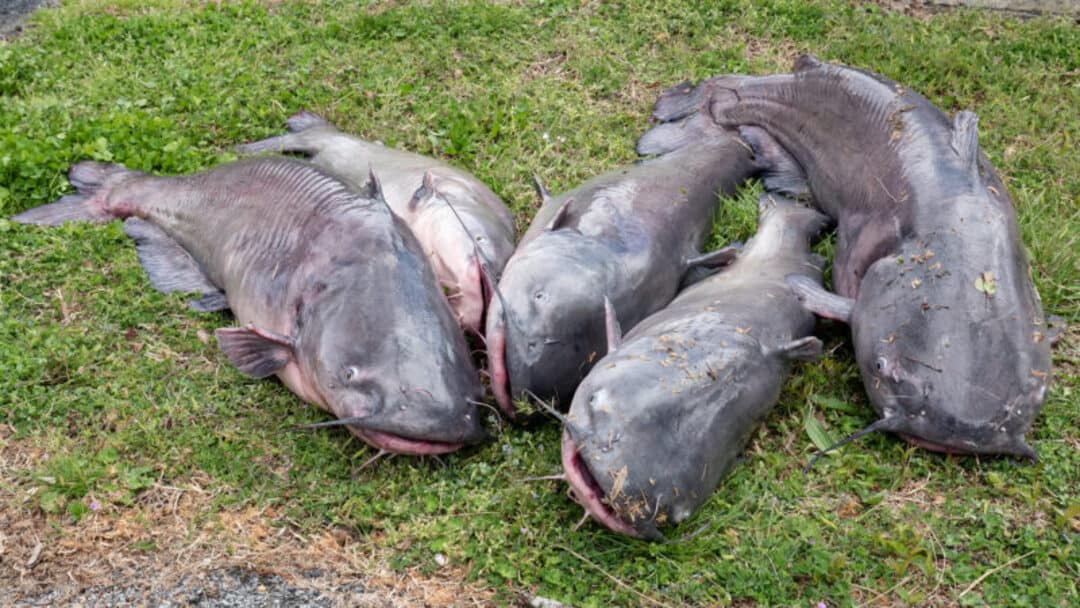
Blue catfish have become a difficult symbol in Chesapeake Bay country. They are impressive fish, powerful fighters, and a legitimate draw for anglers, but they are also invasive predators in Maryland waters. That creates tension. The same fish that can anchor a tournament weigh-in can also raise concern for native species, commercial fisheries, and long-term food-web stability.
That is why tournaments built around removal are so interesting. They do not treat angling as a side activity or a loose public-awareness campaign. They place anglers inside the management conversation. A boat, a rod, a cooler, and a weigh-in become part of a broader strategy.
The state’s 2026 emphasis on Invasive Blue Catfish Tournaments shows how the idea has matured. These events are not simply about who catches the largest fish. They are about harvest, incentives, public attention, and the practical reality that removal at scale requires people who know how to catch fish.
I see this as a meaningful shift in the way fishing tournaments are framed. The old tournament question was simple: who brought the biggest fish to the scales? The new question is more layered: can a competitive event also create measurable value for a stressed ecosystem?
The Conservation Logic Behind The Tournament Model
The logic is straightforward. If an invasive fish is abundant, hard to control, and attractive to anglers, then tournament participation can help convert fishing pressure into targeted harvest. That does not solve the entire problem, but it can create a visible and repeatable removal pathway.
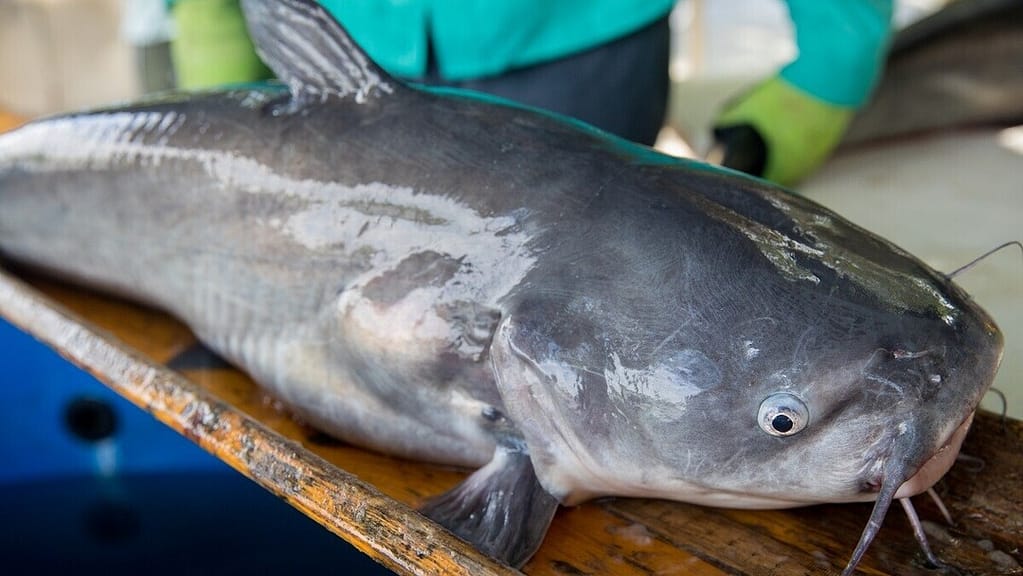
Blue catfish are especially suited to this kind of effort because they have strong angler appeal. They grow large, fight hard, and attract both serious catfish anglers and casual participants. That makes them different from many invasive species that lack public interest. Here, the fish itself creates momentum.
The tournament format adds structure. It gives anglers a date, rules, categories, weigh-in expectations, and sometimes an incentive system. It creates an event rather than a vague request. That matters because people respond to clarity. A clear contest with a clear conservation purpose is easier to understand than a broad message asking people to “help the bay.”
There is also a behavioral advantage. Many anglers already want a reason to fish. A tournament gives them one. A bounty-style reward or prize structure can turn that desire into focused participation. That is where competition and conservation begin to overlap.
The real challenge is scale. Blue catfish are not removed by one strong weekend. They require sustained attention, commercial harvest, recreational harvest, public education, and market demand. Tournaments are not the whole answer, but they create visibility and invite a wider audience into the work.
Maryland’s 2026 Push Changes The Story
Maryland’s 2026 tournament messaging is notable because it treats anglers as active participants rather than passive observers. That is a smart framing. People are more likely to care about a conservation problem when they can do something concrete, and fishing is one of the most direct forms of action available on the water.
The incentive side matters too. Some programs are offering rewards for harvested invasive fish, including blue catfish, in specific waters. That approach gives the effort a practical incentive beyond bragging rights. Money is not the only motivator, but it can help pull more participation from anglers who might otherwise see the issue as someone else’s responsibility.
This is where tournament culture becomes useful. Catfish anglers understand effort. They know scouting, bait selection, water temperature, current, tide, structure, and timing. When that skill is pointed toward invasive fish removal, it becomes a management asset.
The story is also timely because food systems are part of the conversation. Blue catfish are edible, and building demand for harvested fish can reduce waste while supporting removal. The broader federal and Chesapeake management conversation around blue catfish management reflects that larger challenge: catching more fish is useful, but markets, processing, education, and distribution determine whether removal becomes durable.
A tournament can introduce people to that chain. They see the fish, understand the problem, and may begin to view harvested blue catfish as food rather than only as a weigh-in number. That cultural change is not automatic, but tournaments can accelerate it.
What Anglers Gain From Conservation Tournaments
For anglers, conservation tournaments create a different kind of satisfaction. The competitive piece is still there. Someone still wants to win. Someone still wants the big fish. Someone still wants the strong bag. But the event carries an extra layer of purpose.
That purpose can attract people who might not usually enter a tournament. Some anglers are intimidated by high-level competition, expensive boats, and elite teams. A removal-based tournament can feel more accessible because participation itself has value. Catching fish matters even if the angler does not finish near the top.
There is also a public-relations benefit for catfish anglers. Too often, the outside world treats fishing debates as conflict between recreation and conservation. Invasive blue catfish events complicate that stereotype in a useful way. They show anglers contributing labor, knowledge, and harvest toward a shared goal. That creates credibility.
The trade-off is that anglers must take the conservation mission seriously. A tournament with a removal purpose is not just a social event with a slogan. Fish handling, legal harvest, reporting, drop-off requirements, and species identification all matter. The more public the event becomes, the more accountability comes with it.
Good anglers already understand responsibility. They check regulations, respect boundaries, and learn the difference between native fish, regulated fish, and invasive targets. In this setting, that knowledge becomes even more important because a conservation tournament can only work if the public trusts the process.
The Practical Tournament Picture
A useful way to understand these events is to separate the competitive, conservation, and community roles. Each one matters, but they do not all work the same way.
| Tournament Element | What It Does | Why It Matters |
|---|---|---|
| Competitive Format | Gives anglers rules, goals, weigh-ins, and prizes | Turns removal into an organized event |
| Harvest Incentive | Rewards eligible invasive fish in defined programs | Encourages participation and repeat effort |
| Public Education | Explains why blue catfish removal matters | Builds awareness beyond regular anglers |
| Food Use | Promotes harvested fish as a usable resource | Reduces waste and supports market demand |
| Community Participation | Welcomes families, local anglers, and spectators | Makes conservation feel local and practical |
The table helps because these events can be misunderstood. A conservation tournament is not only a contest. It is also a public message, a removal tool, and a community gathering. The strongest version does all three without pretending that any single event can fix an entire ecosystem.
The Risk Of Overselling The Impact
The biggest mistake would be overselling tournaments as a complete solution. They are not. Blue catfish management is more complicated than a weekend calendar. It involves biology, harvest pressure, market development, commercial fishing, recreational behavior, regulatory coordination, and public appetite.
That complexity creates risk. If tournament organizers promise too much, the public may become cynical. If anglers believe a few events will solve the issue, the larger management challenge gets blurred. Conservation messaging should be confident, but it should also be honest.
A tournament can remove fish. It can educate people. It can create news coverage. It can put money or prizes behind participation. It can build market awareness. What it cannot do alone is eliminate an established invasive population from a large watershed.
That does not make the effort weak. It makes expectations important. The right benchmark is not perfection. The right benchmark is whether tournaments increase harvest, strengthen awareness, improve participation, and help normalize the use of blue catfish as a resource. That is practical progress.
The best conservation strategies often work through many smaller channels rather than one dramatic fix. Tournaments are one channel. Commercial harvest is another. Consumer demand is another. Regulation and agency coordination are another. When they reinforce each other, the combined impact becomes more meaningful.
Why Incentives Can Change Angler Behavior
Anglers respond to incentives, but not always in the same way. Some are motivated by prize money. Some want recognition. Some want a family event. Some want a freezer full of fillets. Some care deeply about the Chesapeake Bay and want their fishing to support a larger cause. The strongest programs understand that motivation is mixed.
A reward for harvested fish can make participation easier to justify. Fuel, bait, ice, gear, and time all carry cost. Even a modest incentive can help turn a conservation idea into a weekend decision.
There is also a psychological effect. When a program pays for eligible invasive fish, it sends a public message that removal has value. That message can shape behavior beyond the payment itself. It tells anglers that their effort is seen.
But incentives need guardrails. Clear rules protect fairness. Drop-off systems need to be practical. Species identification needs to be reliable. Payment terms need to be transparent. If the process feels confusing or inconsistent, participation can fade.
The best incentive programs feel easy to understand and hard to abuse. That requires governance. In a conservation tournament setting, governance is not bureaucracy for its own sake. It is what protects the event’s legitimacy.
The Food Angle May Be The Most Underused Opportunity
Blue catfish create a strange public-perception problem. Many people understand the word invasive as a warning, but they may not connect that warning with dinner. In this case, the fish can be harvested and eaten when handled properly and sourced from legal waters. That matters because demand can support removal.
The food angle gives the public a second way to participate. Not everyone fishes. Not everyone enters tournaments. But people can ask for blue catfish at seafood counters, restaurants, community events, and local markets when available. That creates another form of leverage.
This is where messaging has to be careful. A conservation story should not make the fish sound undesirable. If people believe invasive means unsafe or low quality, market demand suffers. The more accurate message is that blue catfish are a problematic invasive species in the Chesapeake system and also a usable food resource.
That distinction is powerful. It allows anglers, processors, cooks, restaurants, and consumers to participate in the same management idea from different angles. A tournament may catch public attention, but the plate may keep the story alive.
For anglers outside Maryland, this should sound familiar. Catfish culture already values practical harvest, local knowledge, and seasonal bite windows. Regional fishing awareness, such as useful Midwest catfish context, helps show how catfish behavior, angler participation, and local conditions shape decisions differently from one water system to another.
What Tournament Organizers Need To Get Right
If invasive blue catfish tournaments are going to keep growing, organizers need to protect the basics. That starts with clear rules. Anglers should understand eligible species, legal waters, harvest requirements, weigh-in procedures, drop-off instructions, prize categories, and reporting expectations before they launch.
Communication matters because confusion destroys trust. A well-run conservation tournament should feel organized from registration through final results. That includes safety expectations, fish handling rules, timing, boundaries, and any incentive details.
Organizers also need to make the conservation purpose visible without turning the event into a lecture. Anglers appreciate directness. Tell them what fish to target, why removal matters, how the harvest will be used, and what role the event plays in the wider effort. That creates context without slowing down the experience.
Partnerships can help. State agencies, nonprofits, scientists, local businesses, seafood processors, and angling groups all bring different strengths. A tournament with good partners can handle education, harvest logistics, prize support, and public messaging more effectively than one trying to do everything alone.
The strongest events will treat anglers respectfully. These are not unpaid workers being used for a headline. They are skilled participants bringing time, knowledge, boats, tackle, and local water experience. Respecting that contribution builds loyalty.
What Anglers Should Think About Before Entering
For anglers, the first question is simple: do the rules match the mission? If the event is built around invasive fish removal, participants should know exactly what happens to the fish after harvest. Will they be donated, processed, studied, eaten, or otherwise used? That answer affects how the event feels.
The second question is practical. Where are blue catfish most likely to be caught during the tournament window? That means thinking about current, water temperature, bait movement, tides where relevant, channels, ledges, holes, and feeding flats. Conservation purpose does not replace fishing skill. It demands precision.
The third question is ethical. Anglers should be confident in species identification and legal requirements. Mistakes weaken the event. Responsible harvest protects both the fishery and the public reputation of the tournament.
The fourth question is personal. Is the goal to win, contribute, learn, bring family, or support a cause? There is no single right answer. A successful conservation tournament can serve several motivations at once, but anglers who understand their own reason for entering will enjoy the event more.
I like this model because it gives both serious and casual anglers a meaningful lane. The veteran catfish team can chase a heavy bag. A family can participate in a community event. A new angler can learn why blue catfish are part of a larger Chesapeake conversation. That range is a real strength.
Why This Story Has National Relevance
Maryland’s blue catfish tournament model is local in geography but national in meaning. Many regions are wrestling with invasive species, changing fisheries, public engagement, and the challenge of turning awareness into action. A tournament is not the answer everywhere, but the structure is worth studying.
The bigger lesson is that anglers can be conservation partners when programs respect their knowledge and give them a practical role. That is not sentimental. It is operational. People who spend time on the water often notice changes early. They understand patterns. They can harvest effectively. They can spread messages through communities that formal campaigns may not reach.
There is also a media advantage. A tournament gives reporters, agencies, and communities something concrete to discuss. Dates, winners, fish totals, prizes, meals, and photos create a story people can follow. That storytelling power can help invasive species management reach beyond agency documents and policy meetings.
The national relevance also comes from the trade-off. Turning an invasive species into a target can create economic activity and public engagement, but it must avoid accidentally encouraging protection of the very population managers want reduced. That is the delicate balance at the heart of blue catfish management.
The Future Of Conservation-Driven Catfish Events
The next phase will depend on execution. If these tournaments are well organized, transparent, and useful, they could become a durable part of Maryland’s invasive fish strategy. If they become confusing, overhyped, or disconnected from real management goals, they may lose energy.
I expect the strongest events to blend competition with education and food use. They will celebrate anglers without pretending that a weigh-in solves everything. They will make rules simple, incentives clear, and participation rewarding. They will also show the public why removal is not just a fishing preference but a resource-management need.
The opportunity is substantial. Invasive Blue Catfish Tournaments can turn a difficult ecological problem into a visible public action point. They can give anglers a reason to participate, families a reason to learn, communities a reason to gather, and managers another tool for sustained harvest.
The story matters now because conservation needs more than concern; it needs participation. If Maryland’s tournament model keeps building trust, discipline, and practical results, Invasive Blue Catfish Tournaments may become one of the most useful examples of how competitive fishing can serve both the angler and the ecosystem with lasting resilience.


