
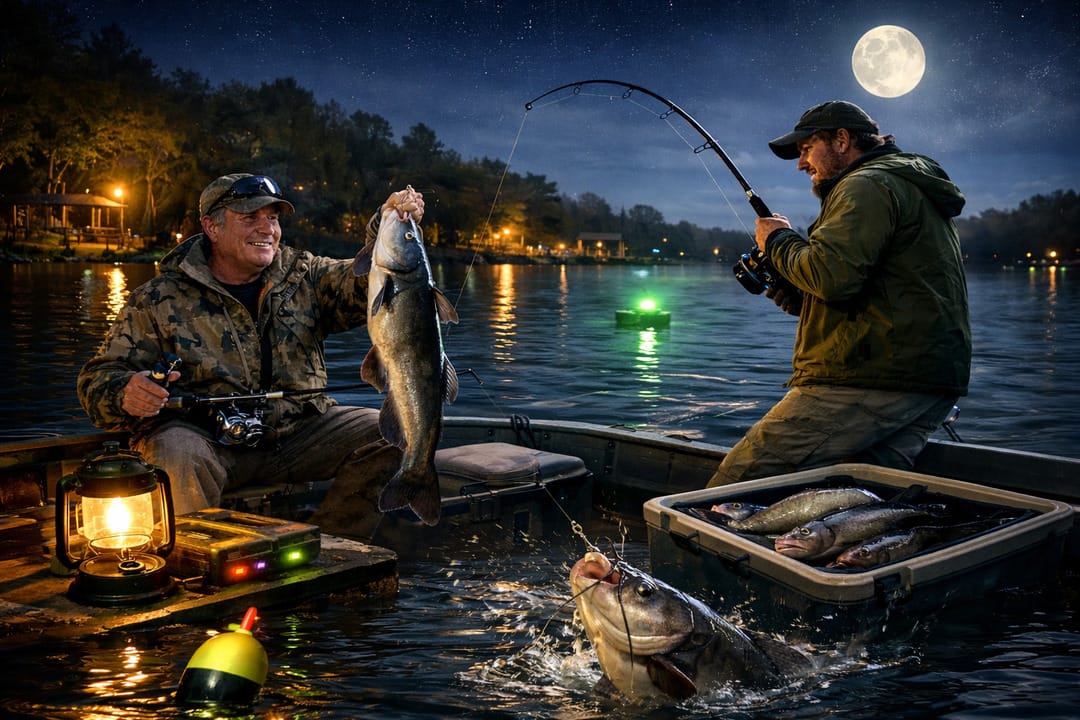

Across Florida’s freshwater lakes and reservoirs, anglers are increasingly shifting their fishing trips into the evening hours. As early spring conditions settle across the state, night fishing for catfish has become one of the most productive and popular techniques among freshwater anglers.
Catfish are naturally active during low-light conditions, and many experienced fishermen believe that nighttime offers the best opportunity to land larger fish. In Florida, where daytime temperatures can rise quickly, fishing after sunset also provides a more comfortable experience for anglers.
According to guidance from the Florida Fish and Wildlife Conservation Commission, catfish are among the most widely distributed freshwater species in the state and can be caught in lakes, rivers, canals, and ponds throughout the year. However, seasonal patterns during early spring often increase nighttime feeding behavior.
As a result, anglers across Florida are reporting improved catches during evening and overnight fishing sessions.
Why Catfish Are More Active at Night
The popularity of night fishing for catfish is rooted in the biology and behavior of the fish themselves. Catfish rely heavily on sensory systems that allow them to detect scent, vibration, and movement in the water.
Unlike species that depend on clear vision to hunt prey, catfish possess highly sensitive barbels often called “whiskers” that help them locate food in dark or murky environments. These sensory organs allow them to navigate and feed effectively even when visibility is extremely limited.
During daylight hours, catfish often remain in deeper holes, shaded structures, or submerged cover where they conserve energy. Once the sun sets and temperatures cool, they begin moving into shallower areas in search of food.
Because of this behavioral pattern, nighttime frequently produces more aggressive feeding activity than daytime fishing periods.
Florida Lakes Becoming Nighttime Hotspots
Several freshwater lakes across Florida have recently become popular destinations for night catfishing. Larger lakes provide extensive habitat where catfish can grow to impressive sizes and remain active throughout the year.
Anglers targeting catfish often focus on areas such as:
- deeper lake channels
- drop-offs near shorelines
- submerged logs or vegetation
- slow-moving sections near river inflows
While catfish can be found in many bodies of water across the state, some lakes are particularly known for consistent catfish activity. The Lake Okeechobee, one of the largest freshwater lakes in the United States, supports healthy populations of catfish along with other freshwater species.
Similarly, the St. Johns River provides extensive habitat where anglers frequently report steady catches after sunset.
These environments create ideal feeding grounds for catfish during nighttime hours.
Techniques That Work Best After Dark
Night fishing requires a slightly different approach than daytime fishing. Because visibility is limited, anglers often rely on scent-based bait and bottom-fishing techniques.
Catfish typically feed along the bottom of lakes and rivers, searching for insects, small fish, and organic material. As a result, bottom rigs that allow bait to remain near the lakebed are commonly used.
Many anglers also prefer using baits that release strong scents into the water, allowing catfish to locate food more easily. Popular bait choices include natural options such as cut bait or worms, which disperse scent quickly.
Patience also becomes an important factor during night fishing. Catfish may take longer to locate bait in large bodies of water, but when they do strike, they often deliver powerful runs that challenge even experienced anglers.
Safety and Preparation for Night Fishing
While night fishing can be highly productive, it also requires additional preparation to ensure safety and success.
Anglers fishing after dark typically bring specialized equipment such as headlamps, lanterns, and reflective markers to maintain visibility around their fishing area. Boats used for night time fishing must also follow navigation safety regulations, including the use of proper lighting.
Many anglers prefer fishing from stable shorelines, docks, or designated fishing areas rather than navigating unfamiliar waters in complete darkness.
Weather conditions also play an important role. Calm nights with stable temperatures often produce the most consistent fishing results, while strong winds or sudden storms can disrupt feeding activity.
Proper planning allows anglers to enjoy the benefits of night fishing while minimizing potential risks of competitive Florida freshwater fishing.
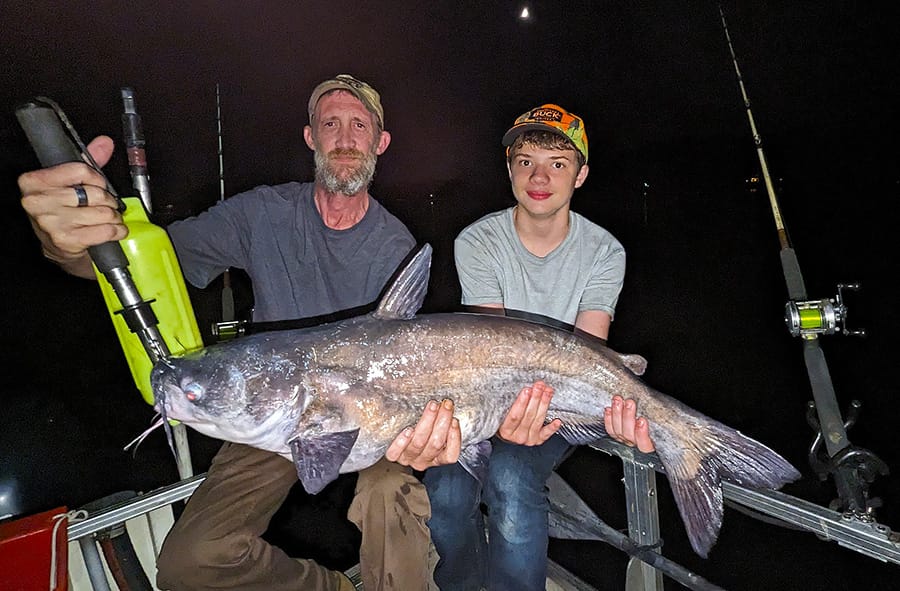
Why Catfish Remain a Favorite Target
Catfish have long been one of the most popular freshwater species in Florida. Their ability to thrive in diverse environments makes them accessible to anglers across the state, from rural lakes to urban canals.
Another factor contributing to their popularity is their fighting strength. Even medium-sized catfish can put up a powerful struggle, making them exciting catches for both beginners and experienced anglers.
Additionally, catfish are often considered one of the most reliable species to catch. While other fish may become inactive during seasonal transitions, catfish typically continue feeding throughout much of the year.
For anglers looking to enjoy productive fishing trips during the early spring season, targeting catfish at night can offer consistent action.
A Seasonal Shift in Florida Fishing
As spring continues to develop across Florida, anglers are beginning to adjust their strategies to match seasonal changes in fish behavior. The increasing popularity of nighttime catfishing reflects this shift.
Longer evenings, warming water temperatures, and increased fish activity all contribute to favorable conditions for anglers willing to stay on the water after sunset.
For many fishing enthusiasts, the peaceful atmosphere of nighttime fishing also adds to the appeal. With fewer boats on the water and cooler temperatures, night fishing provides a more relaxed experience compared to busy daytime conditions.
Outlook for the Rest of the Season
Looking ahead, fishing experts expect nighttime catfish activity to remain strong across Florida lakes as spring progresses. Warmer temperatures often lead to increased feeding behavior, especially as catfish prepare for spawning periods later in the season.
Anglers who continue targeting catfish during evening hours may find some of the best opportunities of the year to catch larger fish.
Whether fishing from the shoreline or drifting quietly across a lake, nighttime trips are quickly becoming one of the most rewarding ways to experience Florida’s freshwater fishing.
As more anglers discover the benefits of fishing after dark, night catfishing may continue to grow as one of the state’s most popular freshwater traditions.


