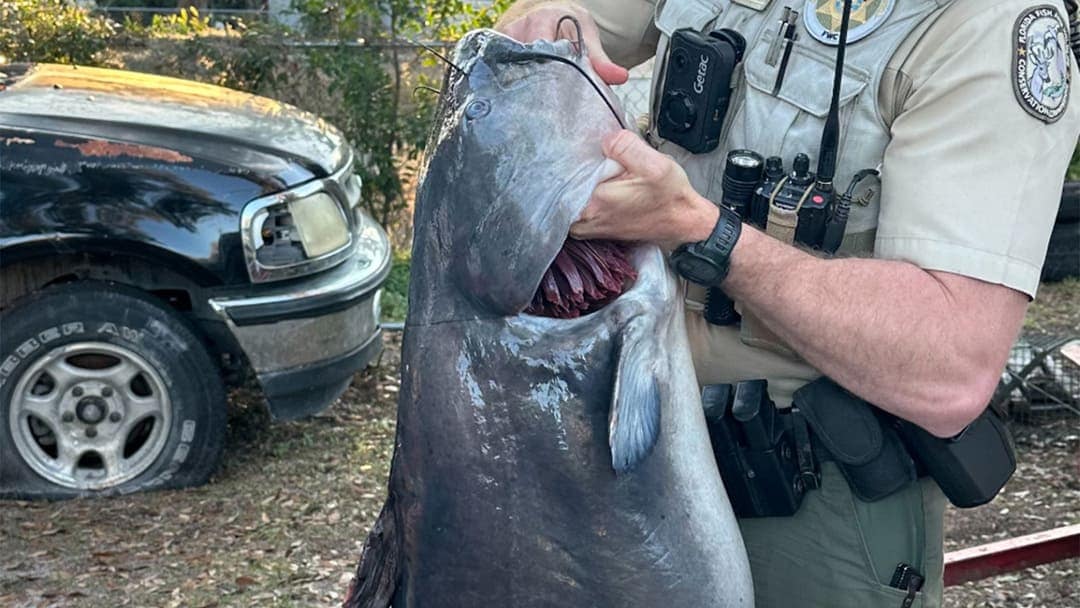

The Florida blue catfish record did more than put one giant fish in the books. It gave catfish anglers a fresh reason to look harder at the Suwannee River, especially as summer conditions begin to shape where big fish feed, hold, and become vulnerable.
A 73.6-pound blue catfish from the Suwannee is the kind of catch that can change local fishing behavior fast. For anglers already paying attention to low water and big blue cats, the record adds a sharper question: is the Suwannee quietly becoming one of Florida’s most interesting trophy-cat targets?
The Florida Blue Catfish Record Is Bigger Than One Fish
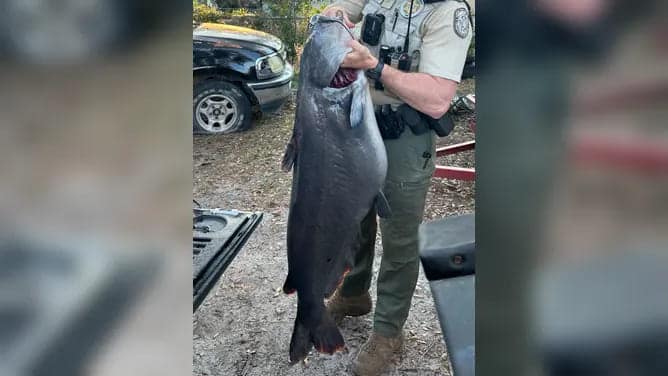
Record fish create instant attention, but the deeper story is what they reveal about a fishery. A certified 73.6-pound blue catfish tells anglers that the Suwannee is not just holding respectable fish. It is capable of producing the kind of blue cat that makes people rethink their maps, their bait, their launch plans, and their timing.
That is why this catch matters now. Florida catfishing often gets overshadowed by bass, saltwater species, and destination-style flats fishing. But a record blue cat has a way of cutting through that noise. It gives serious anglers a concrete reason to treat the Suwannee as more than a casual river trip.
The official Florida freshwater state records list places Justin Hodge’s Suwannee River blue catfish at 73.6 pounds, with the catch tied to Dixie County. For readers, the key point is not just the weight. It is the location. A record attached to a named river can shift fishing pressure and attention almost overnight.
That shift can be exciting, but it also demands perspective. One record does not mean every bend in the river is suddenly loaded with giants. It means the system has proven trophy potential, and smart anglers will now start looking for the patterns behind it.
Why The Suwannee River Suddenly Feels Like A Trophy-Cat Destination
The Suwannee has always carried a strong Florida identity. It is a river with character, current, bends, feeder creeks, shallow stretches, deeper cuts, and enough variety to frustrate lazy fishing. That makes the record more interesting, because blue catfish success on a river like this is rarely random.
Big blue cats need food, cover, depth changes, and favorable conditions. They can use deeper holes during tougher periods, move with current when food is being carried, and feed heavily when bait is positioned in predictable zones. Anglers who understand that rhythm can approach the river with more purpose than simply throwing bait into the nearest deep water.
The record also changes the mental map. A river that once felt like a local option can quickly become a destination when anglers believe a true heavyweight is possible. That is the power of record-fish psychology. People do not chase averages. They chase proof that the ceiling is higher than they thought.
For local communities, bait shops, guides, tournament organizers, and weekend anglers, that attention can matter. A record catch gives the river a story, and fishing stories move people. They create trips, conversations, social media posts, and new expectations.
Summer Could Turn The Record Into A Bigger Story
The best follow-up to a record fish is not hype. It is whether the bite continues. That is where the Suwannee becomes especially compelling heading into summer.
FWC’s Suwannee and Santa Fe Rivers forecast points to large blue catfish activity from the river and suggests that big catfish should continue biting through summer. For anglers, that turns the record from a one-day headline into a practical fishing question: where should the effort go next?
Summer catfishing rewards patience, timing, and location discipline. Heat can push fish into more comfortable water, but it can also concentrate feeding windows. Evening, night, early morning, current changes, and scent-driven presentations can all become more important when fish are not roaming loosely all day.
That does not mean every summer trip will produce a monster. It means anglers should stop treating the record as a fluke and start treating it as a clue. The river has already shown what it can hold. The next step is understanding when those larger fish become catchable.
What Anglers Should Change Before They Chase The Hype
A record fish can send people rushing to the water with oversized hooks and unrealistic expectations. That is the wrong lesson. Trophy catfishing is not just about heavier gear. It is about fishing cleaner, slower, and more intentionally.
The first adjustment is bait quality. Fresh cut bait usually gives trophy-minded anglers a better chance than old, soft, half-frozen bait that has lost its natural profile. The second adjustment is placement. Big blue cats often relate to depth changes, current seams, holes, outside bends, and areas where scent can travel naturally.
The third adjustment is patience. Smaller catfish may announce themselves quickly, but larger fish often demand longer sits, better anchoring, and more confidence in the spot. Constantly moving can turn a promising setup into a series of rushed guesses.
Here is a practical way to separate casual catfishing from a more serious Suwannee River approach:
| Approach | Best Fit | Main Advantage | Biggest Risk |
|---|---|---|---|
| Casual bank fishing | Evening trips near accessible banks | Simple, affordable, easy to repeat | Limited reach if fish hold deeper |
| Bridge-area fishing | Current breaks and structure | Good food movement and fish traffic | Can draw more angler pressure |
| Deep-hole anchoring | Trophy-focused blue cat effort | Keeps bait near likely holding water | Requires patience and boat control |
| Creek-mouth setups | Transition zones and moving water | Natural feeding funnels | Timing matters more |
| Night fishing | Summer feeding windows | Cooler conditions and shallow movement | Harder navigation and visibility |
The takeaway is simple: the best anglers will not chase the record blindly. They will use it to sharpen how they read the river.
The Pressure Point Nobody Should Ignore
A new record brings attention, and attention can be both useful and messy. More anglers can mean more local energy, more fishing culture, and more awareness around catfish opportunities. It can also mean crowding at easy access points, more pressure on obvious spots, and more unrealistic expectations from people who think one record guarantees easy giants.
That is why the next phase matters. If the Suwannee produces more large blue catfish through summer, the record becomes part of a broader trend. If it does not, the story still matters, but it becomes a reminder that trophy fish are rare for a reason.
Anglers should also keep the river itself in mind. Conditions change. Water levels, current, temperature, bait movement, and seasonal patterns can all shift the bite. The most productive fishermen will treat the record as a signal, not a shortcut.
This is where local knowledge becomes valuable. The Suwannee is not a simple pond with predictable edges. It is a living river, and big-river catfishing rewards anglers who can adapt. The fish may be there, but the river decides how easy they are to reach.
The Next Clues Will Come From Repeat Catches
One giant blue catfish can start a conversation. Repeat catches decide whether that conversation becomes a movement.
The biggest signal to monitor now is whether more large blue cats come from the Suwannee and nearby connected waters during the summer bite. Not every fish needs to challenge the record. A run of strong, above-average catches would still show that the system is producing quality fish at a meaningful level.
The second signal is angler behavior. If more serious catfish anglers begin targeting the Suwannee with heavier gear, better bait, and more deliberate river strategy, the catch reports may improve simply because the effort improves. Sometimes a record does not create fish. It creates attention from anglers capable of finding fish that were already there.
The third signal is how the fishing community talks about the river. If the Suwannee becomes part of Florida’s trophy-cat conversation, the record will have done something more important than break a mark. It will have changed the river’s reputation.
That is the real impact of the Florida blue catfish record. It gives anglers a new reason to study the Suwannee, respect its summer patterns, and take its trophy potential seriously. One 73.6-pound fish cannot define an entire river, but it can force everyone to look again and right now, that second look feels earned.


